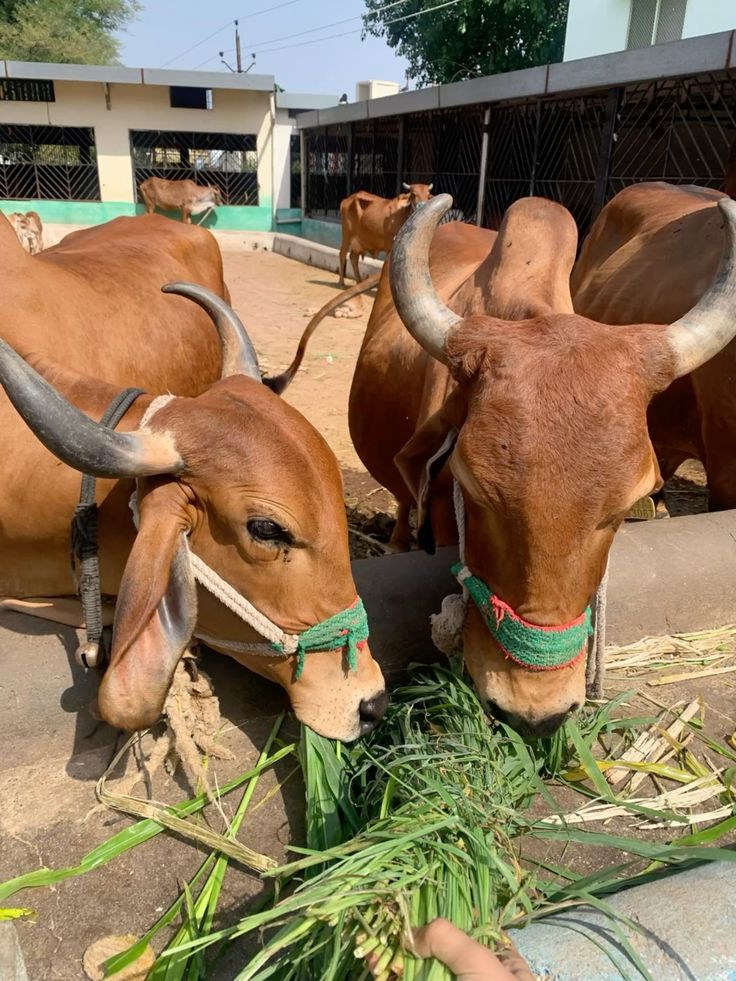
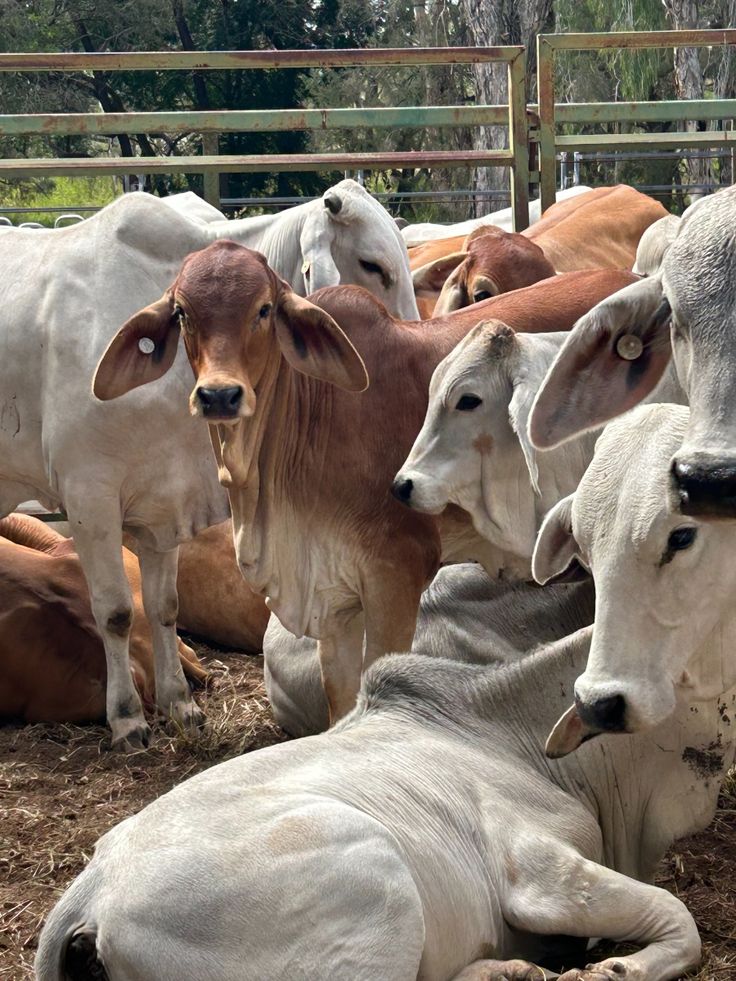
Girolando — a crossbred dairy breed developed in Brazil specifically for tropical conditions — is being introduced in Botswana as part of a national strategy to build commercial-scale milk production using genetics suited to the country's climate, rather than importing temperate breeds poorly matched to local conditions. Industry observers note that while improved genetics can meaningfully lift a herd's productivity, the longer-term payoff depends just as heavily on parallel investment in animal feed, veterinary services, and the broader livestock infrastructure needed to actually capture the genetic potential these animals carry.
Why West Africa Is Watching Closely
The stakes behind this kind of genetics investment are clearest in West Africa, where the dairy import bill has become a serious economic drain. The region imported 457,157 tonnes of dairy products in 2024 alone, at a cost of nearly $869 million, according to Food and Agriculture Organization data — a dependence that has made expanding domestic dairy production a priority across multiple West African governments, even as most of the current genetics investment activity has centred on Southern and East African markets first.
A Continent-Wide Investment Wave
Botswana's cattle import is landing within a much larger pattern of capital and technology flowing into African livestock and poultry production. Africa's combined dairy and egg market is projected to grow at roughly 10 percent annually between 2024 and 2029, according to Statista forecasts — a pace that outstrips most other food categories on the continent — while poultry demand continues climbing steadily as populations grow and diets diversify toward more animal protein.
Sponsored
That demand curve is drawing in international genetics companies, feed producers, animal health specialists, and equipment manufacturers, many of them expanding into African markets through direct partnerships with local producers who understand ground-level market conditions. Cold chain and processing infrastructure — long an underdeveloped weak point across the sector — is increasingly attracting the kind of capital and technology transfer needed to convert rising consumer demand into consistently available supply, rather than demand that periodically outpaces what domestic producers can deliver.
VIV Africa 2026, the continent's largest livestock and feed industry gathering, is expected to draw roughly 2,000 visitors to Kigali, Rwanda this year, travelling from Kenya, Nigeria, Tanzania, Ethiopia, South Africa, Cameroon, Sudan, and beyond — itself a signal of how much international commercial interest is converging on Africa's livestock sector at once.
The Productivity Case for Better Genetics
The broader argument for genetics investment mirrors trends already playing out elsewhere on the continent. In Kenya, researchers at the Kenya Agriculture and Livestock Research Organization have been working to lift average dairy yields from around 2 gallons per cow per day — with the strongest regional herds reaching closer to 3 — toward a longer-term target closer to 8 gallons, comparable to North American dairy operations, by pairing improved genetics with better nutrition rather than treating the two as separate problems. Botswana's Girolando import follows a similar underlying logic: genetics alone rarely transforms a livestock sector, but genetics paired with the right feed, veterinary support, and market infrastructure can meaningfully shift what a national herd is capable of producing.
For Botswana specifically, the remaining 800 cattle expected under the Botswana Development Corporation's programme will be a real test of whether this first shipment's genetic potential translates into a scalable commercial dairy sector — one capable, over time, of reducing the kind of import dependence still weighing heavily on dairy markets elsewhere in the region.