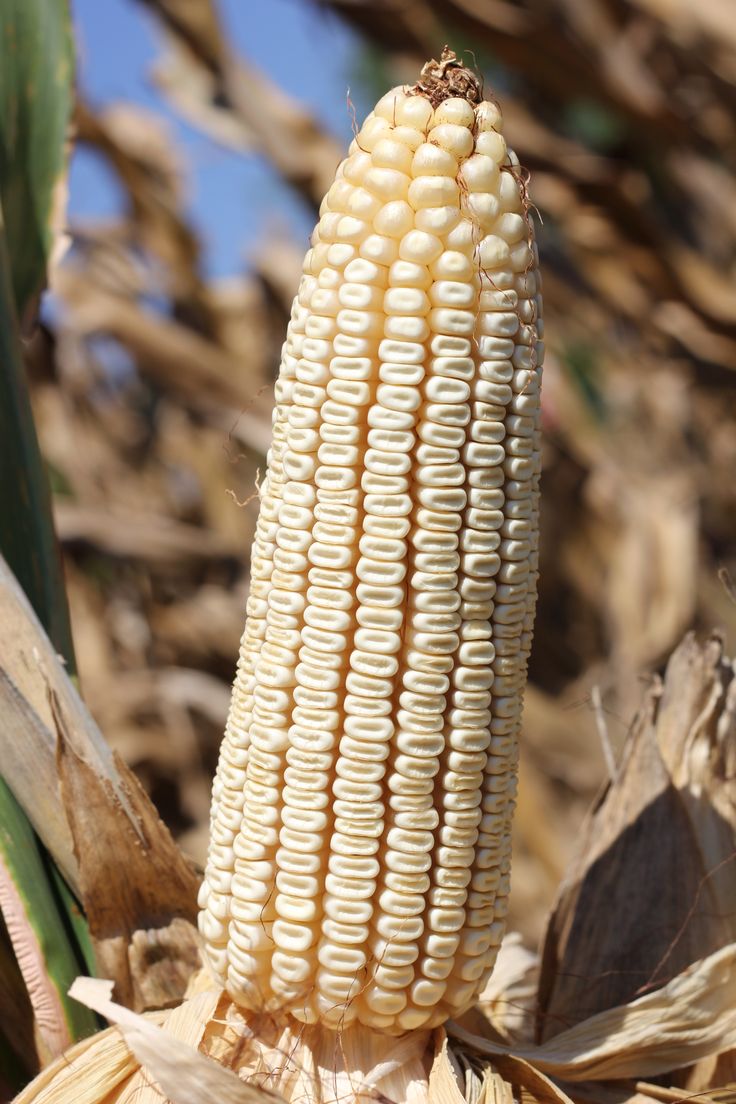
Two neighbouring countries, two very different maize stories. In Zambia, this week brought good news for farmers: a record harvest and a higher guaranteed price. In Malawi, this week brought confusion, anger and yet another unmet promise on the price of the nation's most important staple. For a region where maize is not just a crop but the basis of daily survival for tens of millions of people, the contrast could hardly be sharper.
Zambia: A Record Harvest, And Farmers Get A Raise Zambia's Food Reserve Agency (FRA) this week announced a maize buying price of K347 per 50-kilogramme bag for the 2026 crop marketing season, up from K340 the previous season. FRA Board Chairperson Suresh Desai announced the price during a media briefing in Lusaka, saying it was arrived at after consultations with farmer organisations, grain traders, consumer associations and financial institutions. The price increase comes on the back of an exceptional season. Zambia has recorded a maize harvest of roughly 5.1 million metric tonnes in 2026, its highest on record and a sharp jump from the 3.6 million tonnes harvested in 2025. Desai said the country is also carrying over more than 1.4 million metric tonnes of stock from the previous season, and expects Zambia to remain one of the few countries in Southern Africa that will not need to import maize this year, even with concerns about a possible El Niño weather pattern later in the season. The FRA plans to buy at least 500,000 metric tonnes of maize and 10,000 metric tonnes of paddy rice through 1,749 satellite buying depots opening across the country from July 29. Payments to farmers are expected within three days of delivery, made through registered bank accounts or mobile money wallets. Farmer groups have welcomed the news. The National Association for Smallholder Farmers (NASFA), represented by executive director Frank Kayula, described the price as fair and encouraging, while also calling on government to market Zambia's maize internationally as non-GMO to capture a premium price. The Agriculture Technical Professional Staff Union of Zambia (ATPSUZ), through its president Oniver Chingobe, also welcomed the floor price, though he cautioned that its real impact will depend on whether farmers are paid on time once they deliver their maize.
Sponsored
Malawi: Promises Of Cheaper Maize, But A Very Different Reality Across the border, Malawi's maize market has told a far less reassuring story in recent months. The Agricultural Development and Marketing Corporation (ADMARC), the state produce trader, has struggled with underfunding, inconsistent pricing and public frustration. Government had approved a maize buying price of K900 per kilogramme for smallholder farmers when the 2026/2027 season buying exercise opened on June 1, according to ADMARC Chief Executive Officer Ben Botolo. But delays in releasing promised government funding, reportedly as little as a fraction of the roughly K144 billion ADMARC says it needs to operate the season effectively, have limited how much maize the institution can actually buy from farmers, leaving many exposed to vendors offering far lower prices. On the consumer side, maize selling prices at ADMARC markets have swung sharply and, at times, contradicted government's own public statements. Malawi's Finance Minister had earlier projected that maize prices could fall below K20,000 per 50-kilogramme bag, citing the Farm Inputs Subsidy Programme, favourable rainfall and imports as reasons for optimism. Yet ADMARC itself has been recorded selling maize at prices as high as K65,000 per 50-kilogramme bag at some markets, higher than many private vendors were charging at the same time, a gap that has fuelled public anger and accusations that the institution is behaving like a profit-seeking trader rather than a stabilising, socially minded one. Grain Traders Association of Malawi president Grace Mijiga Mhango has pointed to insufficient domestic maize supply as a core driver of the volatility, noting that traders have leaned on imports from Mozambique and Tanzania to fill gaps, though Mozambican stocks have thinned and Tanzanian maize has become more expensive amid currency fluctuations. Because maize accounts for well over half of Malawi's consumer price index basket, this volatility has an outsized effect on overall inflation and household food security.
Why The Two Stories Matter Beyond Their Borders The contrast between Zambia's record harvest and rising, predictable farmer price on one hand, and Malawi's underfunded buying agency and inconsistent consumer pricing on the other, is a reminder of how differently two neighbouring food systems can perform even in the same growing season and the same regional climate. It also raises a practical question already being discussed by officials in both countries: whether Zambia's surplus, and its stated ambition to brand and export its maize, could become part of the answer to Malawi's supply gap in the months ahead, a link Malawi's own Agriculture Minister has previously floated as a way to bring consumer maize prices down. For now, farmers in Zambia are preparing to deliver their record harvest to newly opened buying depots at a higher guaranteed price, while families in Malawi continue to watch maize prices swing unpredictably from one market to the next. Both situations remain fluid, and figures such as production tonnages, buying prices and funding allocations are subject to revision as the 2026/27 marketing season progresses in both countries.