
Over the past few years, technological advancement has become a major driving force behind agricultural development. Across Africa, many countries have continued investing in modern farming technologies to improve productivity, food security, and efficiency in the sector. Among the countries making notable progress in agricultural technology development is Zambia.
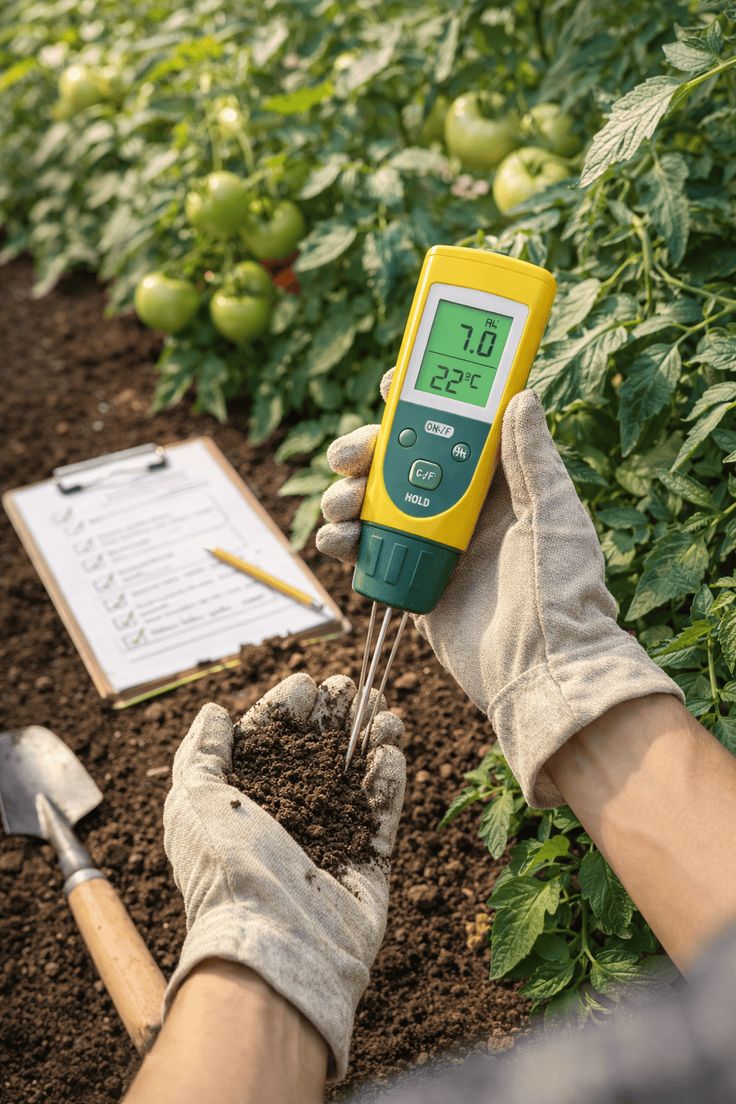
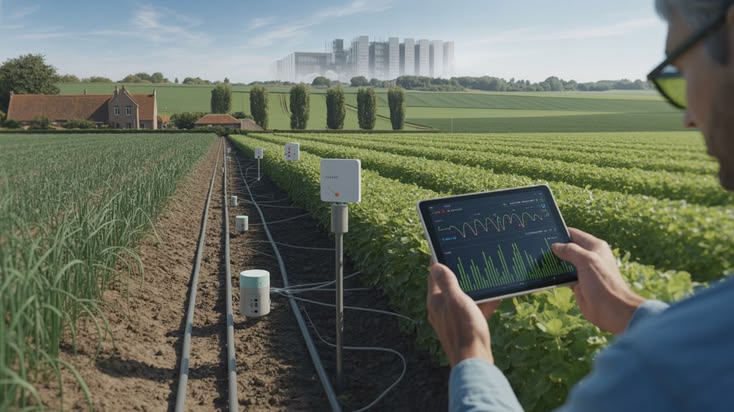
Zambia has taken significant strides in Technology development in the agricultural sector. One major step taken is the E-Agriculture and ICT Hardware that has seen the Ministry of Agriculture roll out communication towers across farming blocks such as Chongwe and the distribution of hundreds of tablets to extension officers to eliminate guesswork and transition to data-driven farming.
Smart Farming Center of Excellence is another move government has made. It has partnered with FAO in launching the Smart Farming Center of Excellence at the Natural Resources Development College (NRDC). The facility is said to serve as a technology transfer hub for modern horticulture techniques and green house automation.
The Ministry has also invested in Genomic Crop Breeding where it has collaborated with Consultative Group on International Agricultural Research (CGIAR) on advanced genotyping, Using DNA sequencing to fast-track the development of climate- resilient, drought-resistant, and disease tolerant seed varieties.
Zambia has also gone further as to invest in Private tech and Drone Deployment. Commercial and tech firms are expanding agricultural drone capacities in Zambia, utilizing sprayers that cover up to 6 hectares to optimize pesticide use and improve efficiency.
Agri-Tech startups is another initiative that Zambia's ministry of Agriculture has taken. This has seen local innovations utilizing Artificial Intelligence (AI) to connect to thousands of small holder farmers directly with Agricultural experts to diagnose pests, diseases, and market opportunities.
Sponsored
With such advancements in Zambia's Agricultural sector, the government has also taken other strategic initiatives and investments for the growth of Agriculture in the country. One strategic initiative taken is the FISP Modernization, the Farmer Input Support Program has fully migrated to an E-Voucher system across all 116 districts to ensure transparency and timely input delivery.
Under President Hakainde Hichilema's Administration, the country is pushing robustly toward a national target of 10 million metric tons of maize. An effort that is being supported by the Ministry of Technology and Science which aligns digital infrastructure and mobile access with national yield and climate-resilience goals.
Crop monitoring is also a significant stride that has been taken. With the support of various partners, Zambia has launched a downscaled Crop Monitor to track vegetation, temperature, and drought stress.
In conclusion, Zambia’s agricultural sector is undergoing a clear transformation driven by technology, innovation, and strategic partnerships. From e-agriculture systems and smart farming centers to genomic research, drone technology, and AI-powered platforms, these advancements are steadily reshaping how farming is practiced across the country.
These developments not only improve efficiency and productivity but also strengthen transparency, resilience, and access to vital agricultural services for smallholder farmers. With continued investment from government, private sector players, and international partners, Zambia is positioning itself as a growing leader in smart and climate-resilient agriculture in the region.
However, the success of these innovations will depend on sustained investment in rural connectivity, farmer training, and affordable access to technology. If effectively supported, these initiatives have the potential to significantly boost food security and contribute to Zambia’s long-term vision of a modern, technology-driven agricultural economy.