Agriculture across Africa is entering a new era in which decisions are increasingly guided by data rather than observation alone. For generations, farmers have relied on experience, seasonal patterns and visual crop assessments to make production decisions. Today, Artificial Intelligence (AI) is adding a new layer of precision by analysing soil conditions, weather patterns, crop health and market information in real time. Rather than replacing traditional farming knowledge, AI enhances it by helping farmers make more informed and timely decisions.
AI in agriculture is best understood as a decision-support system rather than a single technology. It brings together machine learning models, satellite and drone imagery, weather information, soil data, historical production records and farmer-generated inputs. By processing this information, AI-powered platforms can recommend optimal planting dates, fertilizer application schedules, irrigation timing and pest management strategies. The result is a shift from reactive farming practices to more predictive and proactive production systems.
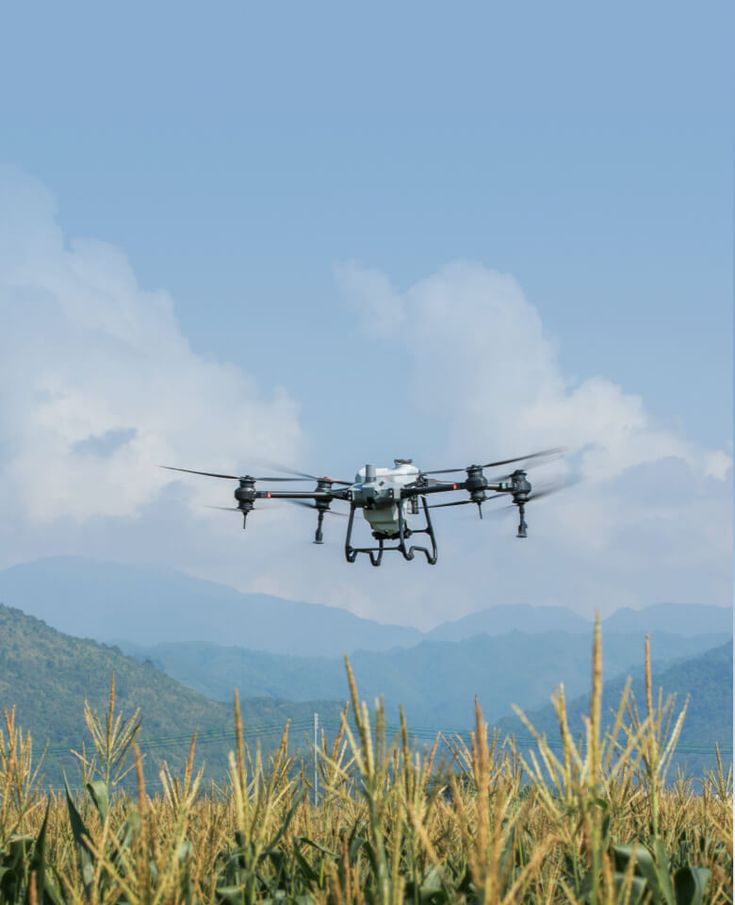
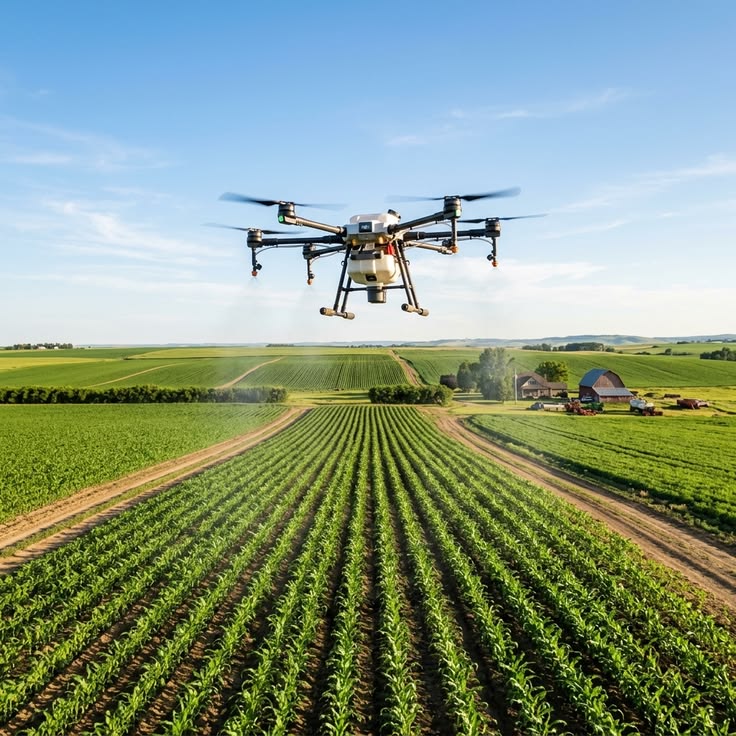
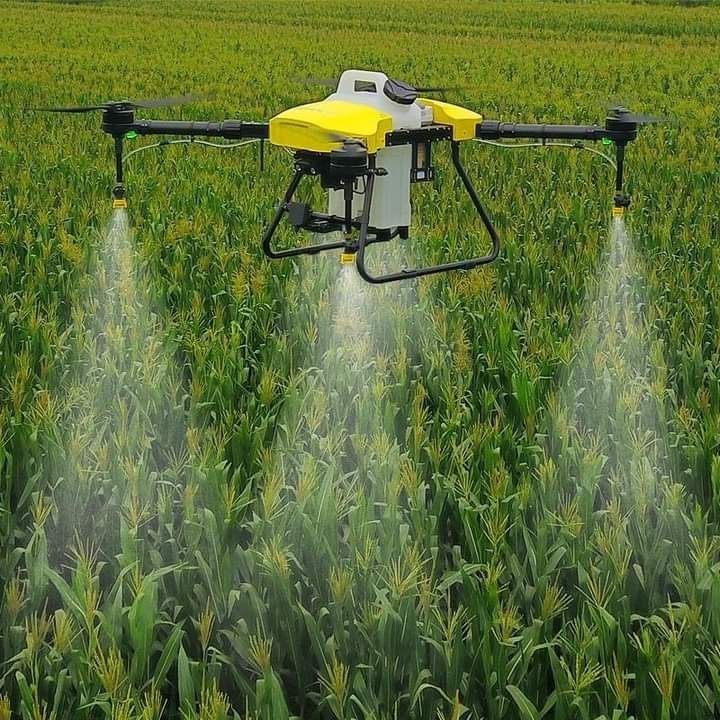
One of the most valuable applications of AI is in crop monitoring and disease detection. Through smartphone images, drones and satellite technology, AI systems can identify crop stress, nutrient deficiencies and early signs of disease before visible damage becomes severe. This allows farmers to intervene sooner, reducing losses and improving overall productivity. AI is also transforming input management by helping farmers apply water, fertilizers and crop protection products more accurately according to field conditions, reducing waste while improving efficiency.
Sponsored
Beyond the field, AI is increasingly influencing business decisions within agriculture. Advanced systems can analyse weather forecasts, climate risks, market trends and supply chain conditions, helping farmers determine the best times to plant, harvest, store or sell their produce. In many African countries, these technologies are being delivered through mobile applications, SMS advisory platforms and digital farm assistants, making them accessible even to smallholder farmers.
While AI offers significant potential, its effectiveness depends on the quality of available data. Incomplete farm records, limited sensor coverage and a lack of localised datasets can reduce the accuracy of recommendations. For this reason, AI should be viewed as a tool that strengthens decision-making rather than a replacement for agronomic expertise. Farmers still provide the experience, judgement and field-level management that drive successful production outcomes.
The greatest value of AI lies in its ability to reduce uncertainty. By improving timing, identifying risks earlier and supporting more efficient resource use, AI can help create more predictable and resilient farming systems. As digital agriculture continues to expand across Africa, the technology is expected to play an increasingly important role in improving productivity, sustainability and long-term farm profitability.