Livestock experts say disease outbreaks on farms are often the result of management weaknesses rather than sudden attacks from pathogens. While many farmers view disease as an external threat, agricultural specialists argue that poor nutrition, inadequate hygiene, overcrowding, stress, and delayed detection are the primary factors that create conditions for illness to spread.
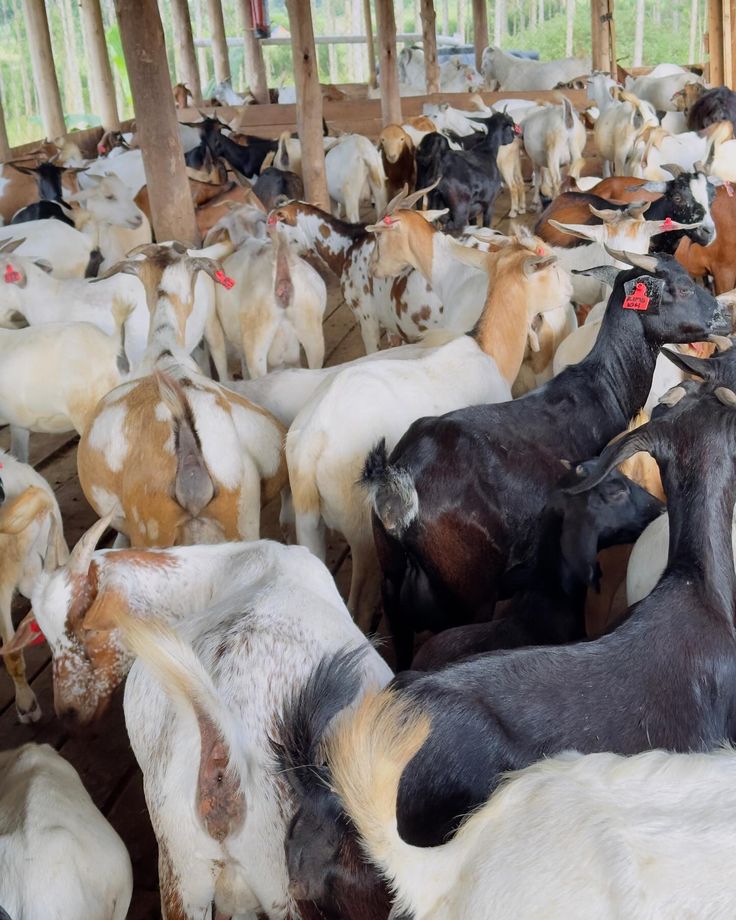
According to livestock health experts, disease pressure increases when farming systems lose stability. Animals raised in overcrowded housing, exposed to poor ventilation, inconsistent feeding schedules, or unhygienic conditions are more vulnerable to infections. These factors weaken natural resistance and allow diseases to spread more rapidly throughout herds and flocks.
Respiratory diseases remain among the most common health challenges in poultry, pig, and cattle production systems. Poor ventilation, dust accumulation, ammonia build-up, overcrowding, and fluctuating temperatures are key contributors. Experts note that respiratory outbreaks are often linked to environmental imbalances that persist for extended periods before symptoms become visible.
Digestive disorders are another major concern, particularly among young animals. Sudden feed changes, contaminated water, poor feed storage, and parasite exposure frequently disrupt digestive health, reducing nutrient absorption and slowing growth rates. Farmers are encouraged to maintain consistent feeding practices and ensure access to clean water to reduce the risk of gastrointestinal diseases.
Parasitic infections continue to drain productivity across many livestock systems. Although parasites may not cause immediate mortality, they gradually reduce feed efficiency, weaken immune systems, and increase susceptibility to secondary infections. Poor pasture management and irregular deworming programmes often contribute to higher parasite burdens in grazing animals.
Sponsored
Industry specialists emphasise that prevention remains more effective and less costly than treatment. Vaccination programmes, controlled stocking densities, routine cleaning and disinfection, biosecurity measures, and regular health monitoring are among the most effective tools for reducing disease risks and protecting productivity.
Biosecurity failures have also been identified as a major source of outbreaks. The movement of animals without quarantine procedures, contaminated equipment, unrestricted visitor access, and shared feeding or watering points can introduce pathogens into otherwise healthy production systems.
Nutrition is another critical factor in disease prevention. Experts note that balanced feeding programmes not only support growth but also strengthen immune systems, helping animals resist infections and recover more quickly from disease challenges.
Agricultural economists warn that the impact of livestock diseases extends beyond animal deaths. Reduced weight gain, lower milk production, increased veterinary costs, higher feed consumption, and prolonged production cycles often create significant hidden losses that affect farm profitability.
As livestock production expands across Africa, experts are urging farmers to prioritise prevention strategies and strengthen management systems. They argue that maintaining stable production conditions is the most reliable way to reduce disease outbreaks and protect long-term profitability.