In many countries, livestock is simply viewed as a method of farming. However, in East Africa, particularly in Ethiopia, livestock has remained the backbone of the economy and culture for centuries. With the largest livestock population in Africa, the country continues to depend heavily on cattle, sheep, goats, and camels for food, income, transport, and survival, especially among pastoral communities.
Historically, livestock keeping has existed in Ethiopia for thousands of years. Long before modern agriculture developed, communities depended on animals for food, transport, clothing materials, and farming activities. Cattle were especially important because they provided milk, meat, and labor for ploughing fields. In many communities, owning large herds symbolized prosperity, respect, and social status.
Ethiopia’s natural environment also played a major role in the growth of the livestock sector. The country possesses vast highland and lowland areas with extensive grazing land suitable for raising animals. In the fertile highlands, farmers practiced mixed farming by combining crop cultivation with livestock keeping. Oxen were commonly used for ploughing, while cows supplied milk for households.
Today, Ethiopia is recognized as the country with the largest livestock population in Africa, owning millions of cattle, sheep, goats, camels, and poultry. This achievement did not happen overnight. It is deeply connected to the country’s history, geography, traditions, and the resilience of its people.
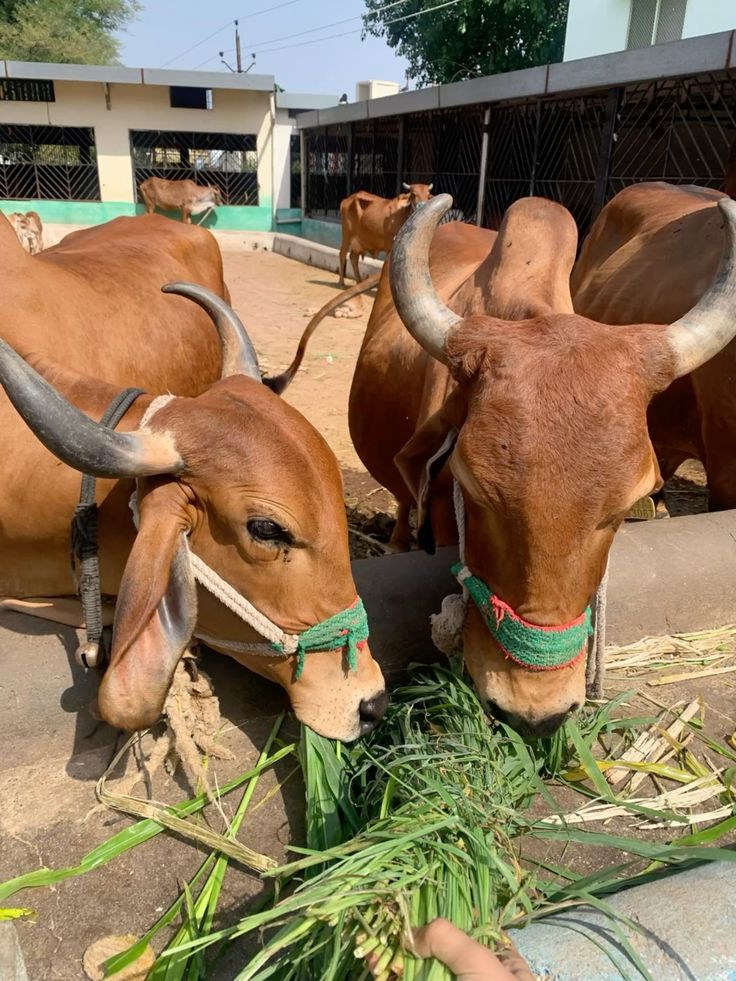
According to a USAID report on Ethiopia’s livestock sector, the country had the largest livestock population in Africa in 2020, with approximately 65 million cattle, 40 million sheep, 51 million goats, 8 million camels, and 49 million chickens. One of the biggest reasons behind Ethiopia’s livestock success is geography. The country possesses vast highlands, grasslands, and lowlands that naturally support animal rearing. The highlands provide fertile land and moderate temperatures ideal for cattle farming, while the dry lowlands favor camels, goats, and sheep. These environmental differences allowed communities to specialize in different forms of livestock production over generations. This natural advantage gave Ethiopia a strong foundation long before modern agricultural development began.
Other African countries can learn an important lesson from Ethiopia by understanding how geography can be used as an advantage rather than a limitation. Instead of copying farming methods from other regions, nations should first understand their own climate, vegetation, rainfall patterns, and land conditions. Dry areas may perform better with goats and camels, while wetter regions may support dairy cattle and crop farming.
Another major reason behind Ethiopia’s livestock strength is the strong cultural and traditional attachment to animal keeping. Livestock is not only viewed as an economic resource but also as part of social identity, family pride, and community life. This deep cultural connection encouraged generations of Ethiopians to continue investing in livestock production, leading to the expansion of the sector over time.
Sponsored
In many Ethiopian communities, owning livestock is considered a symbol of wealth, honor, and social status. Families with large herds of cattle, goats, sheep, or camels are often highly respected within society. Because of this, people are motivated to raise and protect their animals carefully. Livestock therefore became more than farming; it became a source of pride and long-term security. Other African countries can learn the importance of valuing agriculture culturally, not just economically. When communities respect livestock as part of their identity and heritage, people become more committed to protecting and growing the sector. Resilience has also been one of the strongest factors behind the growth and survival of Ethiopia’s livestock sector. For centuries, Ethiopian livestock farmers and pastoral communities have faced difficult conditions such as droughts, water shortages, animal diseases, harsh climates, and food insecurity. However, instead of abandoning livestock farming, communities continuously adapted and developed ways to survive these challenges.
Ethiopian farmers developed indigenous knowledge over generations. Communities learned how to identify drought-resistant animals, preserve animal feed, and manage grazing systems carefully.
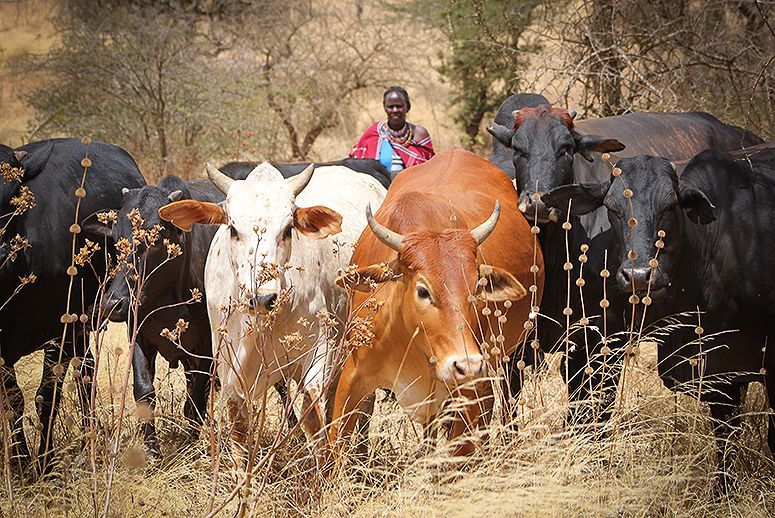
One example of this indigenous knowledge is the seasonal movement of livestock in search of water and pasture, especially among pastoralists in lowland areas. Communities learned how to predict weather patterns and identify grazing areas that remain fertile during dry seasons. Instead of keeping animals in one place, they move cattle, goats, sheep, and camels to areas with better pasture and water availability. This traditional system helps protect animals from drought and starvation.
Resilience was further demonstrated through recovery after crises. Even after disease outbreaks or droughts reduced animal populations, many communities rebuilt their herds through breeding, trade, and community support systems. Livestock therefore became not only a source of income but also a safety net during economic hardships.
For generations, Ethiopian farmers and pastoralists carefully selected strong, healthy, and productive animals for breeding. Animals that produced more milk, survived drought better, resisted diseases, or grew stronger were chosen to reproduce. Weak or less productive animals were usually not selected for breeding.
Other African countries can also learn the importance of adaptation. Instead of fighting against harsh environmental conditions, Ethiopian pastoralists adjusted their farming systems to suit their environment. Countries facing drought and climate change can also promote livestock systems that match local conditions.
Ethiopia’s status as Africa’s livestock giant is not built on herd size alone. It rests on three important foundations: cultural capital that makes animal keeping a source of identity, indigenous resilience systems that help communities recover after drought and disease, and geographic practicality that matches specific livestock to suitable environments.
Africa should therefore promote climate-smart agriculture that incorporates local knowledge instead of relying entirely on imported models. When livestock is treated not only as an economic activity but also as social infrastructure, the sector can become a powerful pillar for food security, employment, and rural livelihoods across the continent.