West Africa's Agribusiness Moment: Cocoa Cooperation, Fertiliser Billions, and New Export Doors
From a landmark cocoa alliance to a multi-billion-dollar fertiliser push, West Africa's agribusiness sector is being reshaped on several fronts at once.
West Africa produces the bulk of the world's cocoa, feeds a growing share of its own population through emerging fertiliser industries, and is now drawing renewed interest from international buyers. Three developments this year show just how much is shifting in the region's agribusiness landscape.
Ghana and Côte d'Ivoire Move to Act as One on Cocoa
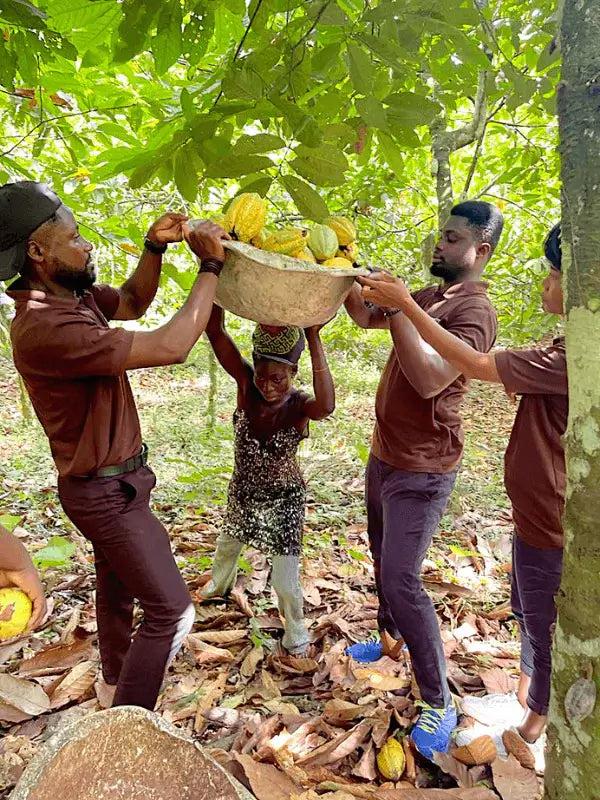
Ghana and Côte d'Ivoire, which together grow the majority of the world's cocoa, are pursuing closer coordination on pricing, harvest scheduling, and traceability as volatile markets squeeze both farmers and government revenues. The move comes as the cocoa sector faces what many in the industry are calling one of its most fragile stretches in years — collapsing prices, illegal mining encroaching on cocoa land, and smuggling all chipping away at a crop that underpins entire national economies.
For Ivorian officials, the priorities are clear: shoring up financing for the sector and making its value chains more competitive. Ghana, meanwhile, is looking beyond cocoa for new revenue, with regulated hemp production being floated as a way to diversify beyond a crop that has become dangerously unpredictable.
For farmers on the ground, closer Ghana–Côte d'Ivoire coordination could eventually mean steadier prices and better traceability systems — both of which matter increasingly to export buyers demanding proof that cocoa isn't linked to deforestation or child labour.
Sponsored
A Fertiliser Push Worth Billions
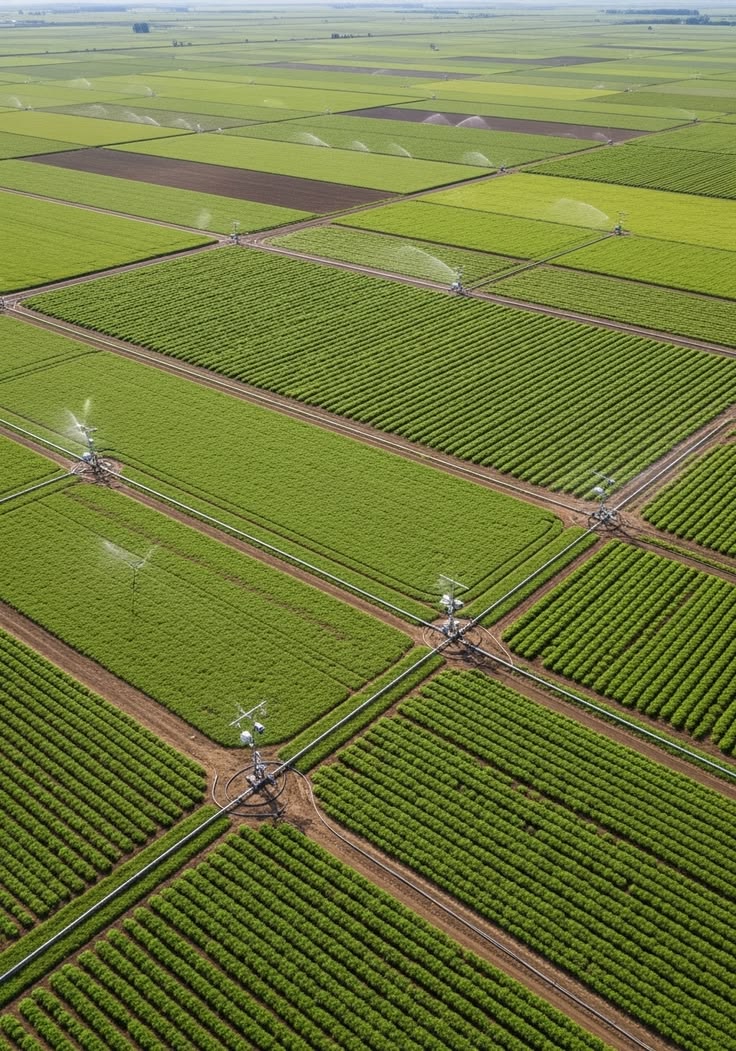
Nigeria's fertiliser industry is undergoing a dramatic scale-up. The Africa Finance Corporation has backed a $7 billion expansion of Dangote's fertiliser operations with a $600 million investment, aiming to triple the country's urea output and build what would become the world's largest single fertiliser production platform. The expansion arrives at a pointed moment: instability around global shipping routes has already disrupted urea supplies to Africa, and countries that can produce fertiliser domestically stand to shield their farmers from the price shocks that come with import dependence.
Smaller but no less important moves are happening elsewhere in the region. Benin has allocated close to $57 million to subsidise fertiliser purchases for farmers this season, a direct response to input costs that have made fertiliser a growing burden for smallholders across the region.
The World Comes Looking for West African Buyers
International trade interest is also picking up. The United States Department of Agriculture is preparing an agribusiness trade mission to Accra, Ghana, in September, aimed at connecting American grain, soybean, and animal feed exporters with buyers across Ghana, Côte d'Ivoire, and neighbouring markets. It's a signal that West Africa's growing feed and livestock sector is increasingly seen as a serious buyer on the global stage, not just a raw commodity exporter.
What It Means on the Ground
For commercial farmers and cooperatives, the throughline across all three stories is the same: West Africa's agribusiness sector is trying to move up the value chain — coordinating on pricing rather than competing blindly, producing fertiliser at home rather than importing it, and pulling in export buyers rather than only shipping out. For smallholders, particularly cocoa and cotton farmers already under price pressure, the real test will be whether these bigger structural shifts translate into steadier incomes at the farm gate.