Uganda has continued making significant progress in crop farming development through investments in technology, farmer training, crop diversification, and agricultural extension services. The country is increasingly focusing on transforming agriculture from subsistence farming into a more commercial and market-oriented sector.
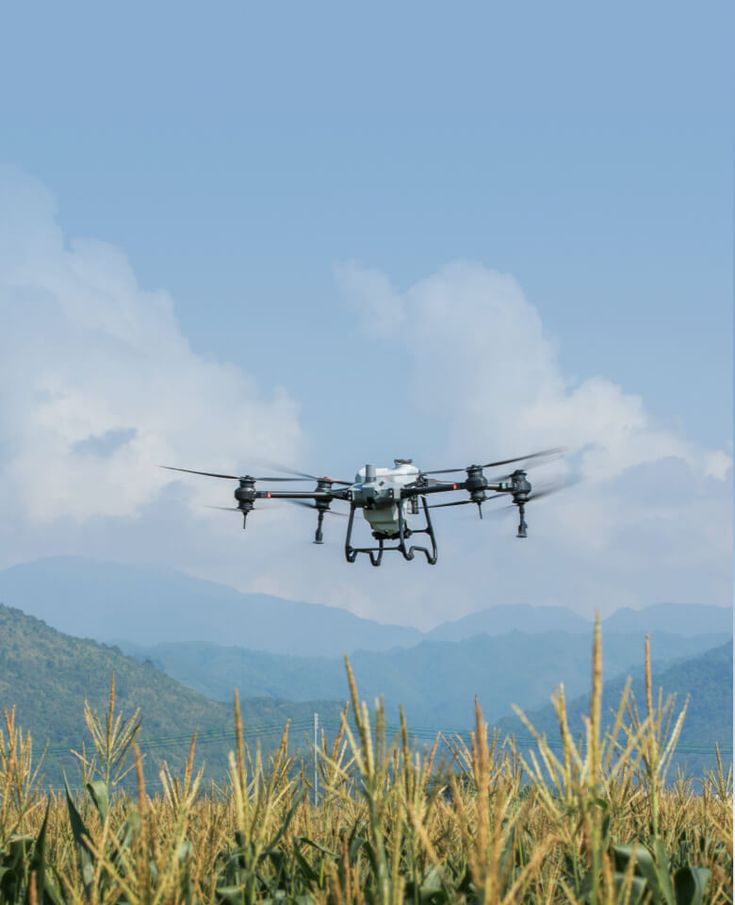
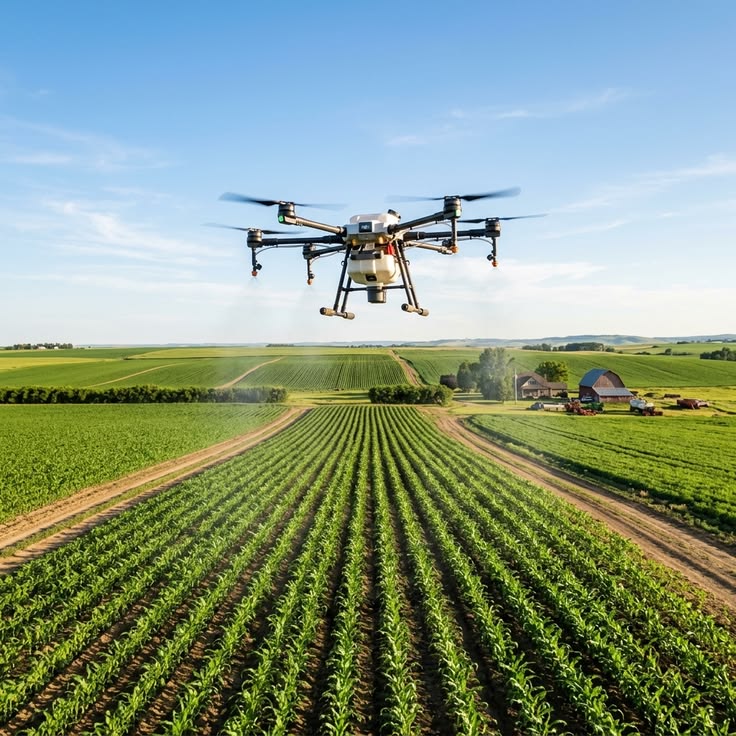
One of the country’s major developments has been the growing adoption of artificial intelligence in agriculture. The Ministry of ICT and National Guidance signed a strategic partnership with the United Nations Health Industry Foundation and the Prince Kimbugwe Foundation to accelerate the adoption of artificial intelligence and smart agriculture technologies. The agreement includes the establishment of AI laboratories and specialized training programs aimed at improving digital crop management and agricultural innovation.
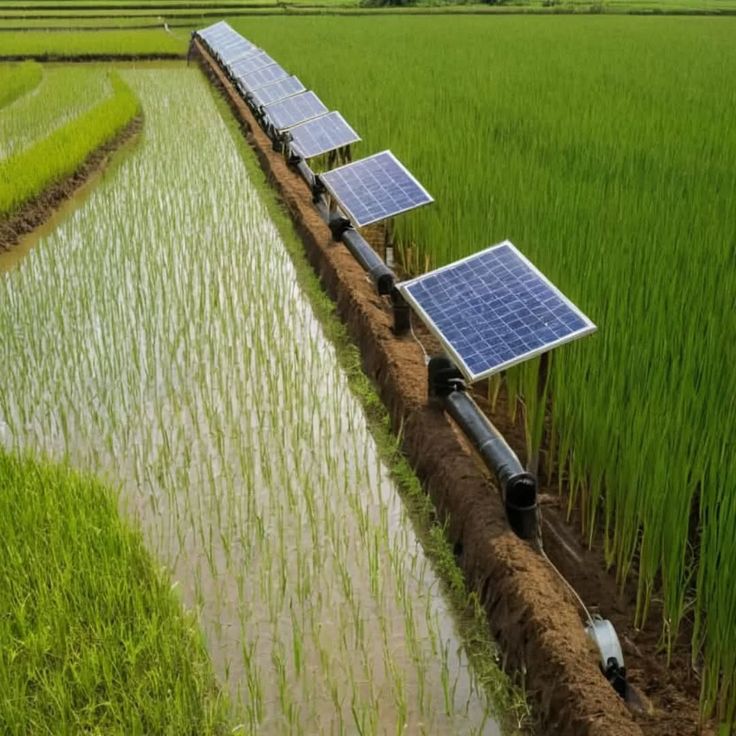
Uganda has also embraced virtual agricultural investment platforms as part of its modernization efforts. Agricultural experts have introduced technology-driven digital platforms that aggregate smallholder farmers and connect them directly to input suppliers, financiers, and buyers. These platforms are helping speed up crop-cycle financing and improving access to agricultural services. The country has further made significant strides in strengthening commercial agricultural value chains, particularly in rice production. With support from South Korean agricultural innovations, farmers at the Doho Irrigation Scheme in Eastern Uganda have adopted improved farming methods that have significantly increased rice yields.
At the same time, policymakers are pushing for increased domestic funding toward upland rice research to reduce Uganda’s annual rice import bill, which is estimated at between 230 million and 400 million US dollars.
Uganda has also expanded its cocoa sector, contributing to economic growth and export diversification. Agro-entrepreneurs, including companies such as Koko Agri Farms, are promoting a shift from subsistence cocoa production to high-value cocoa aggregation and export.
With nearly 80 percent of Uganda’s land considered arable, experts believe the country has the potential to replicate the international success of its coffee industry by scaling up high-quality cocoa production for global markets.
Sponsored
Regional agricultural productivity support programs have also played an important role in transforming the sector. The Local Economic Growth Support (LEGS) project, backed by the Islamic Development Bank, has introduced large-scale agricultural productivity interventions across the Teso, Northern, and West Nile sub-regions.
The project is supporting farmers through the provision of farming equipment, productivity enhancement programs, and income-generating initiatives aimed at improving rural livelihoods.
Uganda has additionally strengthened its agricultural policy direction through continental frameworks and long-term development planning. Stakeholders are advancing plans under the CAADP Kampala Declaration for the 2026–2035 period. The framework focuses heavily on agro-industrialization, climate resilience, regional trade integration, and value addition as key drivers of agricultural transformation.
Another major policy direction has been the government’s push to reduce dependence on subsistence farming. President Yoweri Museveni has repeatedly called on local leaders and public administrators to strengthen the implementation of commercial agriculture programs at community level.
The government has also increased funding allocations directly to parish structures under household wealth creation initiatives aimed at encouraging rural communities to transition from subsistence farming to commercial, value-added agricultural production. Uganda’s continued investments in crop farming development are steadily transforming the agricultural sector into a more modern, productive, and commercially driven industry.
Through the adoption of artificial intelligence, digital financing platforms, irrigation innovation, export expansion, and regional productivity programs, Uganda is positioning itself as one of Africa’s emerging agricultural powerhouses. With strong government support, international partnerships, and policies promoting agro-industrialization and value addition, the country’s crop farming sector is expected to create more employment opportunities, strengthen food security, and contribute significantly to economic growth.
As Uganda continues shifting from subsistence farming to commercial agriculture, the future of its agricultural sector appears increasingly promising and competitive at both regional and global levels.