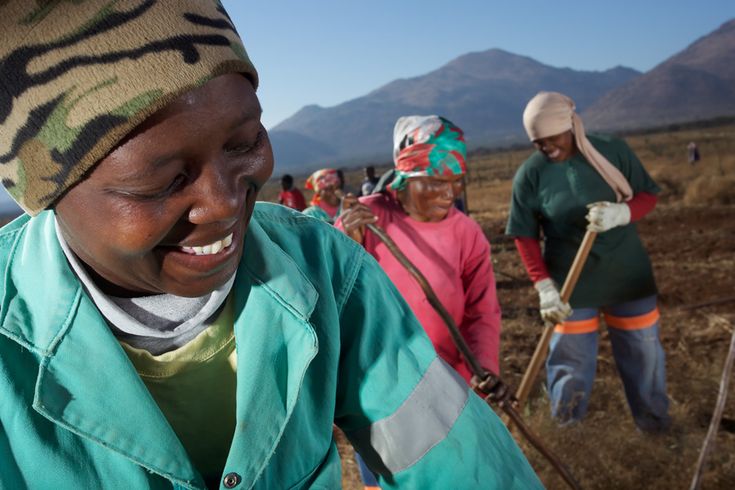
The Gambia, mainland Africa’s smallest nation, is advancing an ambitious agricultural mechanization agenda aimed at transforming food production, improving rice self-sufficiency, and reducing the heavy labour burden on rural women, who form the backbone of the country’s farming workforce.
Faced with a growing population, increasingly erratic rainfall, and widespread saline intrusion in lowland rice fields, policymakers and development partners are converging on a common view: appropriately scaled mechanization could be the key to unlocking agricultural resilience.
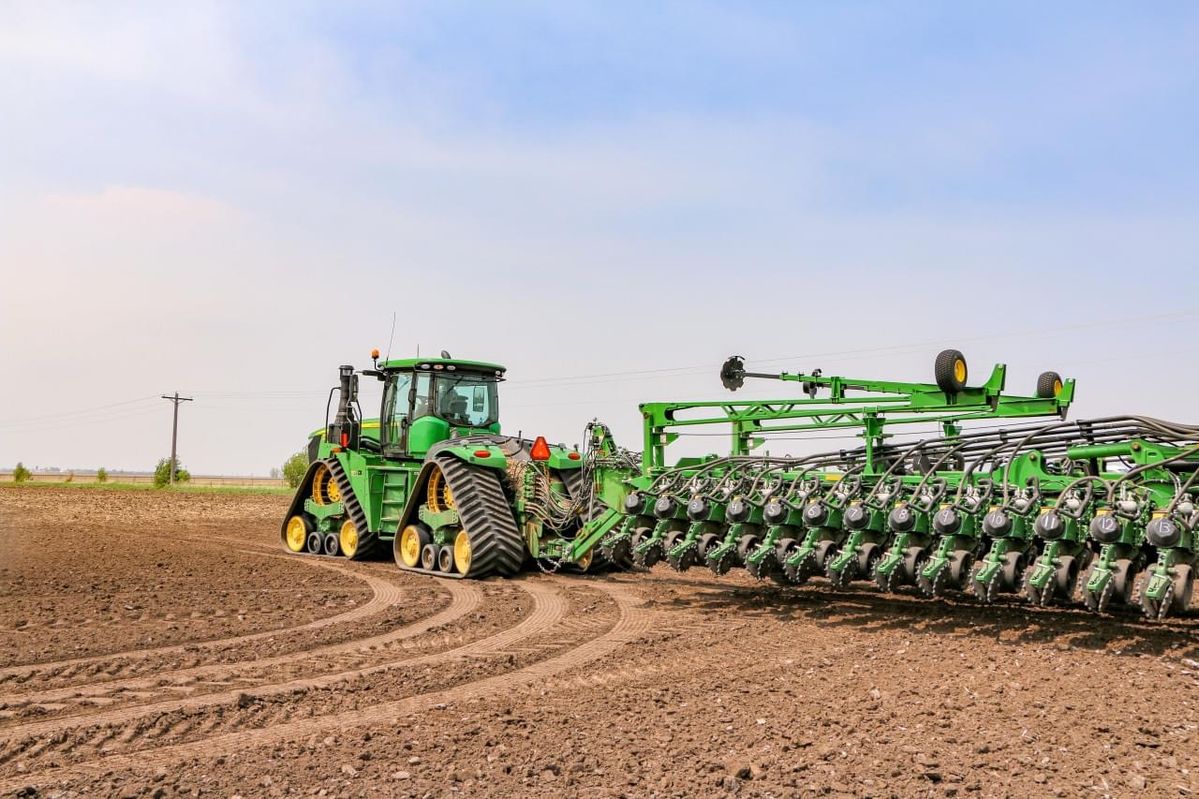
At the centre of this transformation is the National Agricultural Mechanization Policy 2023–2033, a decade-long framework that seeks to raise mechanization levels from an estimated 8 percent to 35 percent.
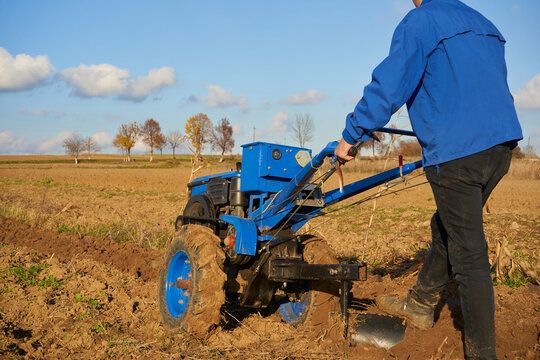
Unlike conventional models that prioritize large tractors, the Gambian approach is deliberately tailored to local realities. The policy emphasizes small-scale power tillers, mini combine harvesters, rice mills, and post-harvest handling equipment suited to fragmented landholdings and wetland rice systems. Women’s farming groups, in particular, are a central focus of the strategy.
In 2025, the Ministry of Agriculture, supported by a $12 million grant from the International Fund for Agricultural Development (IFAD) and the Islamic Development Bank, established six Regional Agricultural Mechanization Service Centres (RAMSCs). These centres function as shared-service hubs where farmers can access machinery, maintenance services, and technical training at subsidized rates.
The Sapu centre, one of the largest under the programme, now serves dozens of communities along the River Gambia. It houses approximately 45 power tillers, 20 rice threshers, 10 milling machines, and several ox-drawn seeders used for upland groundnut production. “We deliberately started with a service model rather than individual ownership,” explains Lamin F. Bojang, director of the RAMSC programme. “Most farmers cannot afford a 2,500-dollar power tiller, nor can they maintain it alone. The centre owns the machines, employs trained operators, and farmers pay a fee per hour or per season.”
Early results suggest the model is economically viable. Hand-tilling one hectare of rice typically requires around 120 labour-hours, while a power tiller can complete the same task in 6 to 8 hours at an average cost of about 2,500 Gambian Dalasi (approximately 37 US dollars). When combined with the benefits of timely planting, farmers report yield improvements translating into net income gains of 30 to 40 percent.
In some cases, cooperatives supported by the programme have expanded cultivated land areas to nearly three times their 2020 levels, with surplus production increasingly entering formal markets through the national food security system.
Post-harvest mechanization is also significantly reducing losses, particularly in rice processing, where traditional manual methods have long been a major inefficiency in the value chain. Women, who dominate post-harvest handling activities, have historically relied on labour-intensive pounding techniques that can result in breakage rates exceeding 40 percent.
Mechanized milling and threshing systems introduced through RAMSCs are helping to reduce these losses while improving grain quality and market value.
Livestock production, though smaller in economic share compared to crops, is also benefiting from mechanization interventions. In the North Bank Region, where small ruminant fattening is an important rural livelihood strategy, USAID’s Gambia Agriculture and Food Security Project has introduced motorized feed choppers and grinders to improve feed efficiency.
Sponsored
Women collecting groundnut hay and natural grasses are now able to process feed into more nutritious, mixed rations that help sustain livestock during the dry season.
The impact is already visible in productivity outcomes and market readiness. Animals reach slaughter weight more quickly, improving household incomes during peak demand periods such as Tobaski (Eid al-Adha), when livestock prices traditionally surge. “We saw an average increase of 4.5 kilograms in slaughter weight for goats fed with mechanized feed,” says livestock extension agent Lamin Darboe. “That translates directly into higher earnings for rural households.”
As The Gambia deepens its mechanization strategy, its experience highlights a broader lesson for smallholder agriculture across Africa: success depends not on the scale of machinery, but on how well technology is adapted to local conditions, service systems, and rural livelihoods.
A critical factor determining the long-term success of The Gambia’s mechanization drive is training capacity, which remains in urgent need of scaling.
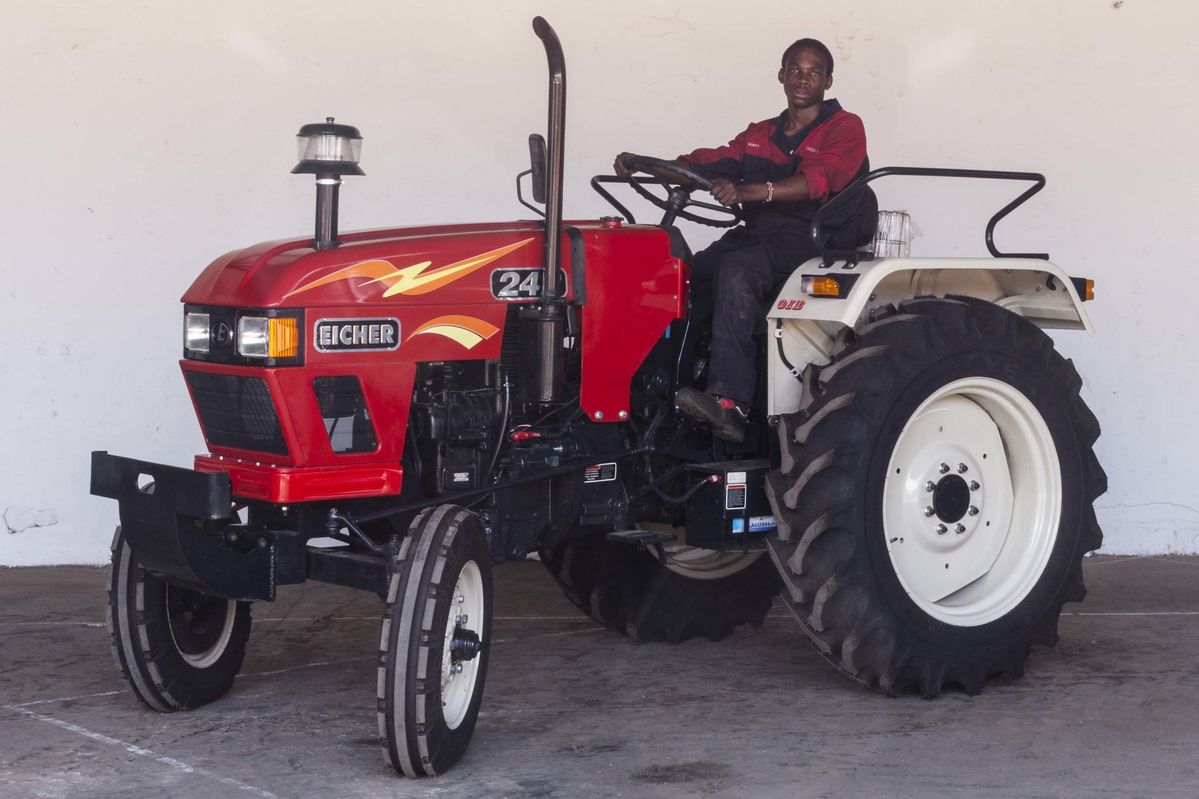
The National Agricultural Mechanization Policy’s target of training at least two female machine operators per village is both ambitious and widely regarded as a commendable step toward inclusion. However, current implementation remains uneven. At the Sapu Regional Agricultural Mechanization Service Centre (RAMSC), approximately 34 women have so far been trained as machine operators. While this represents progress, officials acknowledge that the numbers remain far below national demand, and cultural resistance in some communities continues to limit women’s participation in mechanized farming.
In several rural areas, entrenched social norms still discourage women from operating machinery, even when training opportunities are available. This has created a gap between policy ambition and ground-level acceptance.
Yet, beyond productivity gains, mechanization is increasingly being recognized as a vehicle for broader social and economic empowerment. It is not only easing labour burdens in agriculture but also equipping rural populations with lifelong technical skills and opening pathways to employment in emerging agricultural service industries.
Speaking at the opening of a new RAMSC facility in Kerewan, Minister of Agriculture Dr. Demba Sabally emphasized that mechanization must be understood beyond machinery alone.
“Our mothers and sisters have been the engines of agriculture for too long, at the cost of their health and time,” he said. “Appropriate equipment gives them the chance to be farmers, not beasts of burden. That is the real transformation.”
Looking ahead, stakeholders express cautious optimism that The Gambia’s mechanization agenda could position the country as a model for small-scale, inclusive agricultural modernization in West Africa. However, this will depend on sustained investment in training, stronger community engagement, and continued expansion of equipment access.
If successfully implemented, the country’s approach could offer a blueprint for other African nations seeking to balance productivity gains with social inclusion in the agricultural sector.
The hope, increasingly shared among policymakers and development partners, is that The Gambia’s experience will not only transform its own rural economy but also inspire a broader shift toward more appropriate and people-centred mechanization strategies across the continent.