Nigeria's Zero-Duty Shift
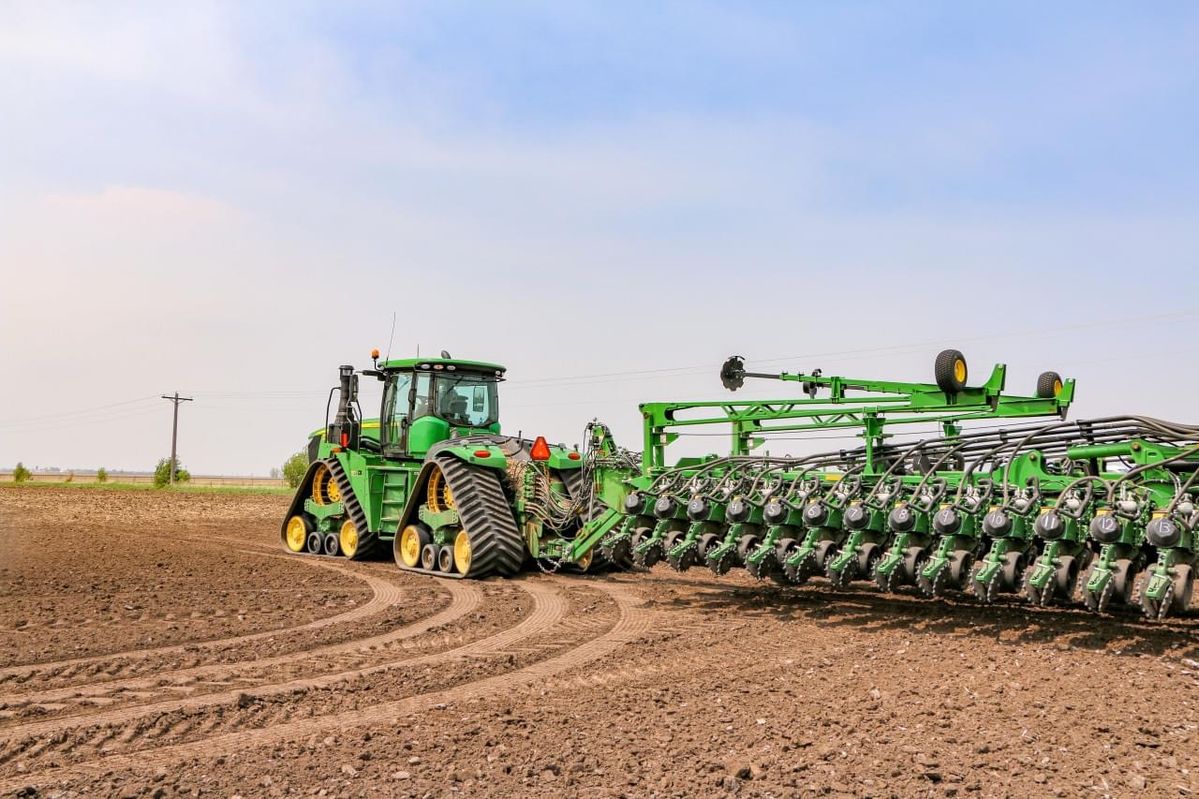
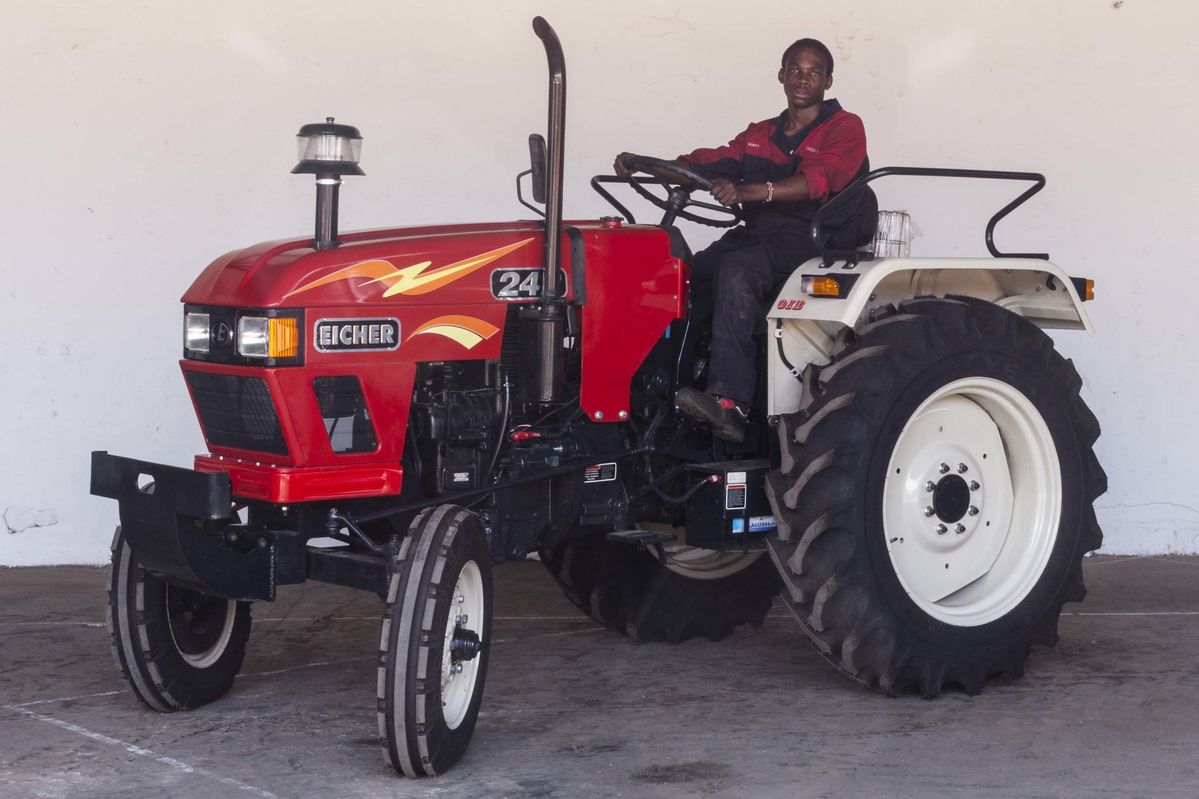
In one of the most consequential policy moves for African farm equipment access in years, Nigeria eliminated import duties on agricultural machinery entirely, effective July 1. The measure, implemented through a Nigeria Customs Service circular, brings tractors, harvesters, planters, irrigation equipment, and processing machinery into the country under zero-duty terms for the first time — a shift with direct implications for equipment dealers, government mechanization programmes, and smallholder farmers across Africa's most populous nation.
Until this change, imported farm machinery in Nigeria carried duty rates typically ranging from 5 to 20 percent, layered with additional levies, VAT, and customs processing charges that could substantially inflate the effective cost of a new tractor or harvester. The reform revises 127 tariff lines as part of the 2026 Fiscal Policy Measures and Tariff Amendments approved by Finance Minister Wale Edun, replacing the previous 2023 fiscal guidelines outright.
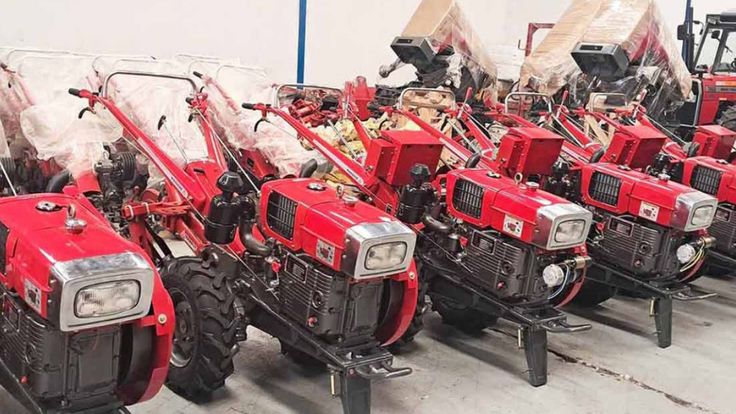
The policy isn't happening in isolation. Officials have confirmed a tractor assembly plant capable of producing 2,000 to 4,000 units annually is in the pipeline, alongside 36 mobile mechanisation service trucks and seven planned mega-service centres nationwide — infrastructure intended to make sure imported and locally assembled machines actually get serviced and repaired, rather than sitting idle once something breaks down.
Ghana's 4,000-Machine Rollout
Ghana is moving on a parallel track. The government's 2026 Budget Statement confirmed plans to deploy more than 4,000 machines and farm implements across 50 districts this year, including 660 tractors, 200 mini-tractors with attachments, combine harvesters, precision planters, fertilizer spreaders, and sprayers. The rollout runs through a Farmer Service Centres initiative — a central component of the country's Feed Ghana Initiative — which will establish 50 integrated centres offering farmers shared access to modern machinery and technical support, rather than requiring individual ownership.
Sponsored
The scale of the need is significant: roughly 78 percent of agricultural work in Ghana is still carried out manually, according to recent assessment data, making low mechanization one of the clearest constraints on the sector reaching its full productivity potential. Ghana's Ministry of Agriculture has also signed a new agreement with Turkish manufacturer Hattat Traktör this month to establish a tractor assembly unit domestically, following earlier discussions with Belarus on machinery supply — part of a broader push to diversify where the country's farm equipment actually comes from.
The Bigger Market Picture
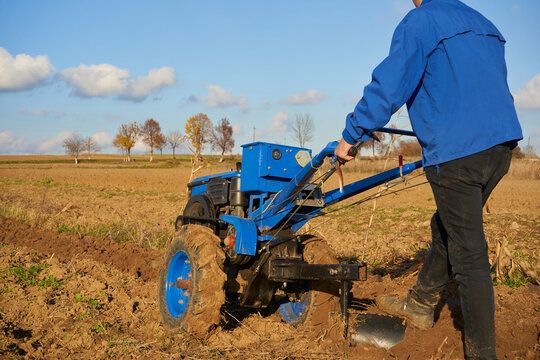
These national moves are landing against a backdrop of steady regional growth. Africa's agricultural tractor and machinery market is projected to grow from $2.36 billion in 2025 to $2.58 billion this year, on its way to roughly $3.26 billion by 2031. Analysts attribute the growth to a combination of mechanization subsidies, the spread of pay-per-use digital tractor-hire platforms, and the establishment of knocked-down assembly lines that allow international manufacturers to build machines locally rather than shipping finished units. County-level cooperatives in Kenya and Tanzania are also lowering rental costs for smallholders, shifting machinery access away from individual ownership and toward shared-use models better suited to smaller farm sizes.
Why the "How," Not Just the "How Many," Matters
Continental mechanization strategy has increasingly emphasized that past efforts often failed not because Africa lacked machines, but because equipment was poorly matched to smallholder farming systems and unsupported by local spare parts and repair networks. That lesson is visible in both this week's stories: Nigeria's zero-duty policy is paired directly with new service infrastructure, and Ghana's machine rollout is built around shared-access centres rather than simply distributing equipment to individual buyers and hoping maintenance sorts itself out.
For Nigerian farmers and equipment dealers, the immediate effect of zero-duty imports should be lower upfront costs for tractors, harvesters, and irrigation equipment — though how much of that savings reaches individual farmers will depend on how competitively dealers price imported machinery going forward. For Ghanaian farmers in the 50 districts targeted for Farmer Service Centres, the shared-access model means meaningful mechanization gains may arrive without requiring farmers to take on the capital cost of full machine ownership. Across the wider region, farmers should watch for continued growth in pay-per-use rental platforms and cooperative machinery pools, which are emerging as the more realistic path to mechanization for farms under 5 hectares than individual purchase.