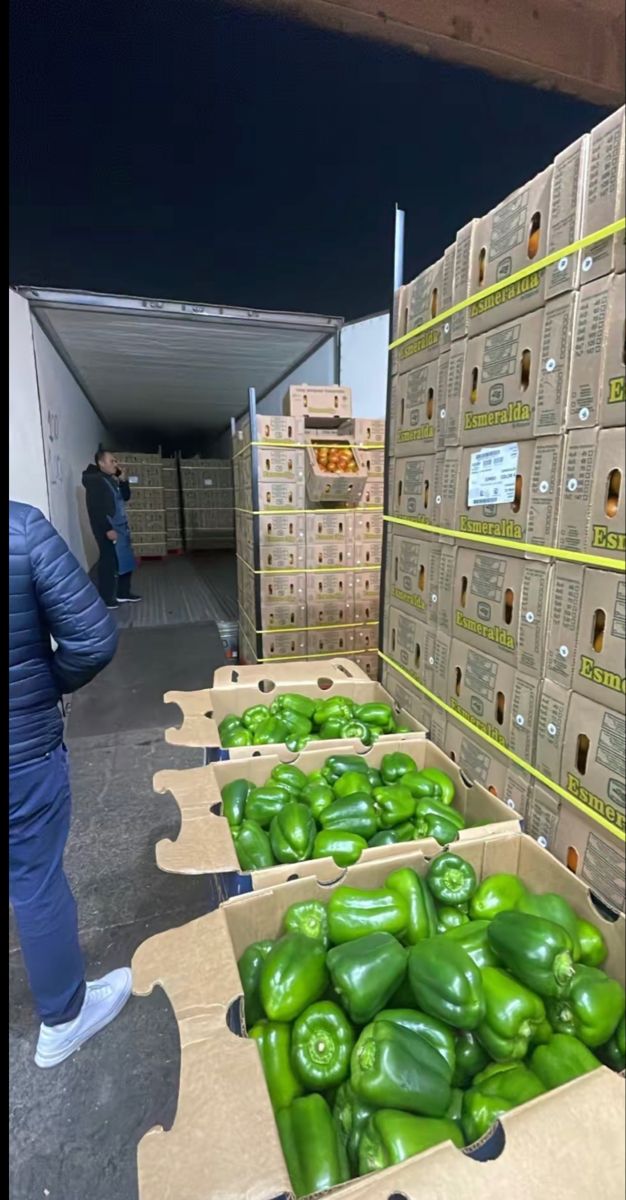
Across much of Africa, an estimated 30 to 40 percent of food produced never makes it to a plate. It rots in transit, spoils in markets, or is discarded before it can be sold, mainly because there is nowhere cold enough to keep it fresh. Sub-Saharan Africa's total refrigerated warehouse capacity is a small fraction of that found in countries with comparable agricultural output, leaving a gap researchers now describe as one of the largest untapped opportunities in African logistics. Unlike many of the continent's structural agricultural challenges, this one does not require a scientific breakthrough. It requires capital, sound business models, and the roads and power supply to support them, all of which are steadily falling into place.
Why Cold Storage Has Become Investable East Africa in particular has become a hub for cold chain expansion, driven by growing exports of flowers, avocados, French beans and seafood that must meet strict European temperature and traceability standards. New facilities are being built or expanded across Kenya, Tanzania, Uganda, Rwanda and Ethiopia, while West Africa is attracting large public-private partnerships aimed at closing a wider infrastructure gap. A newer business model is also making the sector more attractive to investors: shared-use, pay-per-use cold storage hubs that split the fixed cost of refrigeration across many small farmers and traders, rather than requiring one investor to shoulder the entire capital outlay for a private facility.
Sponsored
Solar Power Is Solving The Reliability Problem In regions where the electricity grid cannot be trusted to keep refrigeration running around the clock, solar-powered cold storage has emerged as the practical workaround, and increasingly the preferred option even where grid power exists. These systems cut fuel costs, lower emissions, and let smallholder farmers pay for cooling only when they use it, turning what used to be an unaffordable fixed cost into a flexible service.
The Bottom Line For Investors Analysts now describe Africa's perishable food market as one of the largest addressable opportunities on the continent, precisely because the underlying problem, spoiled and wasted food, is both enormous and fixable with existing technology. For investors comfortable with infrastructure-style returns, cold chain logistics offers a rare mix of social impact and commercial upside.