Mozambique is one of the countries in the Southern Africa Development Community (SADC) region. The country has a population of about 35.6 – 36.6 million people, of which 51.4% female and 48.6%.
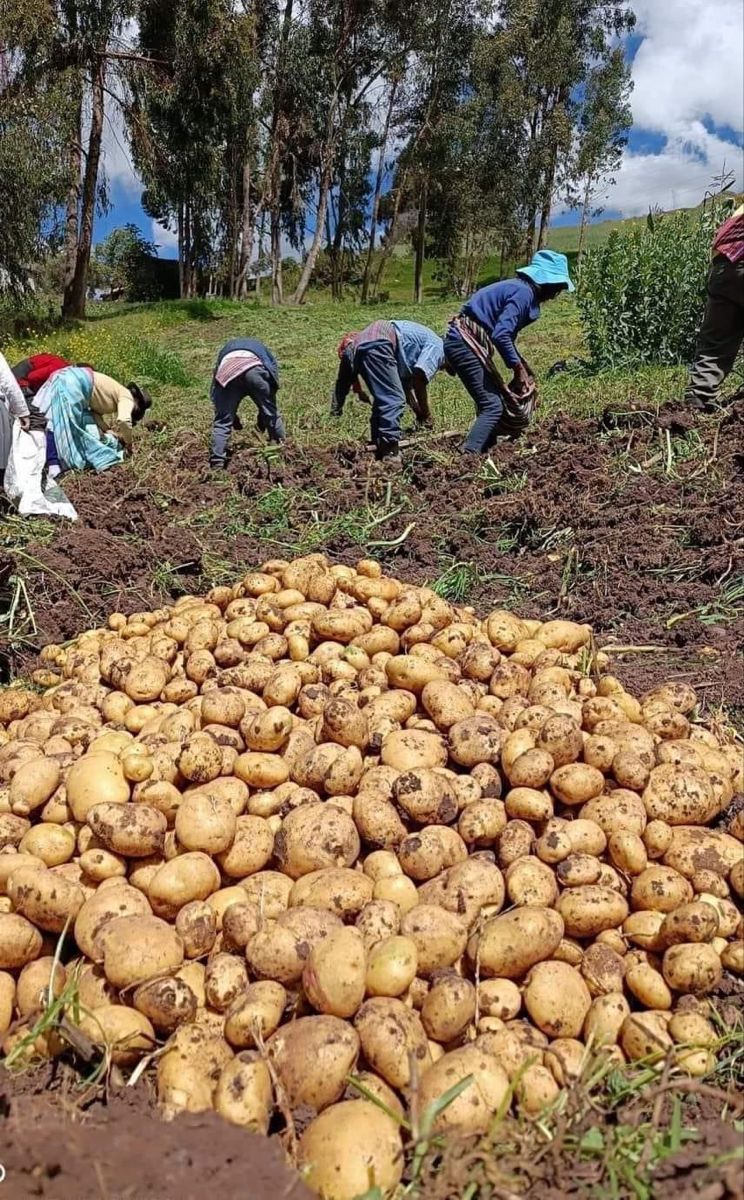
Though urban centres are growing rapidly, the majority of the country’s population lives in rural areas, and most of them are employed in the agriculture sector.
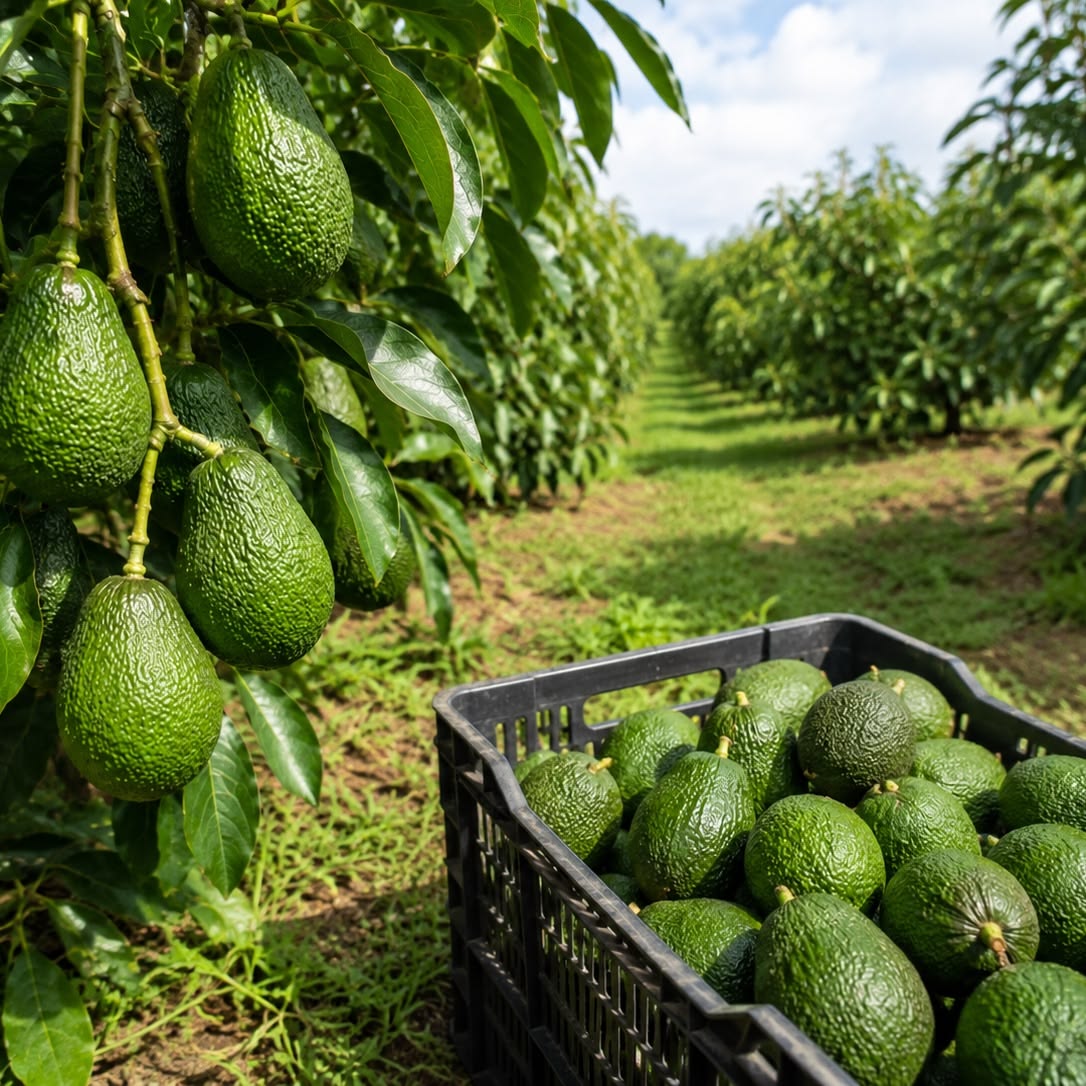
Agriculture is the backbone of its economy, employing around 66% of the rural population and contributing approximately 24% of the national GDP.
The sector is heavily dominated by over 3.2 million smallholder, subsistence-level farmers, who produce the vast majority of agricultural output, alongside a smaller but growing number of commercial operations. So this shows that agriculture is the major economic driver for Mozambique, and also tool for social development. However, as climate is wreaking havoc across the globe, Mozambique has not been spares either.
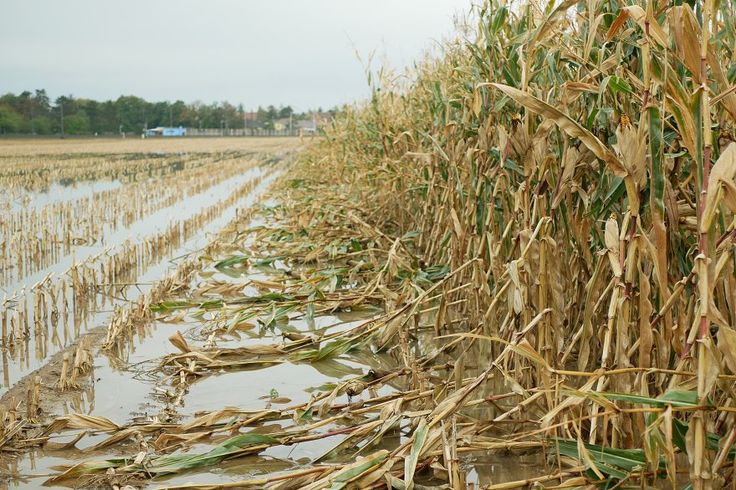
The country is usually hit by Cyclones, which usually happens between the period November and April, and agriculture is acutely hit, affecting a lot of people, since 75-80% of people in the country depend on farming. This has had devastating effects on the sector, as crops are destroyed by the storm water and flooding.
Sponsored
According to a Food and Agriculture Organization (FAO) feature story, Mozambique was hit by Cyclone Idai in 2019. The intense storm devastated over 700 000 hectares of crops in the country and caused rivers to overflow, dams to burst and floods to sweep away entire farms and communities.
As earlier mentioned, over 80 percent of Mozambique’s population depends on agriculture for their livelihoods, so the damage done to crop fields, food and grain stores, fisheries infrastructure and livestock assets had a catastrophic effect on the food security of many.
In this regard, we can see that cyclone does not only leave the communities and rural population food insecure, but the entire country as well, because if 700 000 hectares of crops could be damaged, then the impact was huge.
The other impact was on aquaculture, as rivers overflew, and dams busted. Additionally, since the floods and storm water swept through the community, livestock was also washed away. This means that livestock farmers were also badly hit, but those farmers who are into both crop farming and livestock farming were even hit worse.
The impact was also felt on infrastructure that are critical to the Agriculture sector, such as roads, were also damaged. Consequently, this has had an impact on the market for farmers.