
Kenya has continued to make significant progress in transforming its agricultural sector through the adoption of modern technology and digital innovation. Over the years, the country has invested heavily in agricultural technology development aimed at improving productivity, strengthening food security, reducing farming costs, and enhancing sustainability. These efforts are helping farmers adopt smarter farming methods while modernizing one of the country’s most important economic sectors.
In March 2026, the Kenyan Government introduced the landmark Draft Agricultural Data, Information and Digital Policy aimed at addressing fragmented agricultural data systems and establishing a unified digital agricultural network. The policy seeks to improve coordination between public and private agricultural institutions while enhancing access to reliable information for farmers and stakeholders.
As part of this transformation, the government established the Kenya Agricultural Digital Information Centre, which serves as a central hub for standardizing and managing agricultural data across the country. The centre is expected to improve efficiency in agricultural planning, data collection, and service delivery.
Kenya has also accelerated the adoption of agri-tech platforms through initiatives such as the KIAMIS Scale Up Programme. More than 6.5 million farmers have reportedly been registered under the Kenya National Agricultural Value Chain Advancement Project platform. The digital database directly connects small-scale rural farmers to subsidized farm inputs, extension services, and access to agricultural credit facilities.
This direct digital access has contributed to increased maize and coffee yields by improving farmers’ access to timely information, affordable inputs, and financial support. The government is further leveraging agricultural digitization under the Jobs Connect Compact initiative, which aims to create six million green jobs by 2030 while reducing the country’s food import costs.
Financial technology has also emerged as a major pillar of Kenya’s agricultural transformation. Through fintech financing systems, the government and financial institutions are introducing digital risk-profiling tools aimed at lowering agricultural lending rates from about 18 percent to a guaranteed 5 percent. This initiative is expected to make agricultural financing more accessible and affordable for farmers.
Climate-smart science and precision farming have also received major attention in Kenya’s agricultural development strategy. Scientists at the Kenya Agricultural and Livestock Research Organization have introduced “Nyota,” a fast-growing and drought-tolerant bean variety developed to help address the country’s bean deficit estimated at 155,000 metric tons.
Sponsored
Kenya is also collaborating with international partners in spatial mapping projects that assess soil nutrients, water availability, and carbon levels across different agricultural regions. The information gathered is being shared with farmers through mobile extension applications and digital field schools.
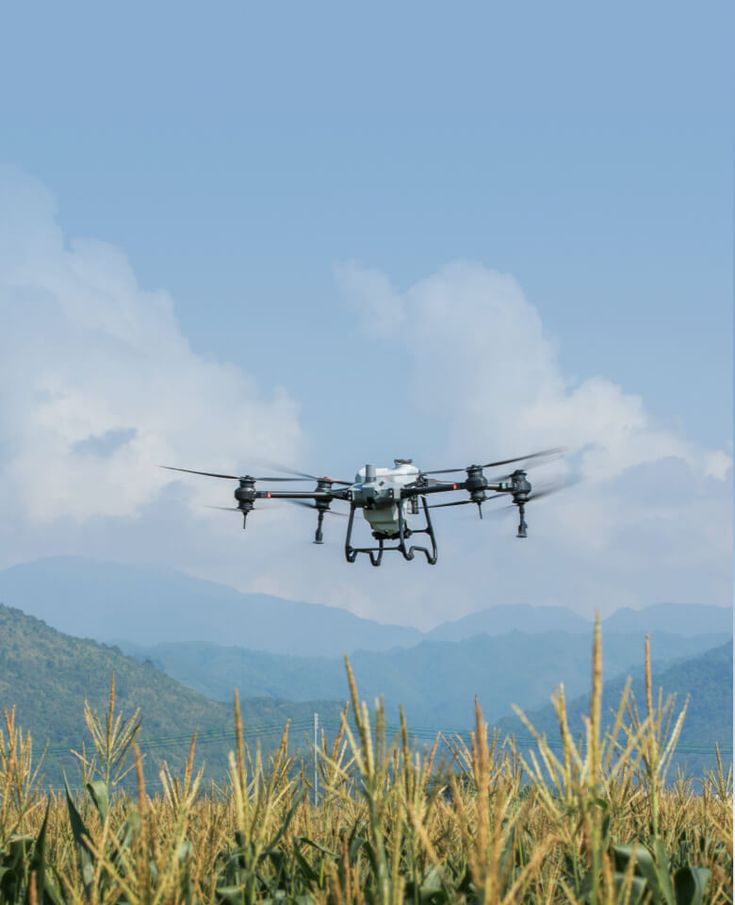
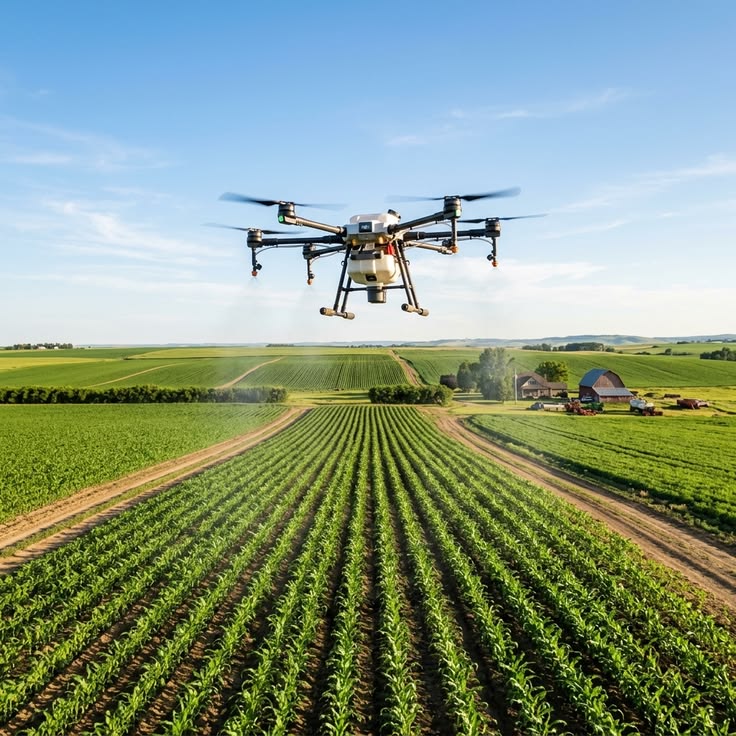
These digital farming platforms have reportedly contributed to a 20 percent increase in crop yields while reducing fertilizer expenses by approximately 20 percent. In addition, start-ups and agricultural cooperatives are increasingly adopting Internet of Things (IoT) sensors, smart drip irrigation systems, and drone imaging technologies to manage climate-related challenges and optimize water usage.
The country has also intensified modernization efforts in the coffee sector. The Ministry of Cooperatives and MSMEs is promoting digital tracking systems and technological adoption aimed at reversing years of declining coffee production and improving competitiveness in international markets.
Digital advisory services are also transforming agricultural extension systems in Kenya. Innovation hubs such as the CGIAR Policy Innovations Hub, together with mobile platforms like iShamba, are helping provide real-time pest control advice, weather updates, and market information to farmers in remote areas.
Kenya’s continued investment in agricultural technology demonstrates how innovation can transform farming and improve livelihoods. Through digital agricultural policies, climate-smart farming practices, fintech solutions, and precision agriculture, the country is steadily building a more efficient, resilient, and sustainable agricultural sector.
These developments are not only improving food production and reducing farming costs but are also creating employment opportunities, attracting investment, and strengthening economic growth. From digital farmer registration systems and smart irrigation technologies to drought-resistant seeds and mobile advisory platforms, technology is reshaping the future of agriculture in Kenya.
If the current momentum continues, Kenya is likely to achieve greater food security, improved export competitiveness, and long-term agricultural sustainability. The country’s progress is increasingly being viewed as a model for other African nations seeking to modernize agriculture and empower farmers through innovation and digital transformation.