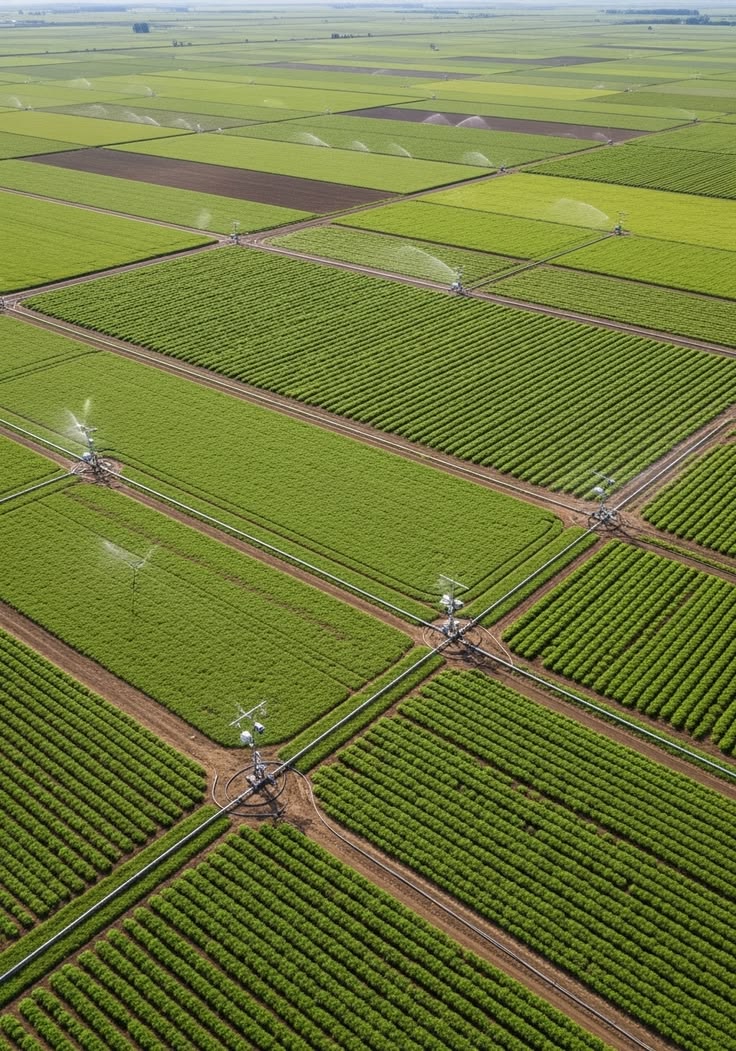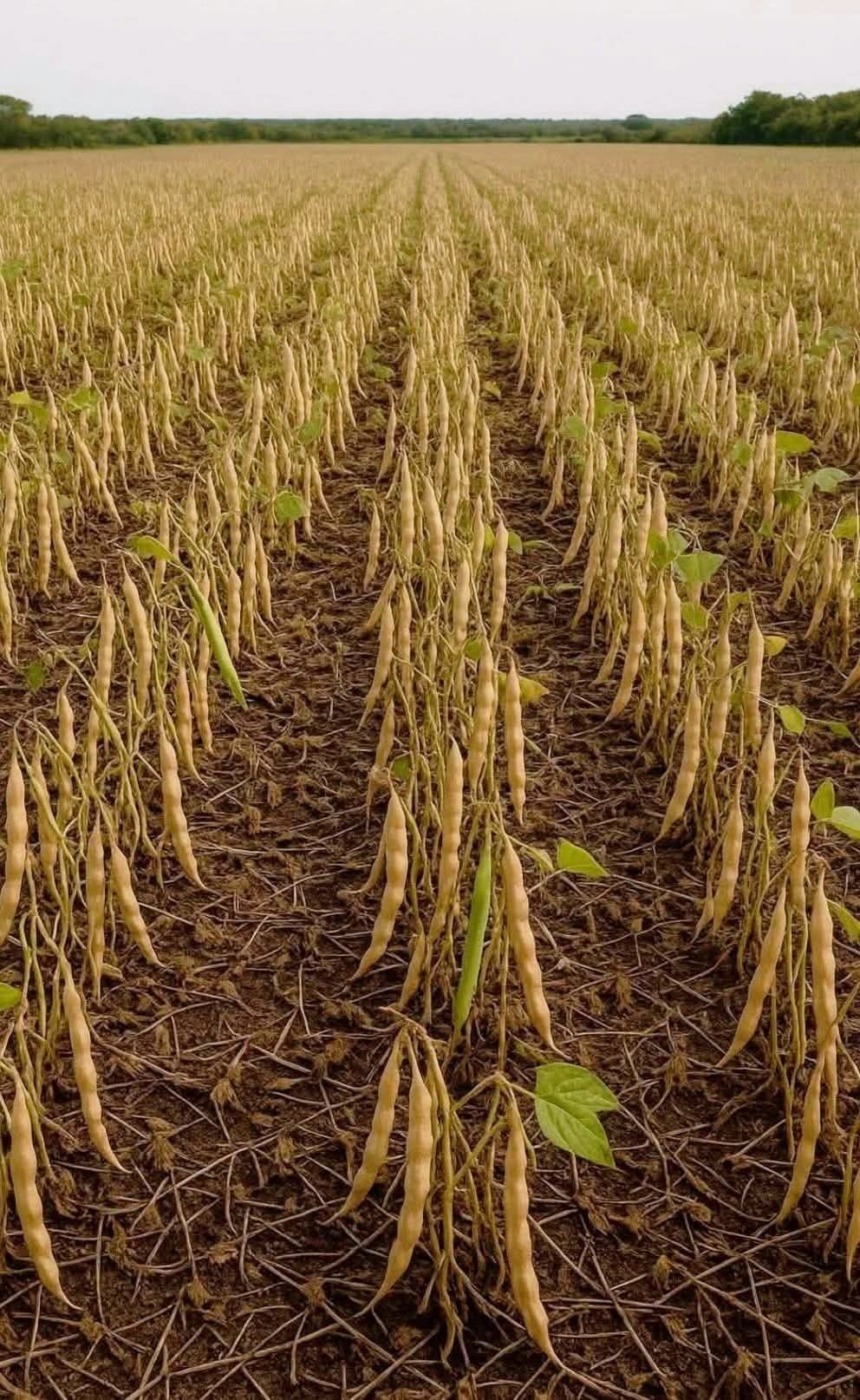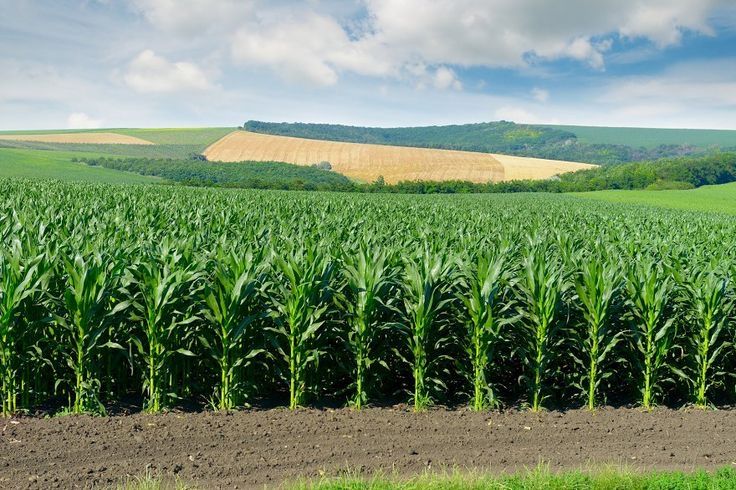
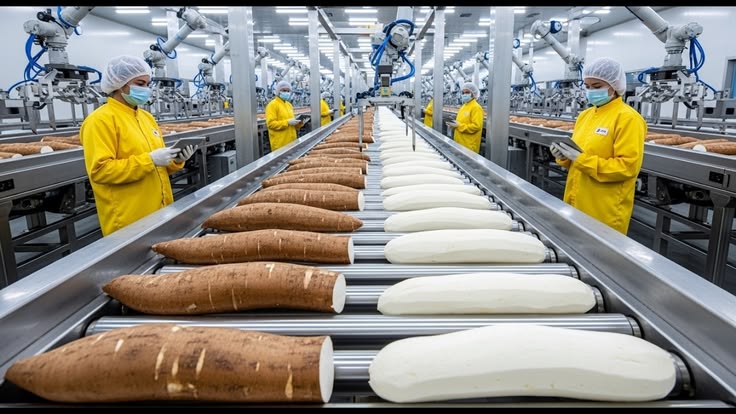
For decades, much of Africa's agricultural wealth has left the continent in its rawest, least profitable form. Cocoa beans are shipped out and turned into chocolate elsewhere. Cashews are exported unshelled and processed abroad. Cassava is sold as a raw tuber rather than converted into the starches, flours and industrial glucose that fetch far higher prices. Each of these transactions hands the most valuable part of the supply chain to processors outside Africa. That pattern is now widely seen as the single biggest inefficiency in African agriculture, and therefore the single biggest opportunity for investors willing to build processing capacity closer to the farm gate.
Why Processing Pays Better Than Planting Turning a raw commodity into a finished or semi-finished good extends its shelf life, reduces waste from spoilage, and unlocks new buyers, from regional food manufacturers to export markets. A tonne of processed cassava starch, for instance, is worth substantially more than the same volume of raw tubers, and it is far less vulnerable to the post-harvest losses that erode profits before produce even reaches a buyer. This is why agricultural economists and investment advisers increasingly point to rural processing facilities, for crops such as cassava, cocoa, cashew and palm oil, as the highest-leverage place to deploy capital in the sector.
Sponsored
The Jobs And Trade Dividend Processing investment does more than improve margins. It creates local jobs in factories and logistics, reduces the volume of food lost between farm and market, and strengthens a country's negotiating position in regional trade. As tariff barriers fall under continental trade reforms, processed agricultural goods are also positioned to capture a larger share of cross-border commerce than raw commodities ever could.
The Investment Case, Simplified For an investor comparing options across the agribusiness value chain, agro-processing offers a rare combination: strong demand fundamentals, a clear efficiency gap to close, and government policy that is increasingly designed to reward exactly this kind of investment. It is, in short, where the raw potential of African farming turns into realised financial value.