A new chapter for agricultural mechanisation
Ethiopia is placing farm machinery and agricultural technology at the centre of its efforts to improve productivity. Two developments announced in October 2026 highlight the direction of this push: renewed Ethiopia–China cooperation on mechanising teff production and a Japan-supported initiative to modernise the country’s rice sector.
These developments are significant because mechanisation is not simply about putting more tractors in fields. It is about helping farmers complete time-sensitive operations, reduce avoidable losses and connect production with processing and markets.
For Ethiopia, where smallholder agriculture remains important to rural livelihoods, the challenge is to ensure that machinery is appropriate for local farming systems and accessible to producers beyond the largest commercial operations.
the largest commercial operations.
Japan-backed grant targets rice production and processing
On 30 September 2026, Ethiopia and Japan signed a grant agreement worth JPY 360 million, reported by Ethiopia’s Ministry of Agriculture as approximately ETB 375 million, to support modernisation of the country’s rice sector. The agreement was reported on 1 October.
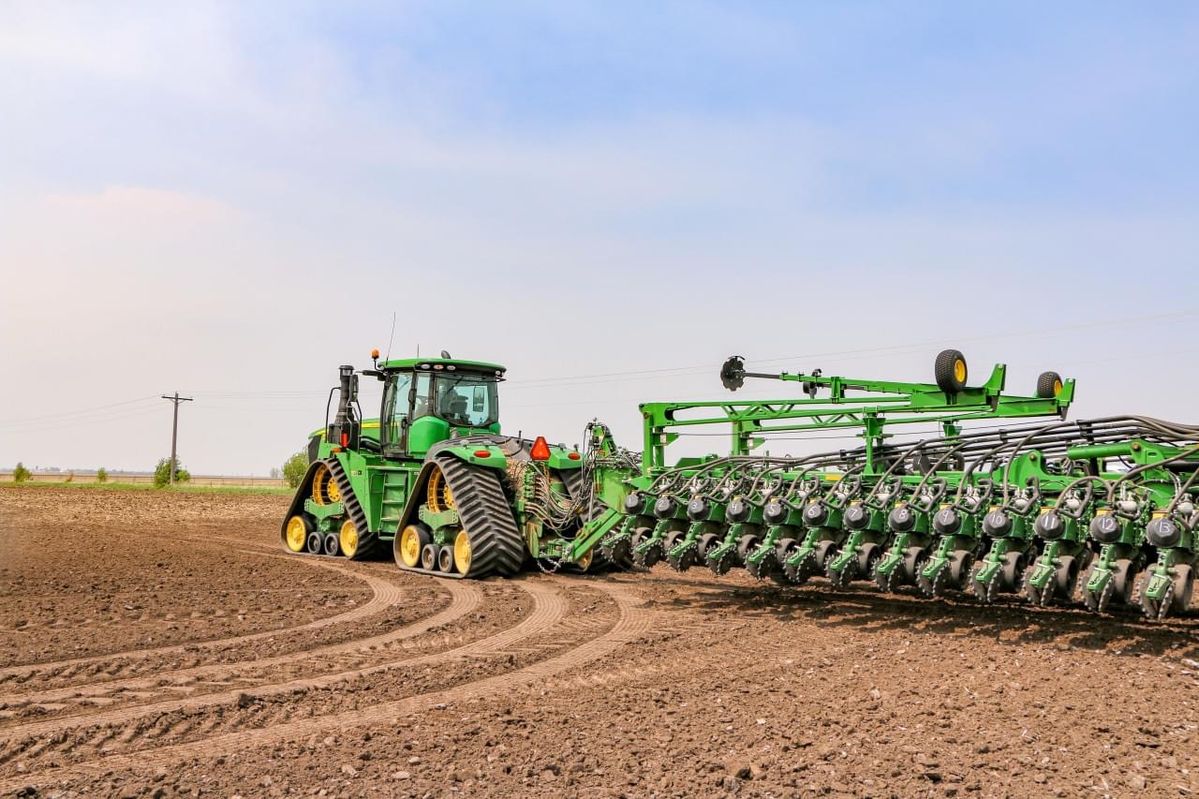
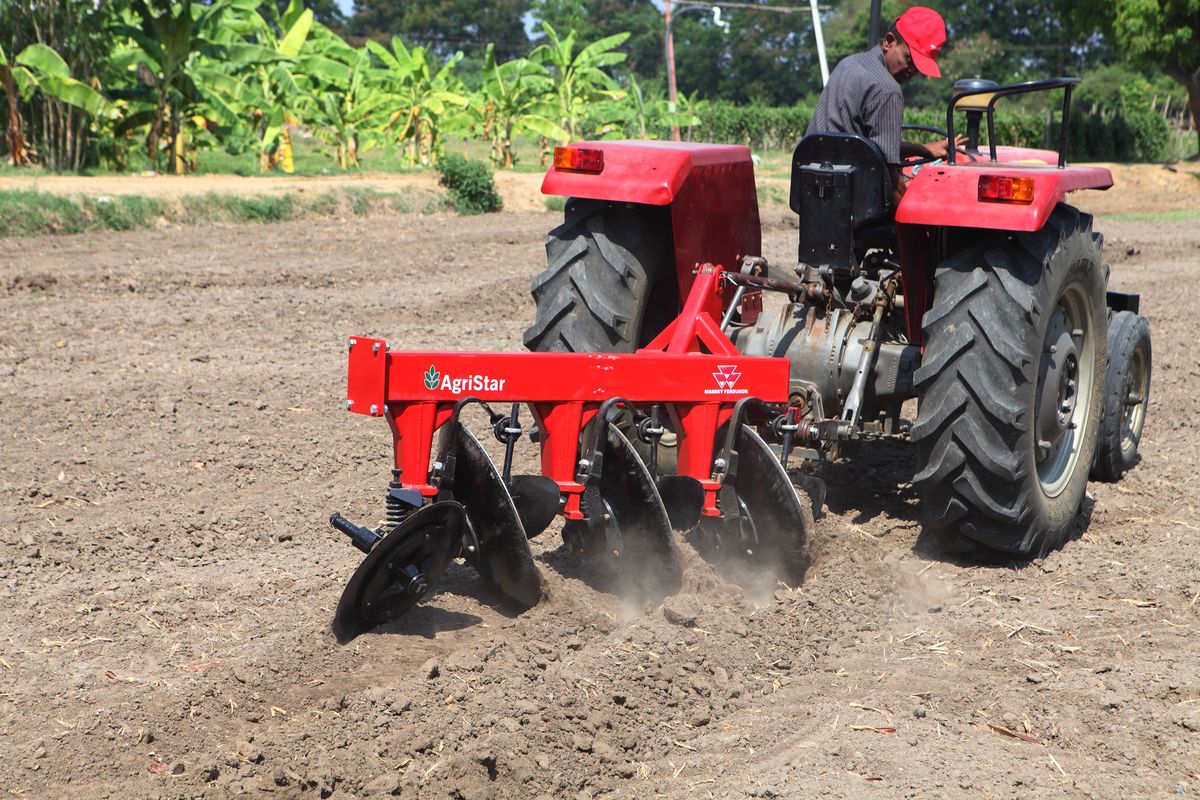
The planned equipment includes combine harvesters, tractors, rice-milling machines and land-preparation equipment. The initiative is intended to strengthen rice production, improve processing efficiency and reduce post-harvest losses.
The combination of field machinery and milling equipment is particularly important. Harvesting more rice will have limited commercial value if farmers cannot process it efficiently, preserve its quality or deliver it to buyers at competitive costs.
Combine harvesters can bring several harvesting operations together, potentially reducing labour requirements and the time crops remain exposed to field and weather risks. Milling equipment can help improve the conversion of harvested paddy into marketable rice, although results will depend on machine quality, operator skills, maintenance and how the equipment is managed.
The grant represents a planned investment in equipment, not proof that the machinery has already delivered higher yields or reduced losses. Its eventual impact will depend on procurement, deployment and whether farmers can access the services.
Teff mechanisation returns to the spotlight
A second development emerged on 13 October 2026, when Ethiopia’s Ministry of Agriculture announced renewed discussions with China on agricultural mechanisation, particularly for teff production.
Teff is a staple cereal in Ethiopia and is closely associated with the country’s food culture and farming systems. Mechanising its production presents specific technical challenges because the crop’s small grains and planting requirements demand equipment capable of handling operations accurately.
According to the ministry, the two sides agreed to assess the performance and status of machinery previously developed and tested under a teff mechanisation initiative. The assessment is intended to inform decisions about financing and possible renewed implementation.
This review is an important step. Machinery developed for another crop or production system may not work effectively for teff without adjustment. Field conditions, planting methods, harvesting requirements and the size of farms all influence whether a machine is practical.
The assessment could help determine which technologies are ready for further development and what improvements may be required before wider adoption. It is, however, too early to conclude that the renewed discussions have already resulted in widespread deployment or measurable gains for farmers.
Why the machinery alone is not enough
Sponsored
The experience of mechanisation programmes often depends as much on service delivery as on the equipment itself.
A tractor or harvester that breaks down during a critical operation can cause costly delays, particularly when weather conditions create a narrow planting or harvesting window. Spare parts, trained operators, fuel, repair services and reliable access to equipment therefore need to be considered alongside the initial purchase.
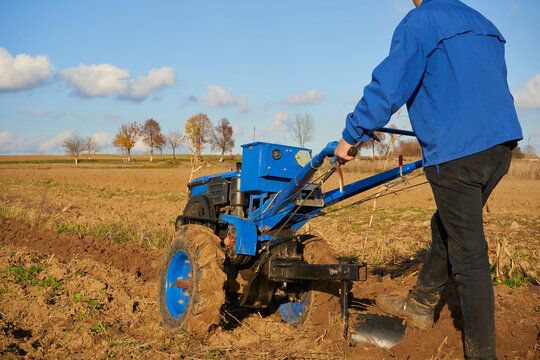
For smaller farmers, purchasing a machine individually may not be financially realistic. Cooperative ownership, machinery-hire services and shared equipment centres can offer alternatives by spreading costs across multiple users.
These arrangements still require sound management. Farmers need transparent hire charges, clear booking systems and maintenance plans that keep machinery available when it is needed most.
The distribution model will also matter for the new rice-sector investment. Equipment delivered to an institution or cooperative creates an opportunity, but the benefit depends on how efficiently it reaches farmers and how fairly access is organised.
Mechanisation must connect production to the market
A more mechanised farm does not automatically become a more profitable farm. Farmers need to understand whether savings in labour and time outweigh machinery hire, fuel, repairs and other operating costs.
For rice producers, the link between harvesting, milling, storage and marketing will be especially important. Better equipment can support production, but reliable buyers, appropriate storage and processing capacity help determine whether the additional output generates income.
For teff growers, equipment must be suitable for the crop and local conditions. Testing machinery in real farming environments and collecting feedback from operators can help prevent investment in technologies that perform poorly outside demonstration settings.
Government agencies, research institutions, equipment suppliers, cooperatives and farmers all have a role in making mechanisation practical rather than simply visible.
Opportunities for Ethiopia’s agricultural equipment industry
The renewed initiatives also create potential opportunities for machinery distributors, local workshops, fabricators, mechanics, spare-parts suppliers, technology developers and training providers.
As equipment use expands, demand may grow for operator training, preventive maintenance, repairs and machinery-hire services. These supporting businesses can be essential to keeping machinery operational beyond the initial delivery or demonstration period.
There may also be opportunities for local researchers and manufacturers to adapt imported technologies to Ethiopian crops and field conditions. Such development takes testing, technical capacity and investment, but it can help create machinery better suited to the needs of local producers.
What comes next?
Ethiopia’s October 2026 developments show that agricultural mechanisation is receiving renewed attention through both international cooperation and domestic agricultural modernisation efforts.
The next test is implementation: whether equipment is delivered and maintained effectively, whether the teff machinery assessment produces practical solutions, and whether farmers can access machinery at a cost justified by their expected returns.
For Ethiopia, the real measure of mechanisation will not be the number of machines delivered, but the number of farmers who can use suitable equipment reliably and profitably. If the initiatives connect machinery with training, maintenance, processing and market access, they could help build a stronger foundation for agricultural productivity and rural enterprise.