Zambia's 2025/2026 farming season delivered exactly the kind of result policymakers hope for: a record harvest. What's missing, a week into July, is clarity on price — and farmers are starting to feel the squeeze of that uncertainty.
The Numbers: A Genuinely Big Harvest
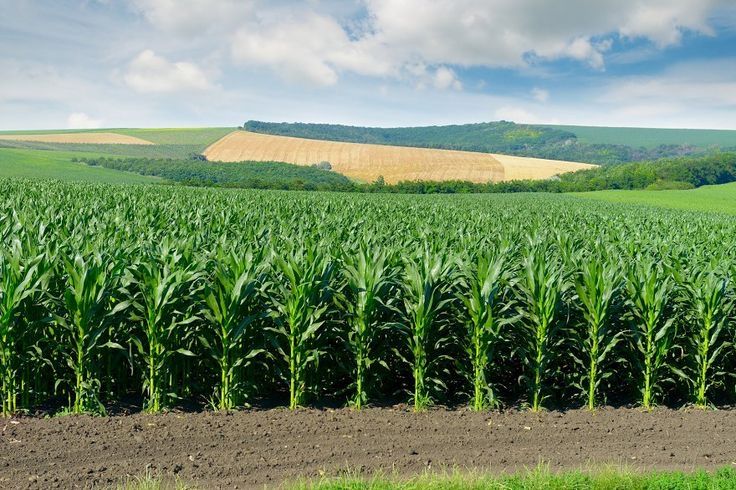
According to the latest Crop Forecast Survey from the Zambia Statistical Agency, the country is projected to produce roughly 4.94 million metric tonnes of maize this season, alongside smaller harvests of wheat, rice, sorghum, and cassava. Factoring in 1.77 million tonnes of opening stocks already on hand as of May, Zambia's total maize-equivalent availability for the marketing year sits at around 7.8 million tonnes — comfortably enough to meet domestic needs without food aid imports, according to national food balance projections presented by ZAMSTAT's statistician general. The Food Reserve Agency's own strategic reserve target of 1 million tonnes is enough to cover more than five months of national consumption on its own.
It's a dramatic turnaround from recent years. The FAO's April country briefing for Zambia pointed to a second consecutive year of above-average harvests, helped by good rains since October, with maize reference prices already down 25 percent year-on-year by March and mealie meal prices down 15 percent compared to the same time last year.
The Price Standoff
Here's where the good news runs into a bottleneck. The Food Reserve Agency, which acts as Zambia's buyer of last resort for maize, has not yet announced its buying price for the 2026/2027 marketing season — and farmers' groups are not happy about it.
The Zambia National Farmers' Union has publicly criticised the delay, with union president Zvhikonyo Mahombe warning this week that the absence of a clear price signal is leaving many producers — a large share of whom depend on the FRA as their only realistic buyer — exposed to price volatility, opportunistic buyers, and cash-flow stress at exactly the point in the season when they need to decide whether to sell, store, or transport their grain.
The FRA's own explanation centres on moisture content. Board chairperson Suresh Desai told a Lusaka press briefing that newly harvested maize is currently testing between 14.5 and 18.4 percent moisture — well above the 12.5 percent threshold the agency considers safe for long-term storage without risking aflatoxin contamination, a toxin that poses serious health risks to both humans and livestock. The agency says it will announce its buying price once moisture levels drop into a safer range.
Farmer advocacy groups, meanwhile, have pushed for a specific number: the Small Scale Farmers Development Agency has recommended the FRA set this season's floor price at K400 per 50kg bag. For comparison, the FRA's price for the previous season was set at K330 per 50kg — equivalent to roughly $264 per tonne at the time.
Sponsored
What Farmers Actually Got Paid Last Season
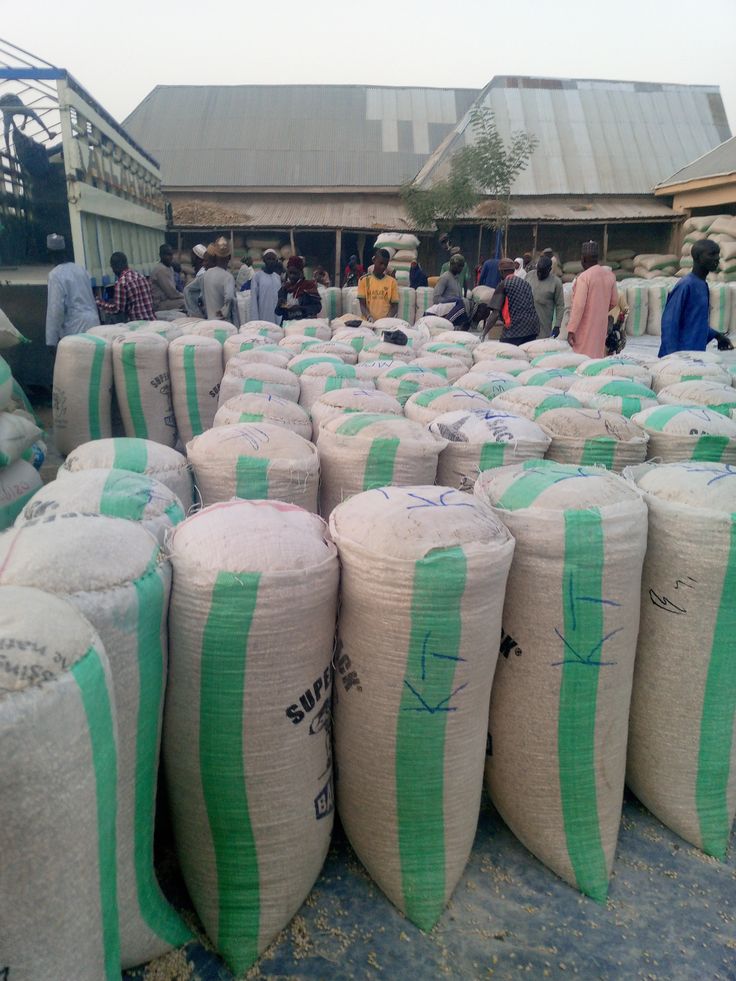
There is at least one piece of encouraging news on the payments front: the government has confirmed that all funds owed to farmers who supplied the FRA during the 2025 crop marketing season have now been fully disbursed. Agriculture Minister Reuben Mtolo confirmed that 846,655 farmers were paid in full for maize sold to the agency, which ended up purchasing over 1.6 million metric tonnes — more than three times its original 543,000-tonne target — for a total of roughly $593 million.
That track record of eventual payment is one reason many smallholders still see the FRA as their most reliable buyer, even amid this year's pricing delay. It's also the digital payments system the ZNFU has welcomed for this coming season, with the agency planning to shift more of its payouts to bank accounts and mobile money platforms rather than manual cheques.
Soya Beans: Firmer, Not Falling
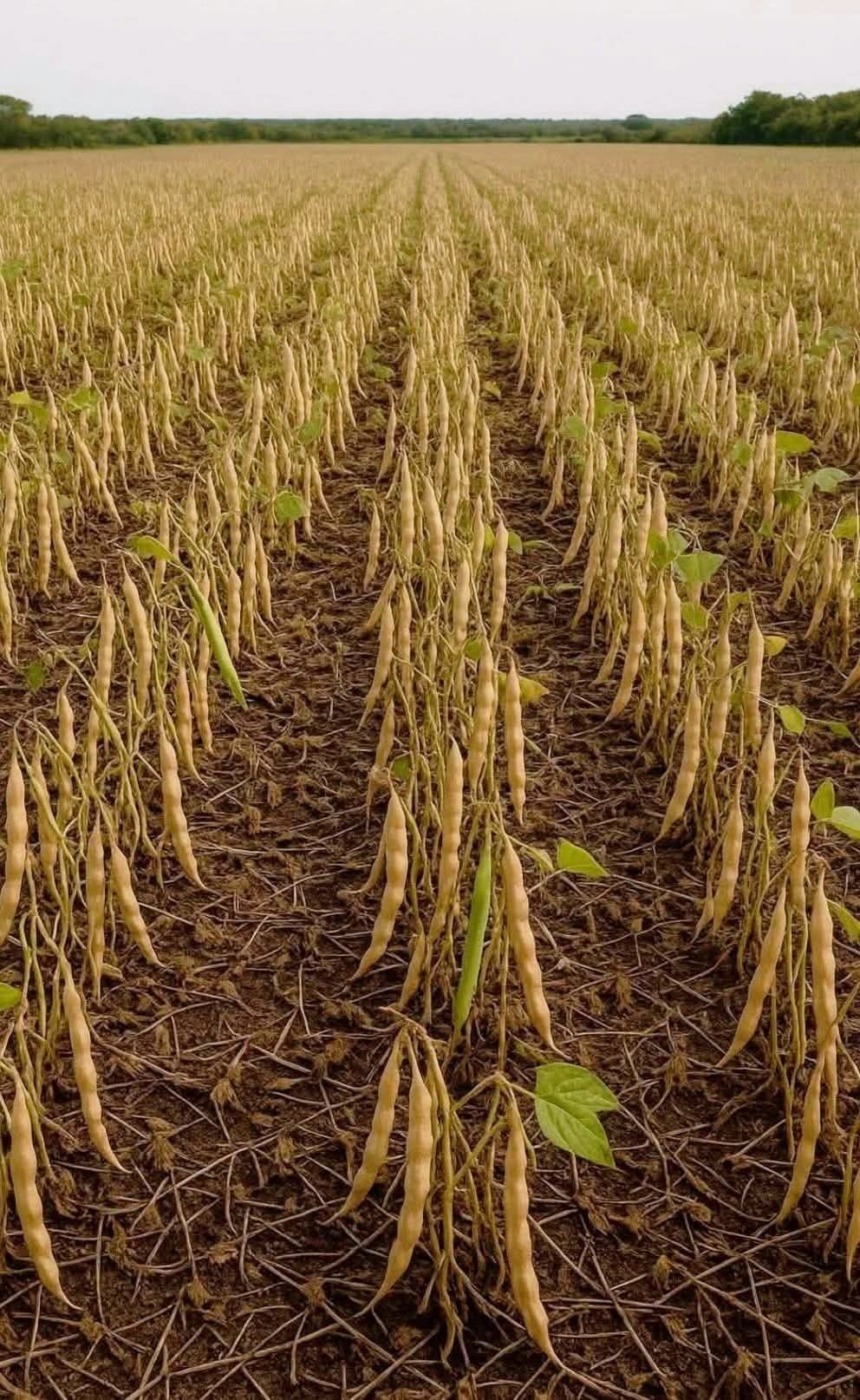
While maize dominates the headlines, soya beans remain the more consistently valuable crop for many Zambian commercial farmers. Current wholesale prices for Zambian soya beans are running in a broad range of roughly $1.73 to $2.60 per kilogram, with retail prices in Lusaka and Kitwe between K46.64 and K70.14 per kilogram — reflecting continued strong demand from the stockfeed, cooking oil, and livestock sectors, a pattern echoed across the region. In neighbouring Zimbabwe, for comparison, soya beans have been trading firm at over $500 per tonne this year on tight local supply, underscoring how stockfeed and livestock demand is keeping regional soya prices well supported even as maize prices ease with bumper harvests.
The Caution Behind the Good News
Not everyone is treating Zambia's bumper harvest as an unqualified win. Trade and investment researcher Barnabas Mwale of the Centre for Trade Policy and Development has cautioned that lower maize prices shouldn't obscure deeper structural vulnerabilities in the country's food system — a caution that gained new weight this year amid warnings that conflict-related disruptions to fuel and fertiliser shipments through the Strait of Hormuz could ripple into food security across parts of Africa. Zambia's IPC-classified "crisis" level food insecurity did fall sharply, from 5.6 million people a year earlier to 1.7 million in the six months to March 2026 — real progress, but still a significant number of Zambians facing acute food stress even in a bumper-harvest year.
What It Means for Farmers Right Now
For Zambian maize farmers sitting on freshly harvested grain, the immediate decision is whether to wait for the FRA's price announcement or sell into the informal market now. With moisture levels still above the safe storage threshold, holding onto grain carries its own risk of spoilage and aflatoxin contamination — adding pressure to a decision that already has real financial stakes attached. Soya bean producers, by contrast, are operating in a steadier pricing environment, with regional stockfeed and livestock demand continuing to support prices regardless of how the maize price standoff resolves.