
Despite the growing success of youth-led agribusinesses across Africa, significant obstacles continue to slow progress. Access to finance remains one of the biggest challenges. Many young entrepreneurs have innovative business ideas but struggle to secure loans because they lack collateral or a proven financial history. High interest rates and limited investment in agricultural start-ups often force many promising businesses to remain small or fail before reaching their full potential.
Climate change is another growing concern. Unpredictable rainfall, prolonged droughts, floods and the emergence of new crop pests and diseases have made farming increasingly risky. For young entrepreneurs just starting their businesses, a single poor season can wipe out months of investment.
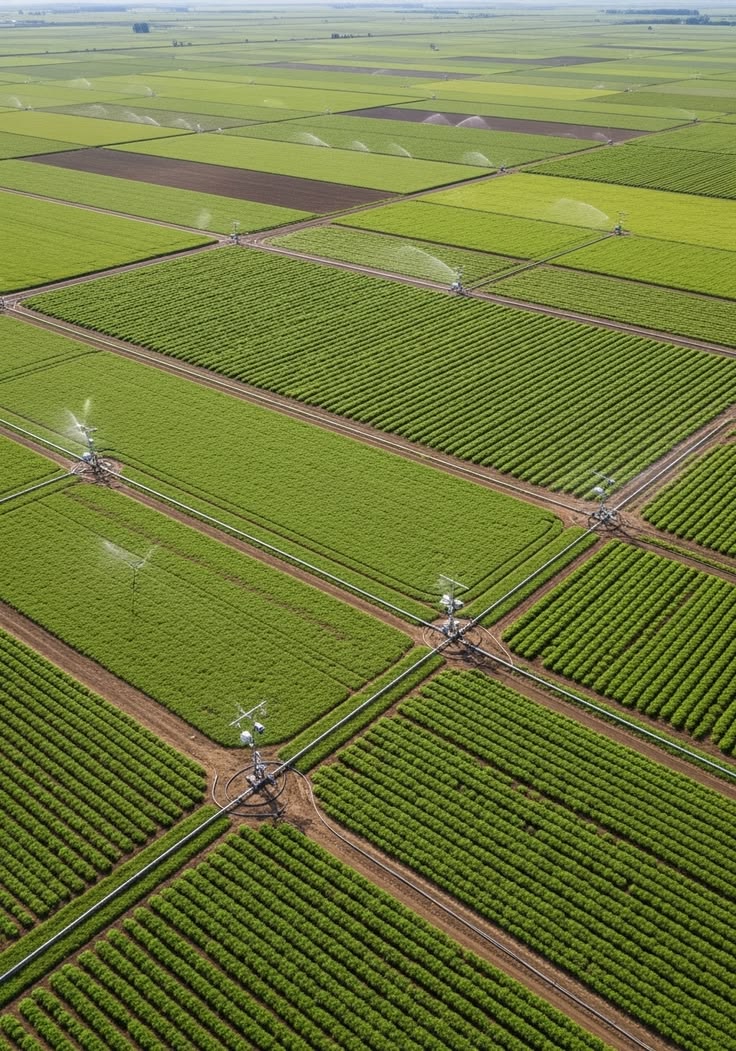
Infrastructure also continues to limit growth. In many rural communities, poor road networks, unreliable electricity, inadequate irrigation systems and a lack of modern storage facilities increase production costs and lead to significant post-harvest losses. Even when farmers produce high-quality crops, reaching profitable markets can be difficult.
These challenges highlight why training alone is not enough. Young agripreneurs also need supportive government policies, affordable financing, improved infrastructure and stronger partnerships with the private sector to help their businesses grow.
Why Partnerships Are Essential
One of the strengths of programmes like ENABLE Youth is that they recognise agriculture cannot be transformed by one institution alone. Successful agricultural development depends on collaboration between governments, research institutions, financial organisations, universities and private companies.
Research organisations develop improved crop varieties and innovative farming technologies. Financial institutions provide the capital needed for business expansion. Governments create policies that encourage investment, while the private sector opens access to markets and new technologies.
When these stakeholders work together, young entrepreneurs are better equipped to overcome the barriers that have traditionally discouraged youth from entering agriculture.
The International Institute of Tropical Agriculture (IITA) has played an important role in creating these partnerships by linking scientific research with practical solutions that reach farmers and agribusiness owners across Africa. Through training, mentorship and knowledge sharing, young entrepreneurs gain access to innovations that can improve productivity and strengthen the resilience of their businesses.
Feeding Africa's Future
Sponsored
Africa's population is expected to continue growing rapidly over the coming decades, increasing the demand for food, employment and sustainable economic opportunities. Meeting this demand will require more than expanding farmland. It will depend on producing more food efficiently while protecting natural resources and adapting to climate change.
Young people are uniquely positioned to lead this transformation.
They are often quicker to adopt new technologies, more willing to embrace innovation and better equipped to respond to changing market demands. From digital agriculture and greenhouse production to food processing and agritech solutions, Africa's next generation of entrepreneurs is demonstrating that agriculture can be both profitable and impactful.
Initiatives like ENABLE Youth are helping to build this future by equipping young Africans with the knowledge, confidence and practical skills needed to create businesses that strengthen food systems and improve livelihoods.
The programme's impact extends far beyond individual entrepreneurs. Every successful agribusiness creates opportunities for suppliers, transporters, processors, retailers and consumers, generating a ripple effect that benefits entire communities.
A New Narrative for African Agriculture
For too long, agriculture has been portrayed as an industry of hardship. Yet across Africa, a different story is emerging—one driven by innovation, technology and entrepreneurship. Young people are proving that farming and agribusiness can offer rewarding careers while contributing to food security and economic growth.
Changing this narrative is essential. When young people see successful agripreneurs building thriving businesses, they begin to recognise agriculture not as a last resort but as a sector filled with opportunity.
As governments, development partners and research institutions continue investing in youth-focused programmes, the continent moves closer to building a resilient agricultural sector capable of feeding its growing population while creating millions of jobs.
The future of African agriculture will not be shaped by technology alone. It will be shaped by the determination, creativity and ambition of the young people willing to transform ideas into enterprises. With the right support, they are not only cultivating crops—they are cultivating a more prosperous future for Africa.