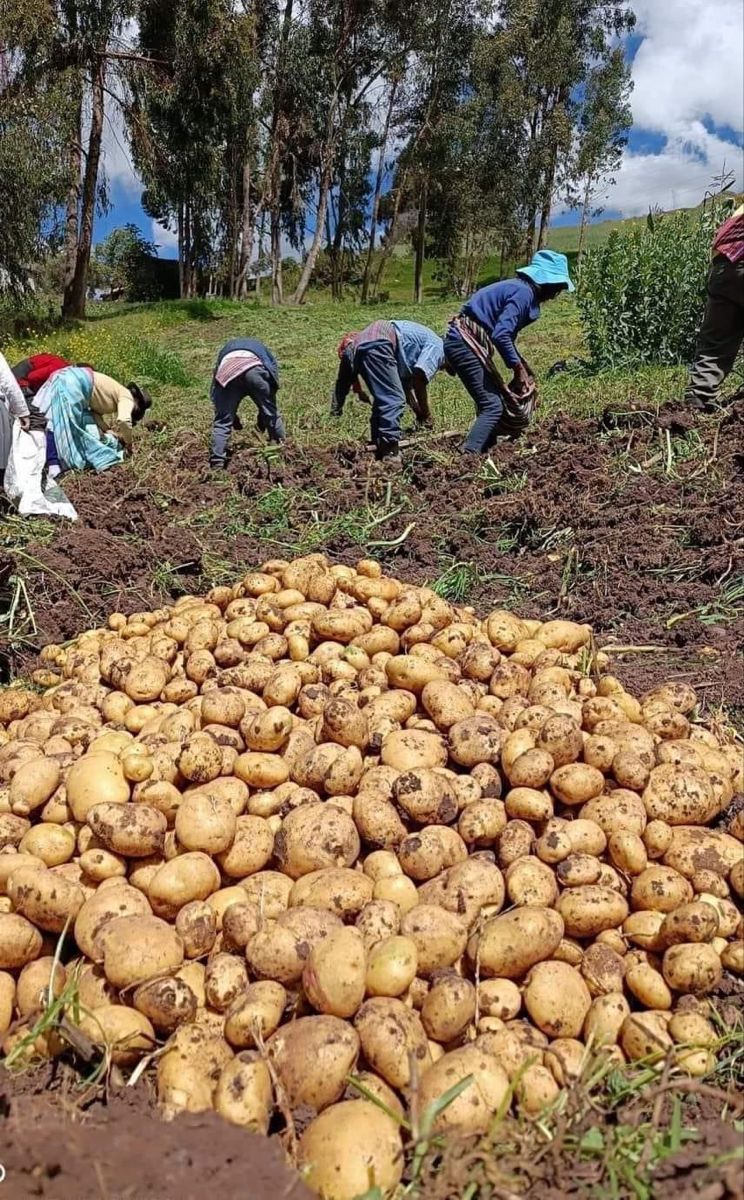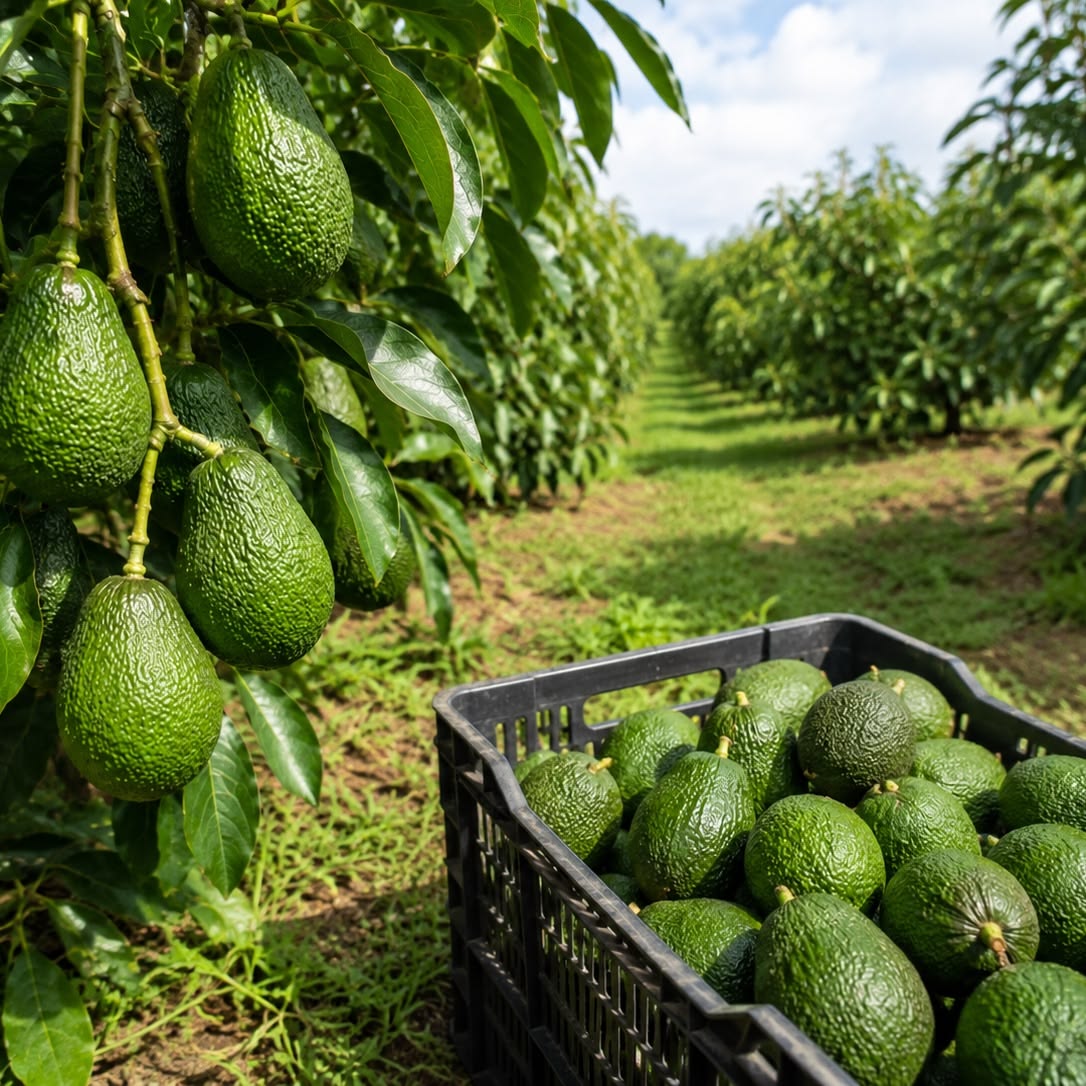
Declining crop yields are often blamed on fertilizer costs, poor rainfall or seed quality, yet in many cases the underlying problem lies beneath the surface. Continuous cultivation of the same crop on the same land gradually weakens the biological balance of the soil, leading to reduced productivity over time. What many farmers describe as “tired land” is frequently the result of long-term soil stress caused by inadequate crop rotation practices.
Soil fertility extends beyond the presence of nutrients. Healthy soils depend on a balance of biological activity, physical structure and chemical composition. Even when nutrients are available, fields may underperform if soil structure has deteriorated, organic matter levels have declined or pest and disease pressure has intensified. Crop rotation plays a critical role in addressing these challenges by breaking cycles of stress within the farming system and encouraging natural soil recovery.
In Zambia and many other maize-producing regions, continuous maize cultivation remains one of the most common causes of declining soil performance. Repeated maize production can gradually create nutrient imbalances, reduce organic matter and increase the prevalence of weeds, pests and diseases. Because the decline is usually gradual, farmers often compensate with additional fertilizer applications, increasing production costs while achieving only modest improvements in yield.
Sponsored
A well-designed crop rotation programme introduces diversity into the farming system. Different crops interact with the soil in different ways, drawing on varying nutrient reserves and influencing soil biology differently. Legume crops such as soybeans, groundnuts, beans and cowpeas are particularly valuable because they contribute to nitrogen fixation, improve residue quality and help interrupt pest cycles associated with continuous cereal production. Maize grown after a legume crop often performs better because the soil has been given an opportunity to recover and rebalance.
Crop rotation is also one of the most effective long-term strategies for managing weeds, pests and diseases. Monocropping creates stable conditions that allow recurring problems to become established year after year. Rotating crops disrupts these cycles, making it more difficult for pests, diseases and aggressive weeds to persist in the same field. However, successful rotation requires more than simply planting a different crop. Effective systems are built around functional diversity, ensuring that each crop contributes something different to the health and resilience of the soil.
Ultimately, long-term yield stability is closely linked to soil management. Farms that maintain disciplined rotation programmes tend to preserve soil structure, improve water retention, enhance nutrient efficiency and sustain biological activity for longer periods. Crop rotation should therefore be viewed not as an optional practice but as a central component of sustainable agricultural production. By allowing the soil to recover between production cycles, farmers can build more resilient and productive farming systems capable of delivering consistent results over time.