Across Angola, agriculture is undergoing a gradual but significant transformation as farmers increasingly adopt modern machinery to improve productivity and ease the burden of manual labour. From tractors and irrigation systems to livestock feeding equipment, mechanization is reshaping how food is produced, processed, and managed in rural communities.
For decades, most smallholder farmers relied almost entirely on hand tools such as hoes and machetes. While these tools remain in use, they limit the scale of production and the efficiency of farm operations, particularly in a country seeking to expand food security and reduce reliance on imports.
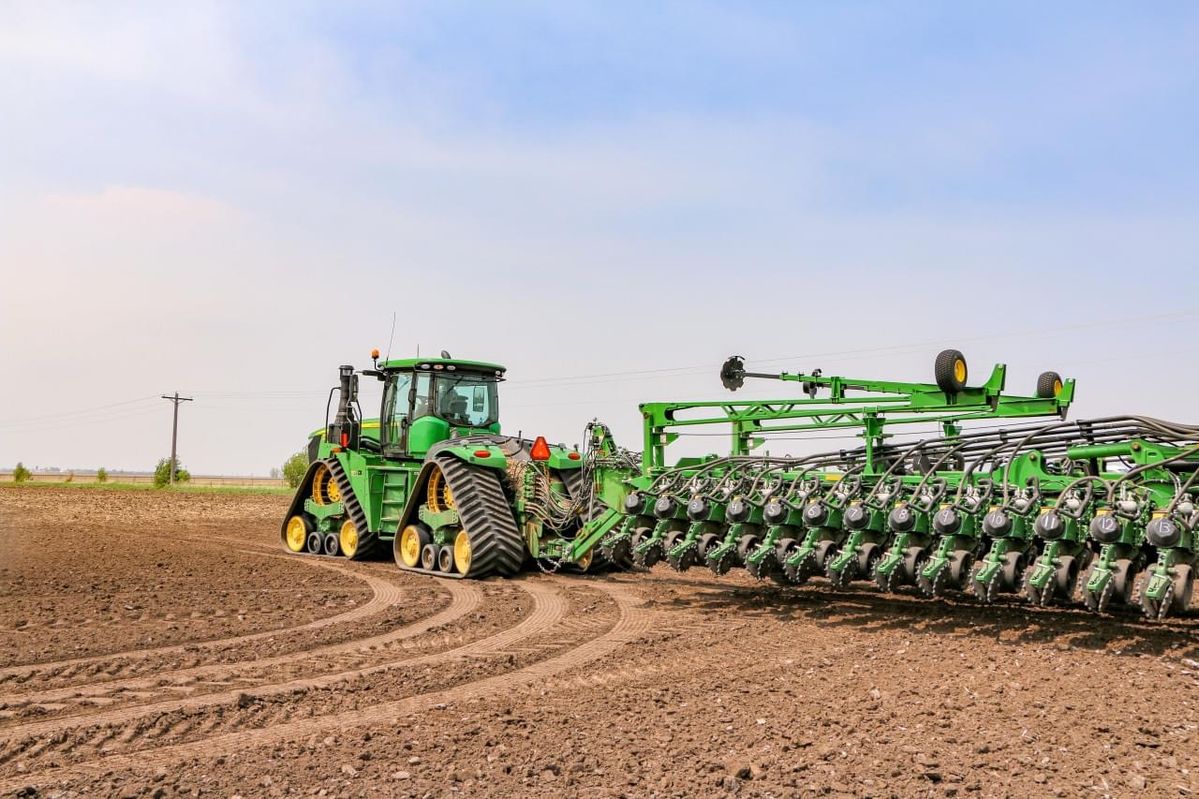
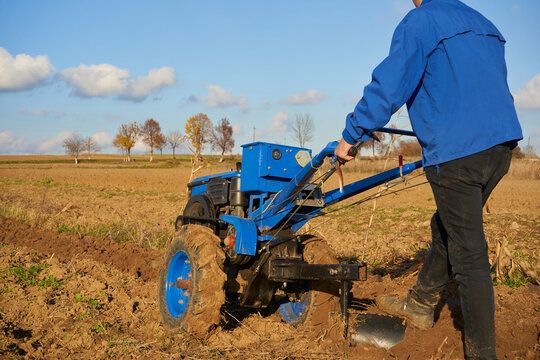
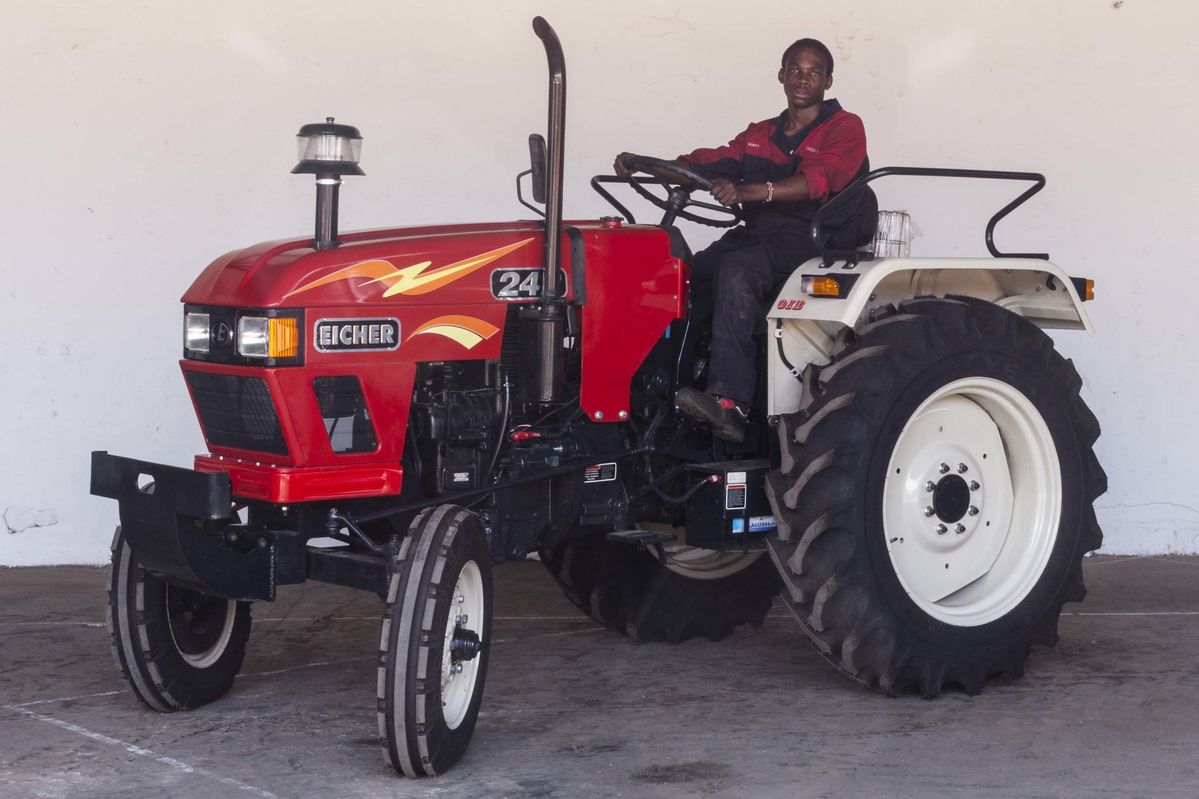
That reality is now beginning to change. A growing number of farmers are gaining access to tractors, mechanical planters, harvesters, and water pumps. These tools are enabling faster land preparation, improved planting accuracy, and reduced post-harvest losses. “Using a tractor has changed the way we work,” said a farmer in central Angola. “What used to take several weeks can now be done in just a few days.”
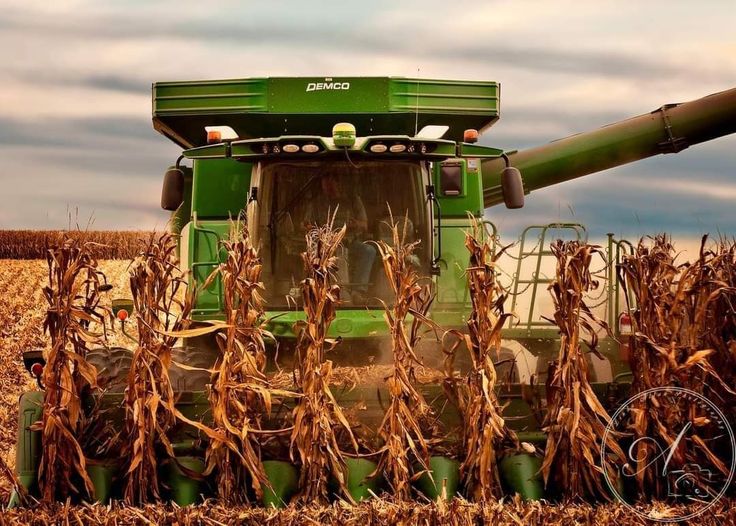
The impact of mechanization is being felt across both crop and livestock systems. Crop farmers producing maize, beans, soybeans, and other staples are able to cultivate larger areas and better align planting schedules with seasonal rainfall patterns, improving overall yields.
In the livestock sector, farmers are increasingly adopting feed-processing equipment, improved watering systems, and modern housing structures to enhance animal health and reduce manual labour requirements.
Water access remains one of the most significant constraints in parts of Angola, particularly in drought-prone regions. To address this, many farmers are investing in boreholes and solar-powered irrigation pumps, which provide a more reliable and sustainable water supply.
“Before we installed a solar pump, getting water for our cattle was difficult,” said a livestock farmer. “Now we have a reliable water supply and can focus on improving our herd.”
Beyond productivity gains, mechanization is also beginning to reshape perceptions of agriculture among young people. For many, farming has traditionally been associated with hard labour and low returns. The introduction of modern technology is gradually changing that narrative.
“Young people are showing more interest in farming when they see technology being used,” said an agricultural officer. “Machines make farming more productive and more attractive.”
Sponsored
Despite this momentum, significant structural challenges remain. High equipment costs continue to place machinery out of reach for most small-scale farmers. Limited access to financing further restricts adoption, particularly for rural producers who struggle to meet loan requirements or collateral conditions.
Maintenance and spare-parts availability also remain critical bottlenecks. In many rural areas, breakdowns can lead to long delays due to the absence of nearby repair services or supply chains for essential components.
Experts emphasize that training will be central to the long-term success of mechanization efforts. Farmers require not only access to machinery but also the technical skills to operate and maintain it safely and efficiently.
“Buying equipment is only the first step,” said an agricultural specialist. “Farmers also need the skills to use and maintain it effectively.”
In response, equipment-sharing models are gaining traction. Through cooperatives and rental schemes, smallholder farmers can access tractors and machinery without bearing the full cost of ownership. This approach is helping to broaden inclusion while improving efficiency across farming communities.
At the same time, digital tools such as mobile-based advisory services and weather forecasting platforms are becoming increasingly important in supporting decision-making around planting, irrigation, and harvesting.
As Angola continues to strengthen its agricultural sector, mechanization is expected to play a central role in driving productivity growth, improving rural incomes, and creating employment opportunities along the agricultural value chain.
Government programmes, private sector actors, and development partners are all contributing to efforts to expand access to machinery and related services, with the shared objective of building a more resilient and productive farming sector. For many farmers, however, the transformation is about more than technology alone.
“When farmers have access to the right equipment, they can work faster, produce more, and earn better incomes,” said one producer. “That is good for families, communities, and the country as a whole.”
While challenges remain, Angola’s growing adoption of agricultural machinery signals a broader shift toward modernized farming systems. With sustained investment in equipment, financing, and training, mechanization could become a key driver of long-term agricultural development and rural prosperity.