The country’s agricultural sector accounts for more than 80 percent of export earnings and directly or indirectly employs over 60 percent of the workforce. However, like many countries in Southern Africa, Malawi continues to grapple with numerous challenges in the sector, many of which were worsened by the severe drought experienced during the 2023/2024 rainy season. Although the country is now on a recovery path, the sector still has a long way to go before it can sustainably support households and contribute fully to national economic growth.
A report by the Malawi Confederation of Chambers of Commerce and Industry highlighted several challenges limiting the sector’s productivity potential. Among the major concerns identified were vulnerability to weather-related shocks, lack of structured markets, minimal adoption of modern agricultural technologies, and underdeveloped irrigation systems.
Malawi’s susceptibility to weather-related shocks remains one of the biggest threats to progress in the agricultural sector. The effects of droughts, cyclones, and erratic rainfall patterns continue to disrupt production and food security. As such, greater investment in irrigation systems is urgently needed to reduce dependence on rainfall and support year-round farming.
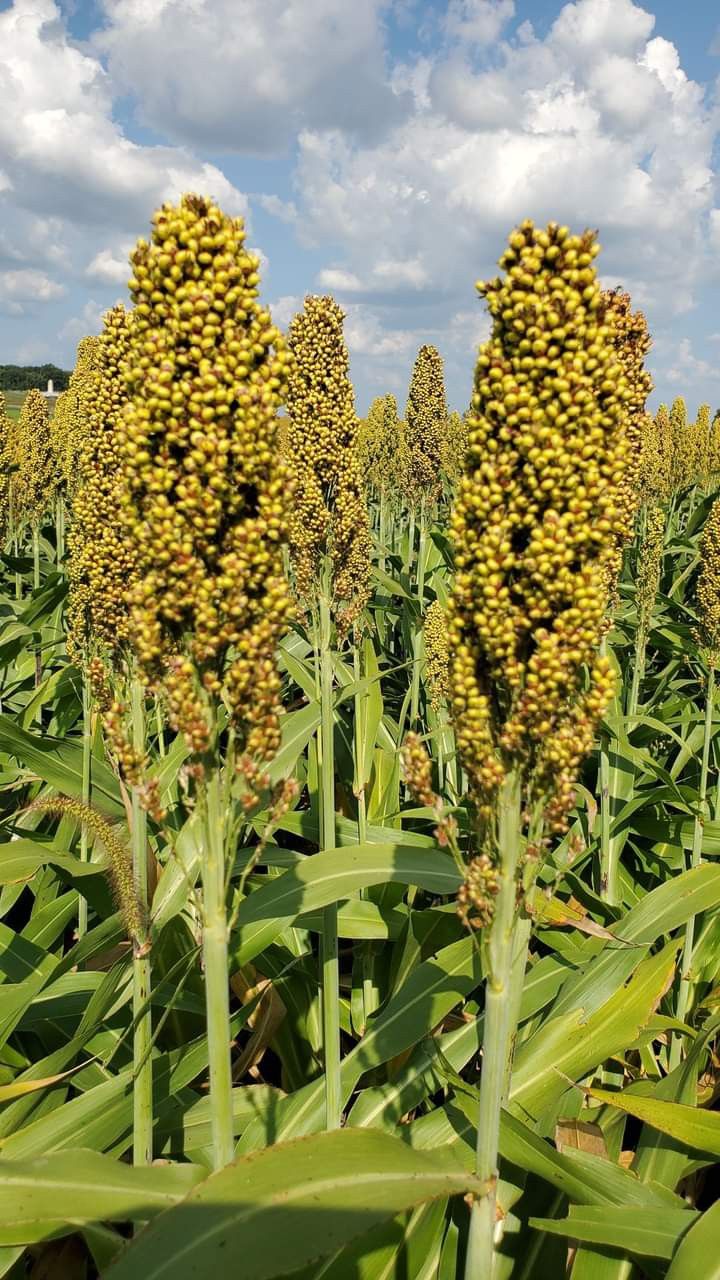
Additionally, there is a need to encourage farmers to grow more drought-resistant crops to help communities adapt to climate change and reduce crop losses during dry seasons.
Another major challenge is the limited adoption of agricultural technology. Low mechanization and inadequate access to modern farming equipment continue to affect productivity, efficiency, and sustainability. Increased investment in agricultural technology, including affordable loans and financing for farmers, could significantly improve crop yields while reducing labor costs and resource wastage.
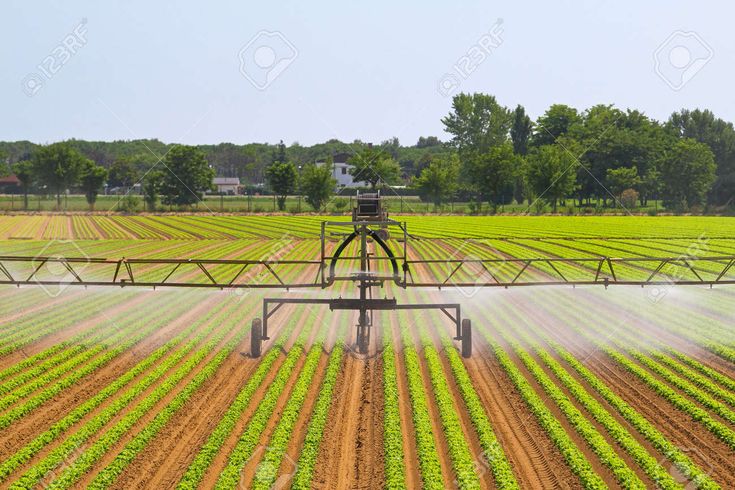
The underdevelopment of irrigation systems is also a critical issue. With proper investment in irrigation infrastructure, farmers would be able to engage in year-round farming instead of relying solely on seasonal rainfall. This would increase crop production and strengthen national food security. There is also a need for government subsidies on irrigation equipment, as many small-scale farmers cannot afford such technologies.
Weak market structures remain another significant problem. Many rural farmers are often exploited by informal or “briefcase” buyers who purchase produce at very low prices. The lack of organized and reliable export markets further discourages farmers from increasing production because they struggle to sell excess produce profitably. Improved communication systems are also necessary to ensure farmers are informed about official market prices during crop marketing seasons.
Despite these challenges, Malawi has demonstrated awareness of the issues affecting the agricultural sector and has begun implementing strategies aimed at improving productivity and sustainability.
One such initiative is the Malawi 2063, commonly known as MW2063. The strategy, launched in January 2021, serves as Malawi’s long-term development blueprint and succeeds the Vision 2020 framework.
According to a report by the Japan International Cooperation Agency, the first ten-year implementation plan under MW2063, known as MIP-1, runs from 2021 to 2030 and identifies priority areas aimed at transforming the country’s economy. MW2063 is anchored on three key pillars:
Sponsored
Agriculture Productivity and Commercialization - Industrialization - Urbanization Under the Agriculture Productivity and Commercialization pillar, the focus areas include: - Agricultural diversification - Irrigation development - Anchor farms - Agricultural inputs - Mechanization - Structured markets
Agricultural research, innovation, and dissemination These initiatives demonstrate the government’s commitment to improving the agricultural sector, a move widely considered commendable.
The emphasis on agricultural productivity and commercialization is expected to promote crop diversification beyond traditional cash crops such as tobacco and tea. Diversification could improve food security while increasing export earnings from surplus production. Commercialization is also expected to create structured markets where farmers can sell produce at fair and regulated farm-gate prices. This would motivate farmers to increase production, knowing there are reliable markets for their goods.
Another important policy measure is the National Agriculture Policy 2024–2029. The policy outlines Malawi’s vision for agricultural development between 2024 and 2029 and aligns partly with the MW2063 implementation plan.
The National Agriculture Policy also emphasizes capacity strengthening and risk management. This is particularly important given Malawi’s vulnerability to weather-related disasters such as cyclones and droughts. Strengthening risk management systems will help the country adopt a more proactive rather than reactive approach to disaster preparedness and response.
Malawi has also launched the National Rice Development Strategy II for the period 2024 to 2030. The strategy aims to establish a sustainable, competitive, and commercially vibrant rice sector that contributes to economic growth and food security.
The strategy focuses on four major objectives:
Strengthening human and institutional capacities along the rice value chain Promoting sustainable and market-oriented rice production systems Improving competitiveness among smallholder rice farmers in both rain-fed and irrigated farming Increasing rice production and productivity by improving efficiency across the entire rice value chain These developments show that Malawi is not merely formulating policies but is actively implementing them. However, achieving meaningful transformation in the agricultural sector will require adequate resource allocation. The Comprehensive Africa Agriculture Development Programme recommends that African governments allocate at least 10 percent of national budgets to agriculture and rural development, with the goal of achieving agricultural growth of at least six percent annually.
Although Malawi has allocated substantial resources to agriculture in recent financial years, including the 2024/2025 and 2025/2026 budgets, the allocation in the 2024/2025 budget stood at 8.5 percent, below the CAADP recommended threshold.
There are also concerns regarding how agricultural funds are distributed. Critics argue that a significant portion of the allocated budget is directed toward implementing priority projects under the MW2063 first ten-year implementation plan, potentially limiting funding available for other urgent agricultural needs.
Nonetheless, Malawi’s ongoing policy reforms and development strategies provide hope for the future of the agricultural sector. With increased investment, improved market systems, stronger climate resilience measures, and greater support for farmers, the sector has the potential to become more productive, sustainable, and commercially competitive.