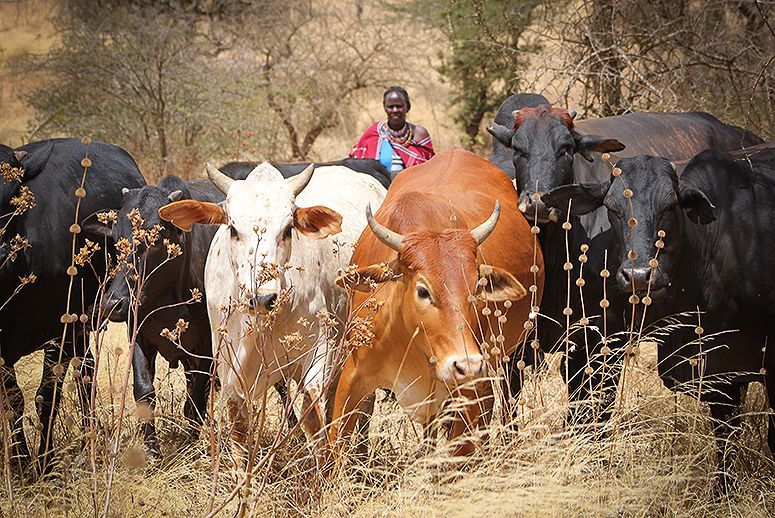
Kenya’s agricultural sector is undergoing a significant transformation as modern technology continues to reshape farming and livestock production. With agriculture remaining a key contributor to the country’s economy, the government and private sector are investing heavily in innovative solutions aimed at increasing productivity, improving food security, and enhancing farmers’ incomes. One of the most notable developments is the government’s investment of Ksh 5 billion to support pastoralists and modernize the livestock sector. The initiative seeks to improve livestock management, strengthen disease control measures, and enhance market access for farmers. This investment is expected to benefit thousands of livestock keepers across the country.
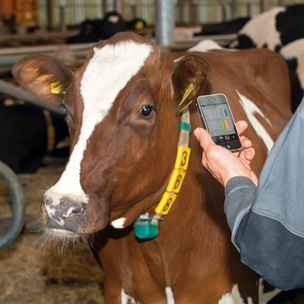
A major component of this modernization drive is the introduction of the Animal Traceability System (ANITRAC). The digital platform uses tamper-proof microchips and ear tags to identify and track animals in real time. Through geolocation technology, farmers and authorities can monitor livestock movements, helping to reduce theft and improve disease surveillance.
The ANITRAC system also positions Kenya to compete more effectively in international markets. Global buyers increasingly require proof of animal origin and health records before importing livestock products. By providing accurate traceability data, Kenya can meet export standards and unlock new market opportunities for livestock producers.
Sponsored
In the poultry industry, farmers are increasingly adopting automated and climate-controlled housing systems. Modern poultry houses are equipped with automated feeding equipment, nipple drinking lines, and environmental control systems that regulate temperature and ventilation. These innovations help maintain optimal conditions for poultry production throughout the year.
The adoption of smart poultry technologies has significantly improved efficiency and reduced production costs. Automated feeding systems minimize feed wastage while ensuring birds receive adequate nutrition. Climate sensors continuously monitor environmental conditions and automatically adjust ventilation systems, promoting healthier flocks and increased egg production.
Renewable energy is also playing a critical role in agricultural modernization. Solar-powered water pumps are becoming increasingly popular among livestock and crop farmers, especially in remote areas without reliable electricity. These systems provide a cost-effective and environmentally friendly alternative to fuel-powered pumps, reducing operational expenses and improving access to water.