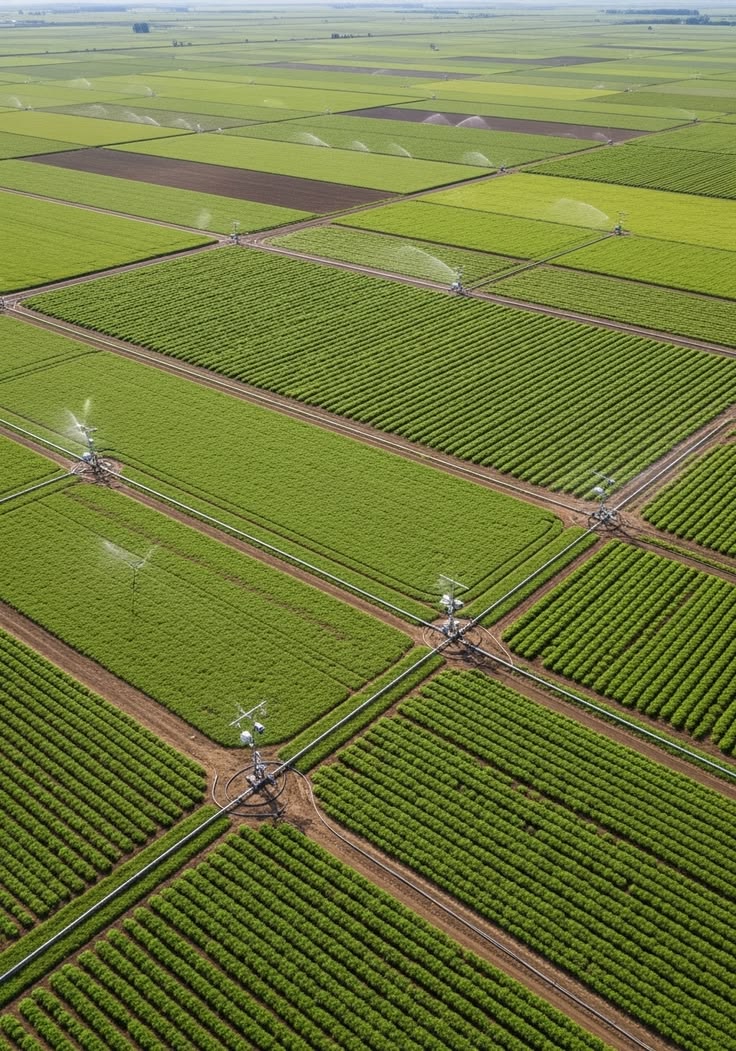
Africa's food and agriculture market is on a steep upward path, moving from an estimated $280 billion in annual value toward a projected $1 trillion by 2030. That is not a marketing figure dreamed up to attract headlines; it reflects a continent whose population is growing faster than its food production, whose cities are expanding at record speed, and whose appetite for grains, animal protein and processed foods is outpacing what local farms currently supply. For investors, that gap between demand and supply is precisely where the opportunity sits. A market growing this quickly, from a low base, tends to reward the capital that arrives early rather than the capital that waits for certainty.
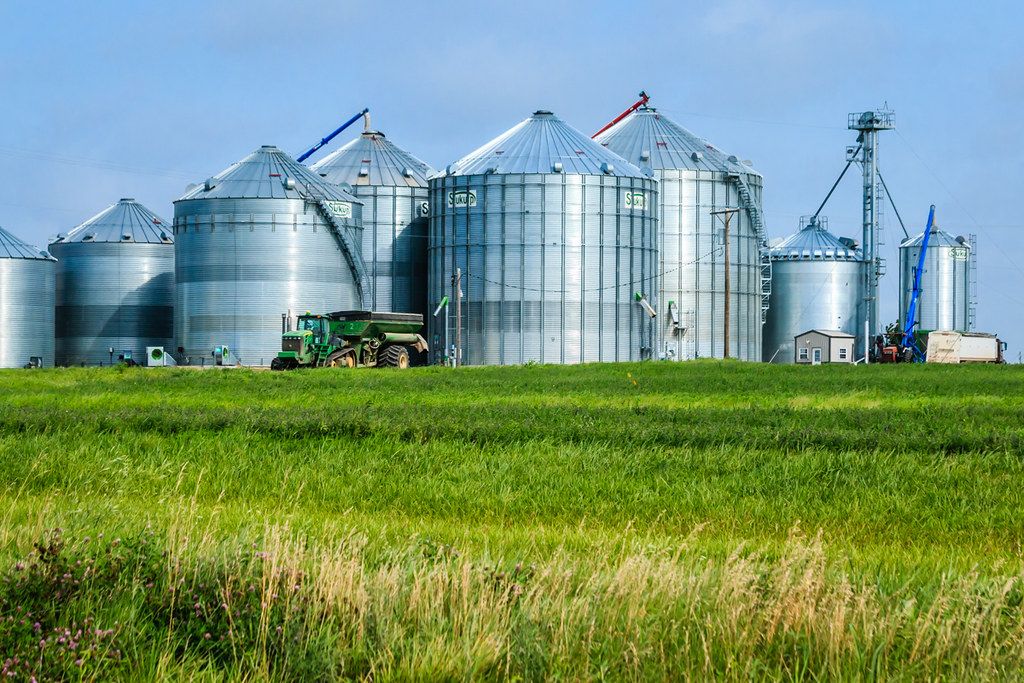
From Subsistence Farming To Strategic Agribusiness The old picture of African agriculture as a subsistence activity, dominated by smallholder plots and rain-fed harvests, is fading. In its place is a more strategic, commercially minded sector where success depends less on how hard a farmer works the land and more on where that farmer, or investor, sits along the value chain — from input supply to processing to distribution. This shift matters because it changes where the money should go. Owning farmland is no longer the whole story. The bigger returns are increasingly found in processing raw produce into packaged, branded, exportable goods, and in the logistics that move that produce to market before it spoils.
Sponsored
Where The Capital Is Actually Flowing Development finance institutions, regional development banks and a growing number of private funds are aligning behind this thesis. Public money is being used increasingly to de-risk private investment, particularly in mechanisation, agro-processing and climate-smart production, rather than to fund farming directly. That signals a maturing market: one where governments and multilateral lenders see their role as clearing obstacles for private capital, not replacing it.
What This Means For Investors Today The takeaway for anyone eyeing the sector is straightforward. The continent's food economy is recession-resistant by nature, demand is structural rather than cyclical, and the biggest gains are likely to accrue to those who move into processing, storage and distribution now, ahead of the crowd that will inevitably follow once the $1 trillion figure becomes common knowledge rather than a forecast.