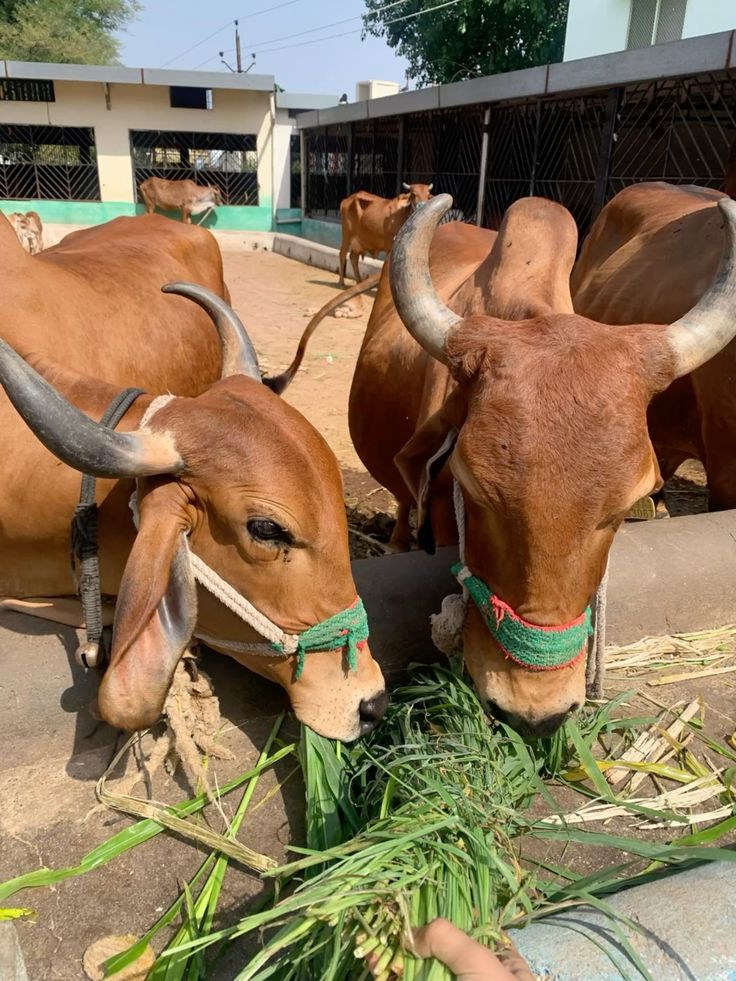
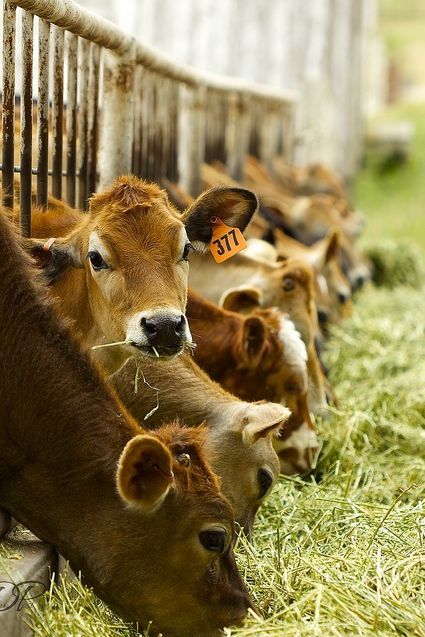
Livestock farming continues to be one of the most important economic activities across Africa, supporting millions of people through poultry production, cattle rearing, goat farming, milk production, and meat distribution.
For many rural families, livestock farming is more than just a business. It is a major source of food, employment, and household income. Across the continent, products such as beef, milk, eggs, chicken, and goat meat remain in high demand, helping boost local economies and improve livelihoods.
However, despite the sector’s importance, livestock farming in Africa is facing growing threats from animal diseases and climate change, both of which continue to affect productivity, trade, and food security.
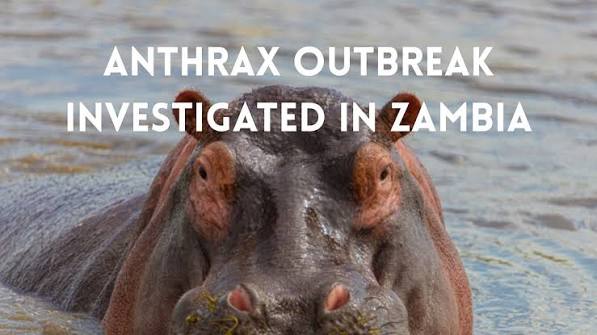
One of the major challenges affecting farmers is the outbreak of livestock diseases. Among the most common is Foot-and-mouth disease, a viral disease that affects cattle, goats, sheep, and pigs. Several African countries, including Zambia, Kenya, Botswana, and South Africa, have recorded outbreaks in recent years.
The disease has forced governments to introduce strict control measures to prevent further spread. Zambia recently suspended livestock imports from South Africa as part of efforts to protect local farmers and strengthen disease control measures.
Farmers are also battling other serious diseases such as Newcastle disease in poultry and African swine fever in pigs. These outbreaks have resulted in huge losses, especially among small-scale farmers who depend on livestock farming for survival.
Agricultural experts say limited access to veterinary services, vaccines, and proper animal health systems has made it difficult for many farmers to manage disease outbreaks effectively.
Sponsored
At the same time, climate change is worsening conditions for livestock farmers across the continent. Prolonged droughts, rising temperatures, and changing rainfall patterns have reduced water availability and grazing land in many regions.
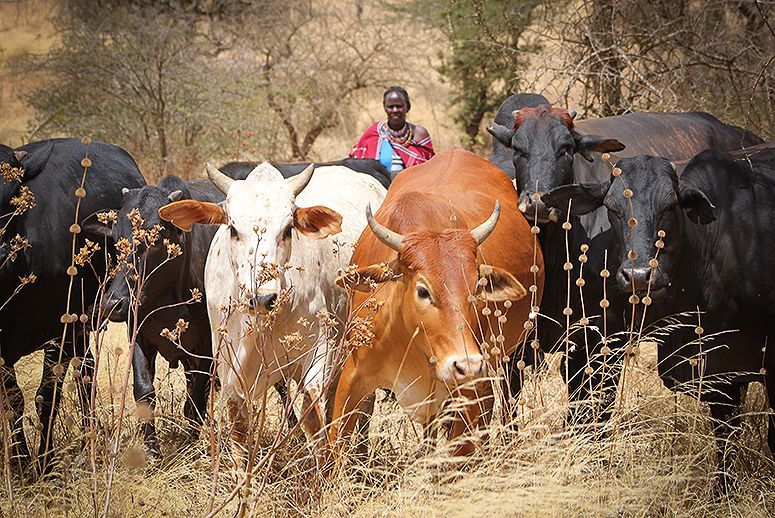
In countries like Kenya, drought conditions have reportedly reduced milk production and caused the deaths of thousands of animals due to lack of pasture and water. Farmers in dry regions are now being forced to move long distances in search of grazing land and water sources for their animals.
Experts warn that climate change could continue to affect livestock productivity if African countries fail to invest in climate adaptation measures. They say improved irrigation systems, sustainable farming methods, and better livestock management practices are critical in helping farmers cope with harsh weather conditions.
Despite these challenges, governments and agricultural organizations across Africa are investing in modern livestock farming technologies aimed at improving production and reducing losses.
Some countries have partnered with international organizations to support projects worth millions of dollars targeting dairy farming, poultry production, goat farming, and climate resilience for small-scale farmers.
Modern technologies such as improved animal breeds, automated poultry systems, and disease monitoring systems are helping farmers increase efficiency and improve food security.
In Zambia, agricultural companies and farmers continue to expand poultry and livestock production using modern farming technologies. The government and private sector are also encouraging farmers to strengthen disease prevention measures and adopt better farming methods.
Experts say the livestock sector remains critical to Africa’s economic growth, employment creation, poverty reduction, and food production. They have since called for increased investment in animal health systems, climate resilience programs, and farmer support initiatives to secure the future of livestock farming across the continent.