Africa is taking another significant step toward protecting its crops, strengthening food security, and expanding agricultural trade after eighteen countries joined the latest phase of a continent-wide programme designed to modernize plant health systems through digital technology and regional cooperation.
The expansion of the Africa Phytosanitary Programme (APP) marks one of the largest collaborative efforts undertaken to improve the early detection, monitoring and reporting of destructive plant pests and diseases across Africa. By equipping national plant protection specialists with advanced digital tools, standardized surveillance methods and specialized technical training, the programme seeks to strengthen countries' ability to respond quickly to emerging threats before they spread across borders.
The initiative comes at a critical time for African agriculture. Climate change, expanding international trade, increased movement of goods and people, and changing ecosystems have contributed to the emergence and spread of invasive pests capable of causing devastating crop losses. Protecting crops from these threats has become an increasingly important priority for governments seeking to improve food production while maintaining access to lucrative export markets.
Building a Stronger Continental Defence Against Crop Pests
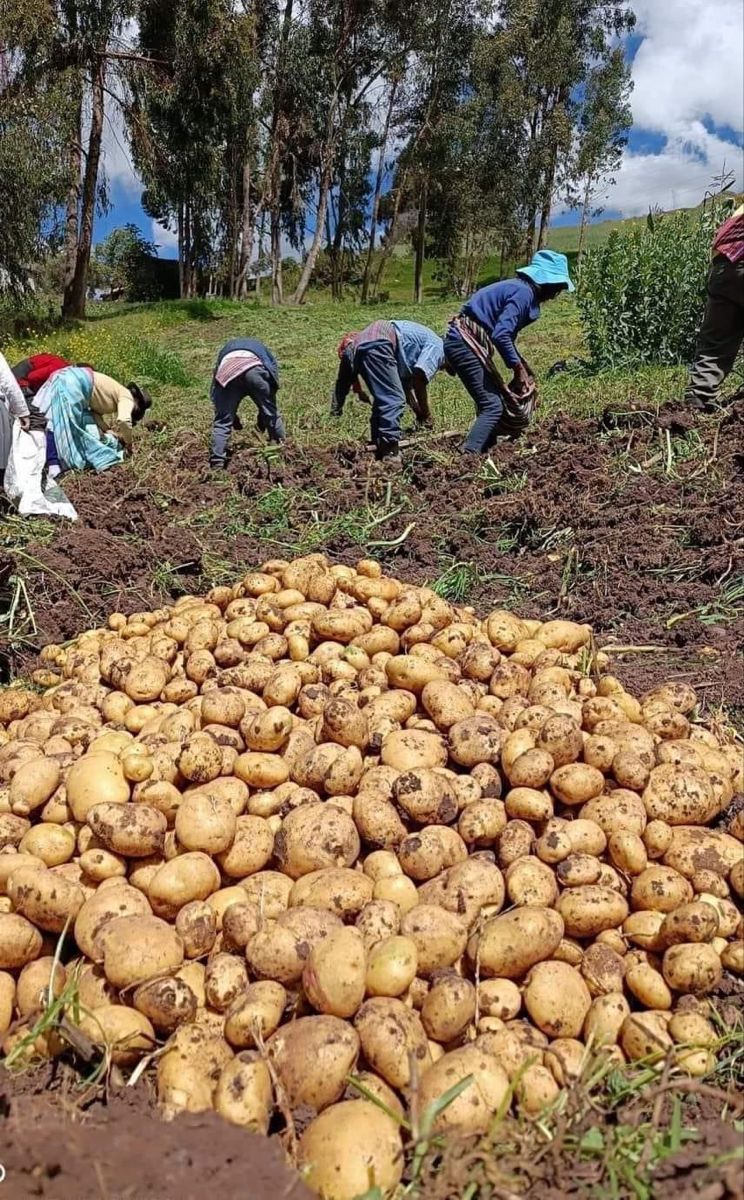
Plant pests remain one of the most significant challenges facing global agriculture. According to international estimates, pests and plant diseases destroy substantial portions of annual crop production, reducing farm incomes, threatening national food supplies and increasing production costs for farmers.
For Africa, where agriculture supports millions of livelihoods and contributes significantly to national economies, stronger phytosanitary systems are increasingly viewed as an economic necessity rather than simply an agricultural requirement.
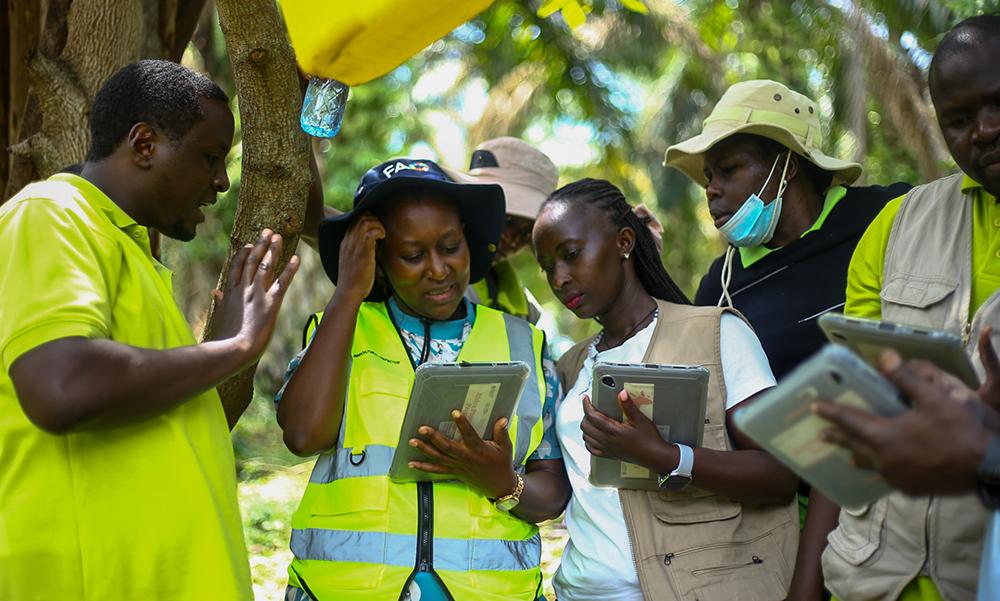
The newest phase of the programme brings together specialists from eighteen countries, including Botswana, Burkina Faso, Côte d'Ivoire, Ethiopia, Mozambique, Namibia, Nigeria, Sudan, Togo and several others. During intensive technical training, participants are learning how to use digital mapping technologies, mobile data collection systems and standardized field inspection methods to improve pest surveillance and reporting.
Once the training is completed, these specialists are expected to return home and transfer their knowledge to colleagues working within their respective National Plant Protection Organizations, creating a multiplier effect that strengthens institutional capacity across the continent.
Digital Technology Transforming Plant Protection
Unlike traditional paper-based inspection systems, digital surveillance enables inspectors to record pest observations in real time using tablets and mobile applications while accurately capturing geographical information.
This approach allows agricultural authorities to identify emerging outbreaks much faster, monitor pest movements and coordinate timely responses before infestations become widespread.
Modern surveillance systems also improve the quality of national pest databases, providing governments with reliable evidence to support quarantine decisions, emergency interventions and international trade negotiations.
The increased availability of accurate pest information is expected to benefit farmers by reducing crop losses while helping governments allocate resources more effectively to areas facing the greatest risks.
Supporting Agricultural Trade
Beyond improving crop protection, stronger phytosanitary systems have become increasingly important for Africa's growing agricultural export sector.
International markets require exporting countries to demonstrate that agricultural products comply with internationally recognized sanitary and phytosanitary standards. Failure to meet these requirements can result in shipment delays, rejected consignments and reduced market access.
Sponsored
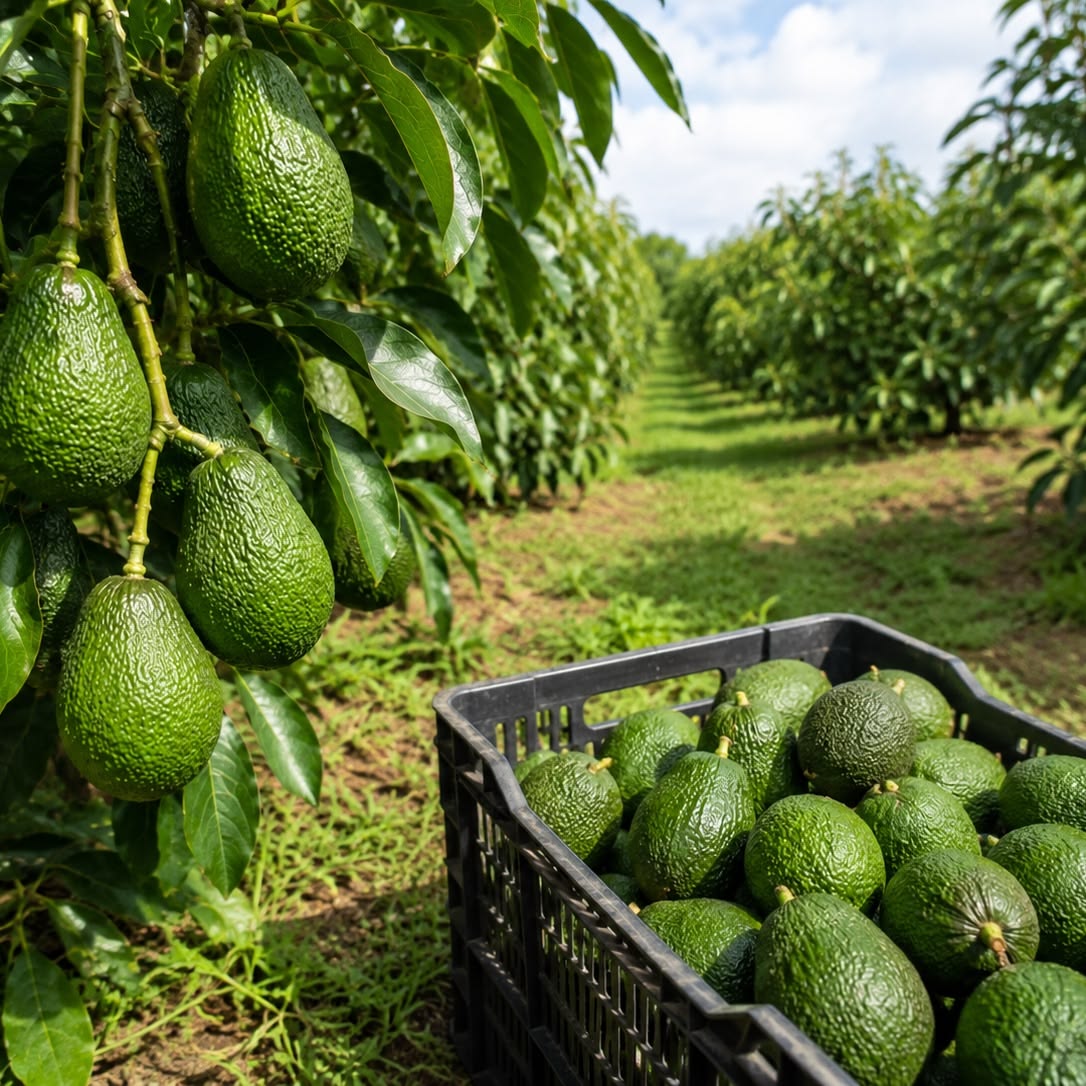
For exporters of fruits, vegetables, grains and other agricultural commodities, reliable pest surveillance systems help build confidence among trading partners by providing documented evidence that crops have been produced under appropriate phytosanitary controls.
Improved compliance with international standards also supports implementation of the African Continental Free Trade Area (AfCFTA), which seeks to increase agricultural trade among African nations while expanding exports to global markets.
Regional Cooperation Becoming More Important
Agricultural pests do not recognize national boundaries. Insects, fungal diseases, bacteria and invasive weeds frequently spread through trade routes, natural ecosystems and changing weather patterns.
Because of these shared risks, experts increasingly emphasize the importance of regional cooperation rather than isolated national responses.
The Africa Phytosanitary Programme encourages participating countries to use harmonized survey methods, standardized reporting systems and compatible digital platforms, allowing information to be shared more efficiently across borders.
This collaborative approach improves preparedness while reducing duplication of effort and enabling faster responses to emerging threats.
Investing in Long-Term Food Security
Agriculture remains the backbone of many African economies, employing a significant share of the continent's workforce while supplying food for rapidly growing populations.
Protecting crops from destructive pests therefore contributes directly to food availability, rural incomes and national economic resilience.
Experts note that investments in plant health frequently generate benefits beyond agriculture by supporting environmental sustainability, reducing unnecessary pesticide use through earlier detection and protecting biodiversity.
Strengthening surveillance systems also allows countries to respond more effectively to future challenges associated with climate variability and changing pest distribution patterns.
Looking Ahead
The continued expansion of digital plant health systems demonstrates Africa's growing commitment to building modern agricultural institutions capable of supporting sustainable production and competitive international trade.
As additional countries adopt advanced surveillance technologies and strengthen cooperation through regional partnerships, the continent is positioning itself to respond more effectively to future plant health challenges while improving market opportunities for farmers and agribusinesses.
Although considerable work remains to strengthen inspection infrastructure, technical capacity and data management systems, the latest expansion of the Africa Phytosanitary Programme represents another important milestone in protecting Africa's crops and supporting resilient food systems.
For millions of farmers across the continent, stronger plant health systems ultimately mean healthier crops, improved productivity and greater confidence that their produce can compete successfully in regional and international markets.