Rwanda, often called the “Land of a Thousand Hills,” has long been celebrated for its breath-taking scenery and remarkable social progress. In 2026, however, the country is earning a new reputation as one of Africa’s most dynamic and forward-thinking agribusiness powerhouses.
Defying the limitations of its small size, Rwanda is carving out a lucrative niche in global markets by focusing on high-value, technology-driven agriculture. Its strategy is not merely about increasing production; it is a comprehensive blueprint for modernization, sustainability, and deeper regional trade integration that is increasingly becoming a benchmark for the continent. At the heart of Rwanda’s agribusiness success is a deliberate focus on quality over quantity, targeting premium export markets. This strategy is most vividly demonstrated by the country’s coffee sector.
In 2025, Rwanda’s coffee export revenues reached a historic high, surging by 65 percent year-on-year to nearly 150 million dollars, while export volumes rose by 39 percent to 23,860 tonnes. A combination of higher global prices, with the average export price climbing by 19 percent to 6.2 dollars per kilogram, and increased production from maturing coffee trees drove this unprecedented performance.
Specialty buyers across the world are taking notice, with key export markets emerging in Belgium, the United States, and China. Rwanda has successfully transitioned from a volume-based trade model to one cantered on value, positioning its high-altitude Arabica Bourbon varieties as premium products on the global market.
Tea, another traditional export crop, continues to provide a stable economic foundation. The sector generated 134 million dollars in export earnings in 2025, reinforcing its role as one of Rwanda’s major foreign exchange earners.
However, the most dramatic growth story is emerging from horticulture. Export revenues from fruits, vegetables, and flowers have nearly tripled in just five years, rising from 28.7 million dollars in 2020 to more than 86 million dollars in 2025. Products such as avocados, onions, and fresh chili are leading this expansion, with exports reaching markets in the United Kingdom, the Netherlands, the United Arab Emirates, and China.
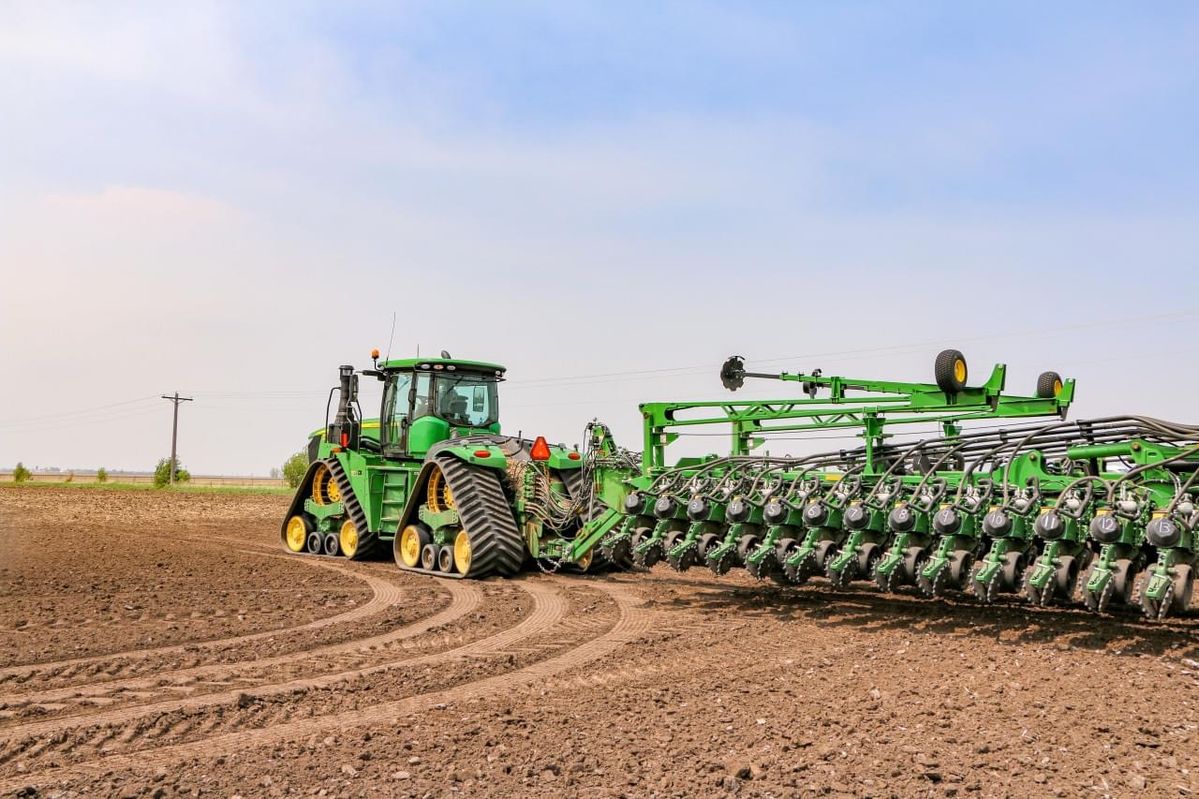
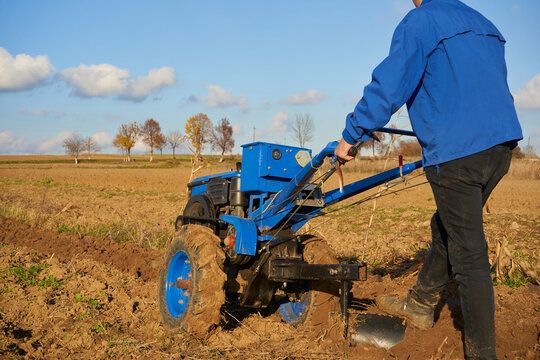
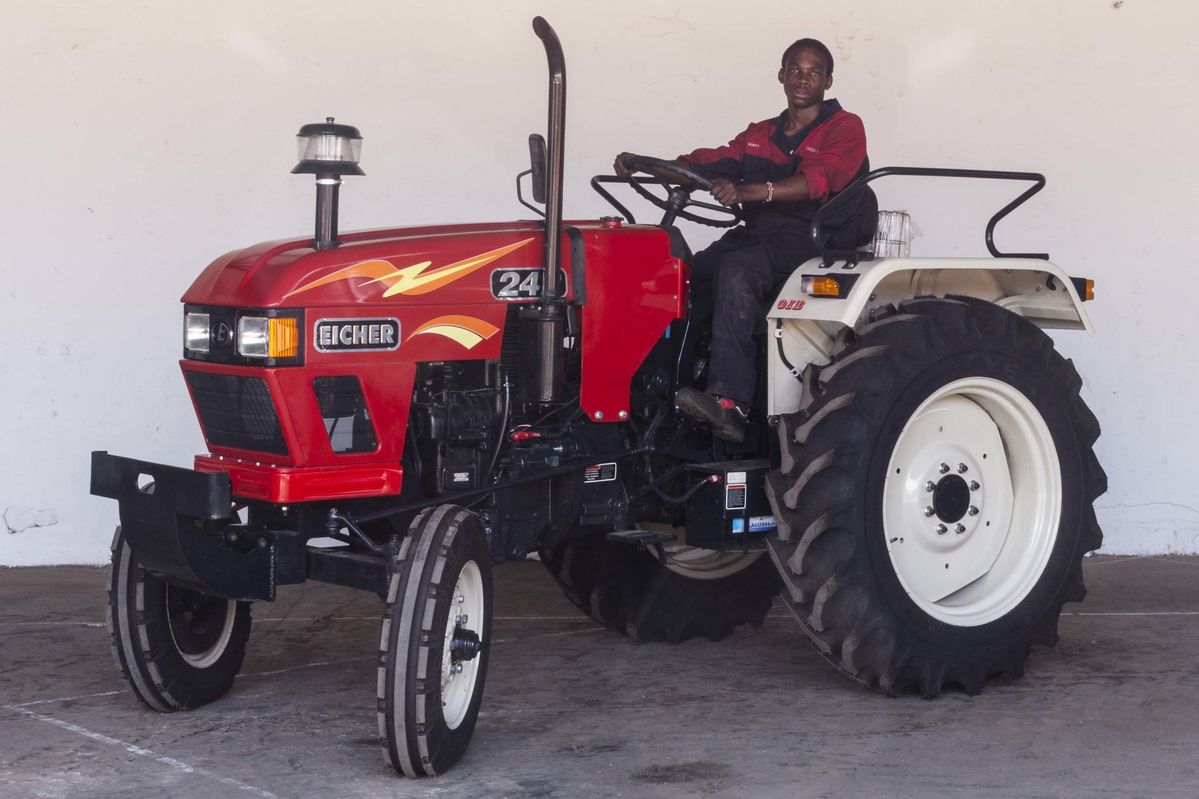
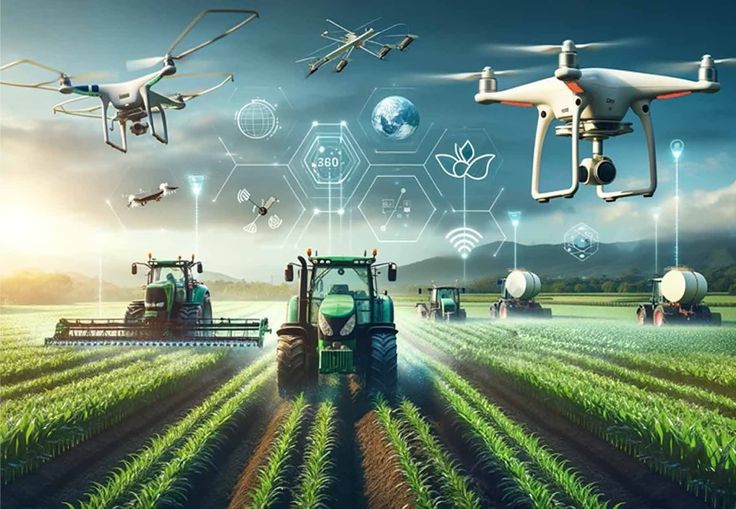
This export boom is supported by an ambitious effort to modernize agriculture through advanced technology. Rwanda is pioneering a digital and precision farming revolution that remains uncommon across much of the continent.
One of the most striking examples is the government’s deployment of Geo-Hub, an artificial intelligence-powered geospatial platform. In a first for Africa, the Rwanda Space Agency is using the platform to monitor the country’s agricultural landscape in near real-time through satellite imagery and machine learning.
The system can map crop types, predict harvest yields, identify plant stress and soil nutrient deficiencies, and even forecast climate-related diseases up to seven days in advance. This enables precise, data-driven decision-making, allowing targeted interventions in irrigation and fertilizer application where they are needed most.
Complementing this digital transformation is a strong focus on soil health. The Rwanda Fertilizer Company has launched customized “Made in Rwanda” fertilizer blends such as Twihaze, Ongera, and Ongera+. Developed using data from the Rwanda Soil Information System, these products address specific nutrient deficiencies in local soils, moving away from the traditional one-size-fits-all approach and increasing yields by more than 20 percent.
Farmers are also increasingly adopting smart irrigation systems, mobile applications for monitoring weather conditions, and hydroponic farming techniques, signalling a sector-wide embrace of innovation.
Sponsored
Rwanda’s push for productivity is closely linked to its commitment to sustainability and climate resilience. The government has launched a comprehensive Climate Smart Agriculture Investment Plan, a 355 million dollar initiative aimed at mobilizing private investment into farming practices that safeguard food systems.
The program focuses on expanding climate-resilient irrigation, strengthening agricultural value chains to reduce post-harvest losses, and promoting sustainable farming methods such as agroforestry.
This effort is complemented by significant international support, including a 78.5 million dollar financing agreement with the International Fund for Agricultural Development to modernize agriculture and strengthen climate resilience.
In addition, the United Nations Joint SDG Fund’s “Rwanda Green Food Future” program is channelling investment toward climate-smart technologies while improving financial access for farmers and agribusinesses in vulnerable districts.
Together, these initiatives reflect a national commitment to adapting and thriving amid climate change and unpredictable weather patterns, while protecting the country’s agricultural backbone and ensuring long-term food security.
Rwanda’s agribusiness vision extends far beyond its borders, positioning the country as a growing hub for regional trade. In a landmark move to overcome logistical bottlenecks, the National Agricultural Export Development Board launched a direct air cargo initiative in early 2026. The first flight, operated by national carrier RwandAir, departed Kigali carrying 17 tonnes of fresh produce directly to Brazzaville in the Republic of Congo, opening a faster and more reliable trade route to Central and West African markets.
By providing shared packhouses and cold storage facilities, the initiative is designed to reduce post-harvest losses and enable even small and medium-sized exporters to compete internationally.
This logistical expansion is strategically aligned with the African Continental Free Trade Area (AfCFTA). Rwanda has identified agro-processing for priority commodities such as tea, coffee, and horticulture as a key pillar of its national AfCFTA implementation strategy.
By leveraging Africa’s expanding single market and signing new bilateral trade agreements with countries such as Botswana, Rwanda is not only increasing exports but also integrating its agricultural economy into a broader continental trade network. Rwanda’s agribusiness sector, once overlooked, now stands as a powerful example of what strategic vision, innovation, and targeted investment can achieve.
The country has built a resilient and forward-looking agricultural model that balances productivity, sustainability, technology, and trade integration. In doing so, Rwanda has established a new benchmark for agricultural modernization in Africa, demonstrating that even a small nation with ambitious ideas can compete effectively on the global stage.
The “Second Sunrise” of Rwanda’s agriculture is therefore not only about coffee or exports. It represents a smart, sustainable, and deeply interconnected economic future driven by innovation and long-term vision.