Ghana’s agricultural sector is undergoing a major transformation aimed at reducing dependence on raw commodity exports, strengthening food security, and promoting industrial growth. Through strategic investments, policy reforms, and climate-smart agriculture, the country is repositioning agriculture as a key driver of sustainable economic development.
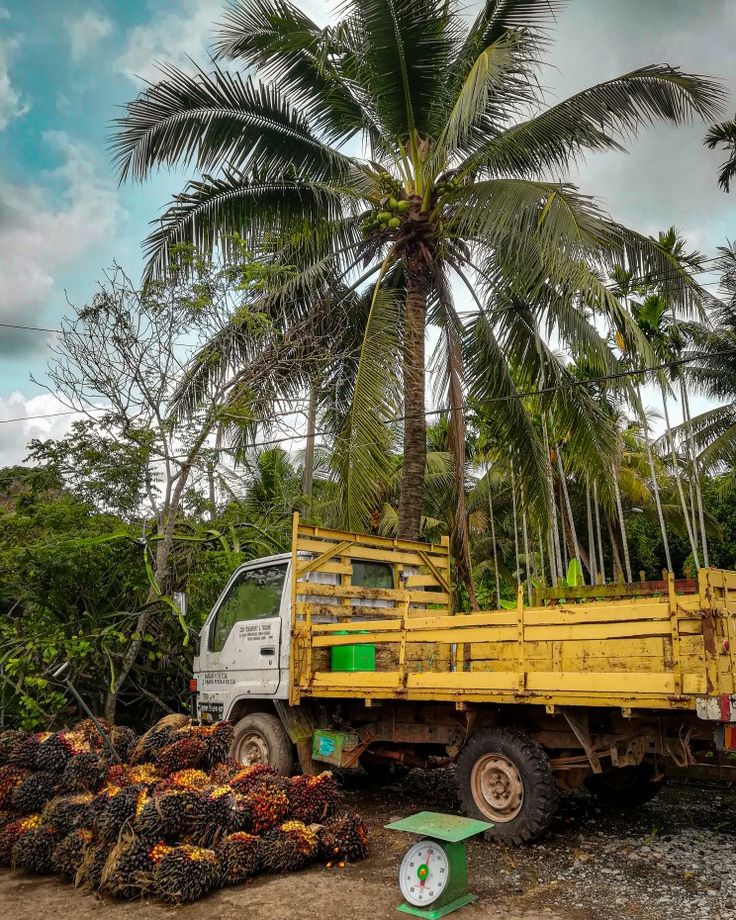
One of the most significant developments is the implementation of large-scale crop diversification programmes under the Ministry of Food and Agriculture. Ghana is shifting focus from traditional reliance on cocoa and other raw exports by expanding investment into oil palm, cashew, coconut, rubber, mango, and shea production. A major component of this strategy is the Tree Crop Expansion and Industrialization Programme, supported by a 500-million-dollar investment targeting the development of 100,000 hectares of new oil palm plantations alongside other commercial tree crops.
To support this transformation, the government has established tree crop enclaves across all 16 regions of the country, with each region concentrating on crops suited to its environmental conditions. The Tree Crops Development Authority, working closely with Ghana Cocoa Board, is providing improved seedlings, technical support, farmer training, and market access. The programme also seeks to ensure that at least 60 percent of tree crops are processed locally to promote value addition and industrialization. Another major intervention is the Feed Ghana Programme, a four-year agricultural transformation agenda running from 2025 to 2028. The initiative focuses on increasing local food production, reducing food imports, supporting agro-industries, creating employment, and expanding exports. Priority value chains under the programme include maize, rice, vegetables, poultry, livestock, and aquaculture.
Several sub-programmes have been introduced under Feed Ghana, including the School Farms Initiative, Youth Agriculture Estate Initiative, Home Gardening and Urban Agriculture Initiative, and the Poultry Farm-to-Table Initiative. These programmes are designed to encourage youth participation in agriculture, improve household food production, and strengthen domestic food systems.
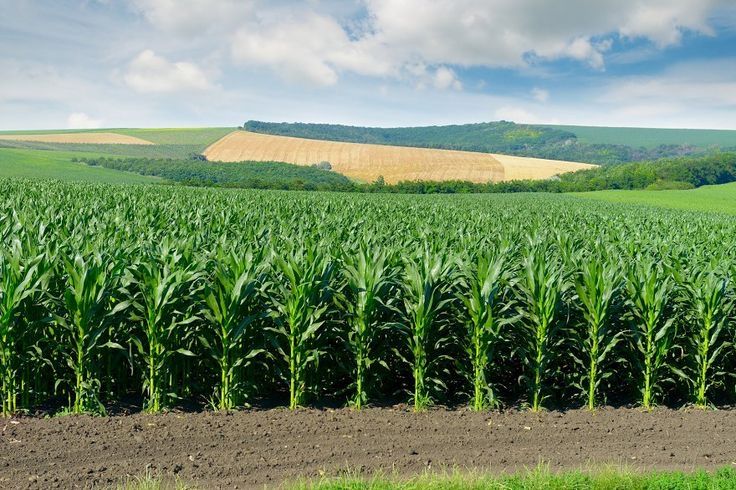
Ghana has also intensified efforts to boost cereal and wheat production. Increased investment in maize and rice farming has led to notable improvements in domestic output. In wheat production, collaborative agricultural research has successfully tested and introduced 326 wheat germplasms across six agroecological zones as part of efforts to establish large-scale local wheat cultivation and reduce dependence on imports.
Sponsored
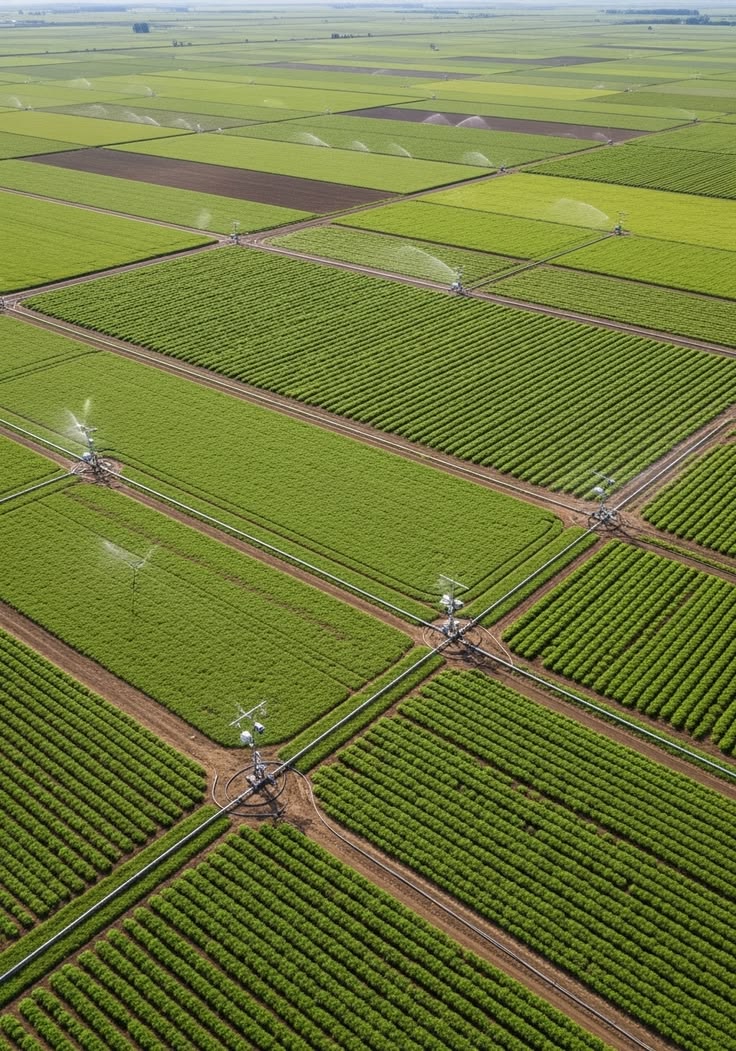
Climate-smart agriculture has become another key pillar of Ghana’s agricultural transformation. In response to irregular rainfall patterns and prolonged dry spells affecting farming activities, the government is expanding irrigation systems and promoting drought-resistant seed varieties to improve resilience and productivity.
Beyond agriculture, climate action is also being linked to economic growth and employment creation. Ghana is investing in clean energy, waste management, and sustainable agricultural projects aimed at improving livelihoods while protecting the environment. These initiatives are expected to create opportunities for young people, especially in rural communities.
The country’s economic strategy is also receiving support under International Monetary Fund policy frameworks, which include provisions for allocating one percent of the Gross Domestic Product to strategic sectors such as commercial agriculture. This is intended to strengthen macroeconomic stability while supporting long-term agricultural growth.
Ghana’s agricultural transformation demonstrates a deliberate effort to achieve self-sufficiency, industrialization, and sustainable development. Through investments in tree crops, food production, climate-smart farming, and agro-processing, the country is steadily building a more resilient and competitive agricultural economy.
Although challenges such as climate variability and production gaps remain, continued investment, innovation, and policy implementation are expected to improve productivity, create jobs, strengthen food security, and expand export potential. Ultimately, Ghana’s reforms represent a long-term vision aimed at achieving sustainable economic growth and reducing dependence on imported food products.