Investment is finally catching up with Africa's farming potential — but experts warn the old mistakes of "shipping in machines without a plan" must not be repeated.
For years, African agriculture has carried a frustrating label: enormous potential, chronically underfunded. That gap is starting to narrow, and 2026 is shaping up to be the year both money and machinery start moving at scale.
The Numbers Behind the Optimism
South Africa's farming sector delivered one of its strongest openings to a year in recent memory, with agricultural output jumping sharply in the first quarter after barely growing the quarter before.The country's agricultural gross value added expanded by 3.9 percent quarter-on-quarter in the first three months of 2026, a sharp acceleration from the barely-there 0.4 percent growth recorded the previous quarter.
Finance is responding. Standard Bank has committed billions of rand specifically to climate-smart farming — solar irrigation, water-efficient tools, and precision agriculture systems designed to help farmers cope with drought and rising input costs. Analysts note the bank is framing this as a straightforward business case rather than a sustainability box-tick: efficient, climate-resilient farming is simply becoming good commercial sense.
The bigger picture is even more striking. Africa's food market is on track to nearly triple by the end of the decade, growing from roughly $280 billion today toward close to $1 trillion by 2030. Agrifood technology is riding that wave too, with funding into the sector climbing sharply year-on-year — and more than 280 agritech startups across the continent have collectively raised over a billion dollars to help small farms modernize.
Still, analysts caution that agriculture attracts only a small slice — around 4 percent — of total investment flowing into Africa, meaning the sector remains far from saturated with capital. Risks also remain real: foot-and-mouth disease continues to disrupt livestock markets in Southern Africa, African swine fever threatens pork producers, and economists are watching input costs and a forecast El Niño drought as potential drags on the 2026–27 season.
Mechanization: From Global Talk to Africa-Led Action
Sponsored
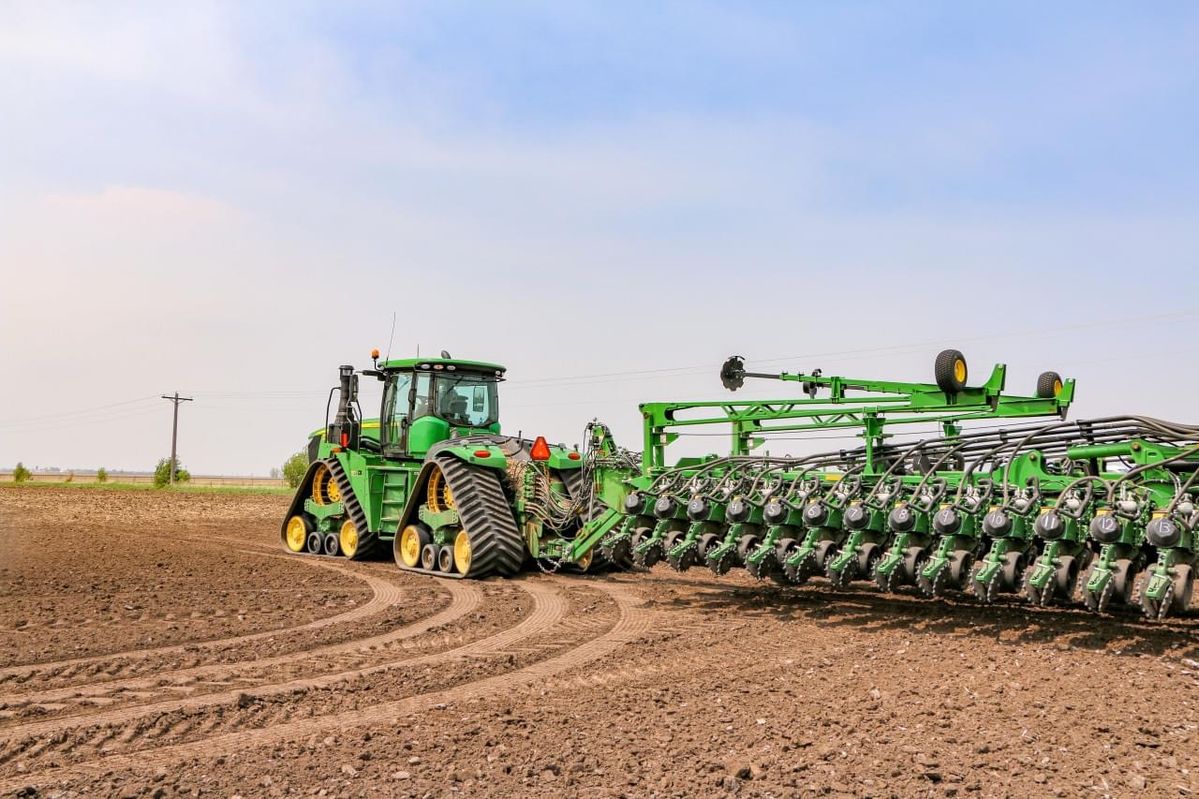
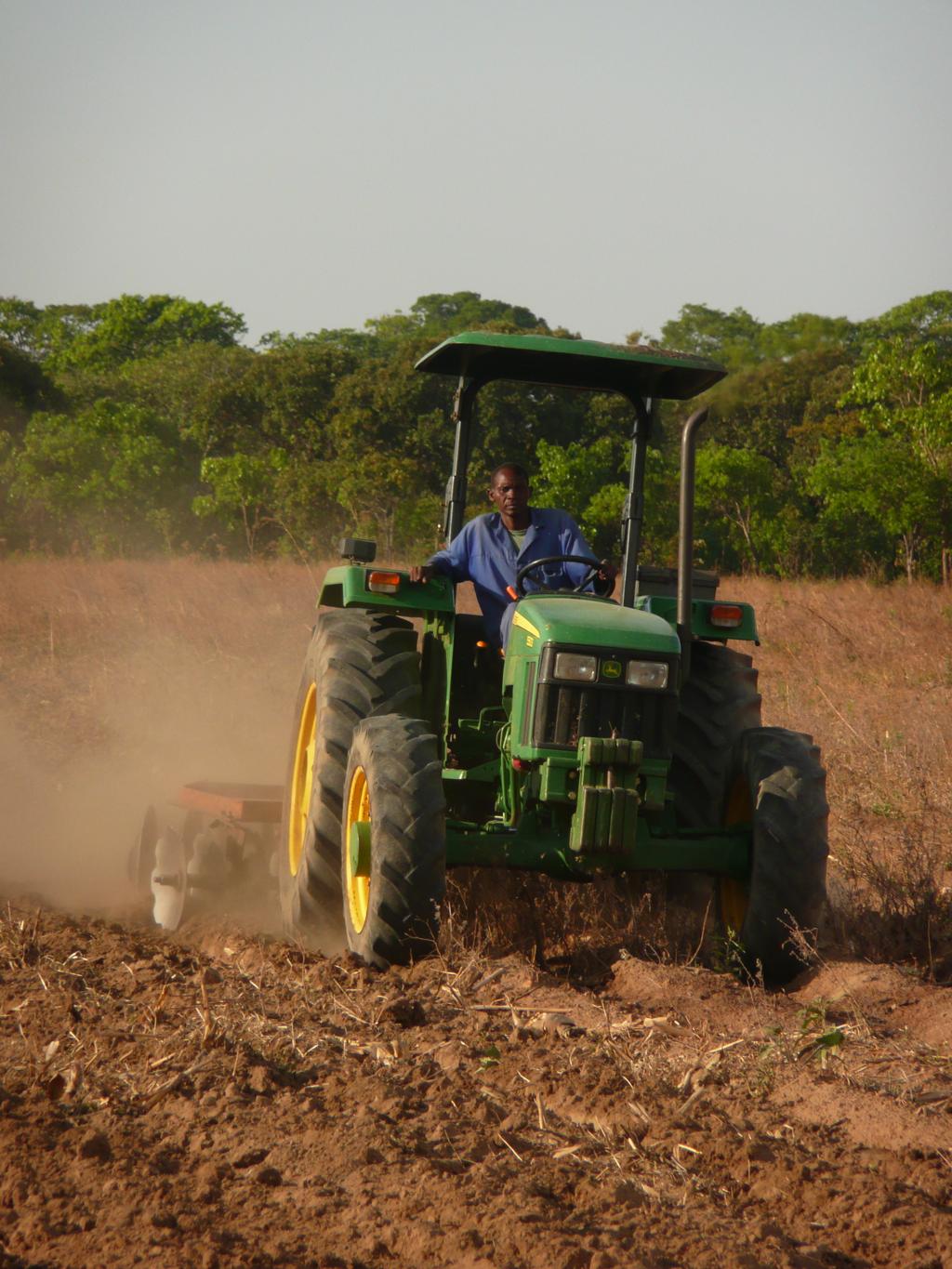
Money is only half the story. The other half is equipment — and how to get it into the right hands without repeating past failures.
Tanzania hosted a landmark continental gathering this year, the Africa Conference on Sustainable Agricultural Mechanization, where Prime Minister Mwigulu Nchemba launched the country's National Agricultural Mechanization Strategy 2026–2036. The event, organized with the FAO and the African Union, marked the first major regional mechanization gathering since a global conference in Rome back in 2023 — and speakers were blunt about why earlier efforts had underdelivered.
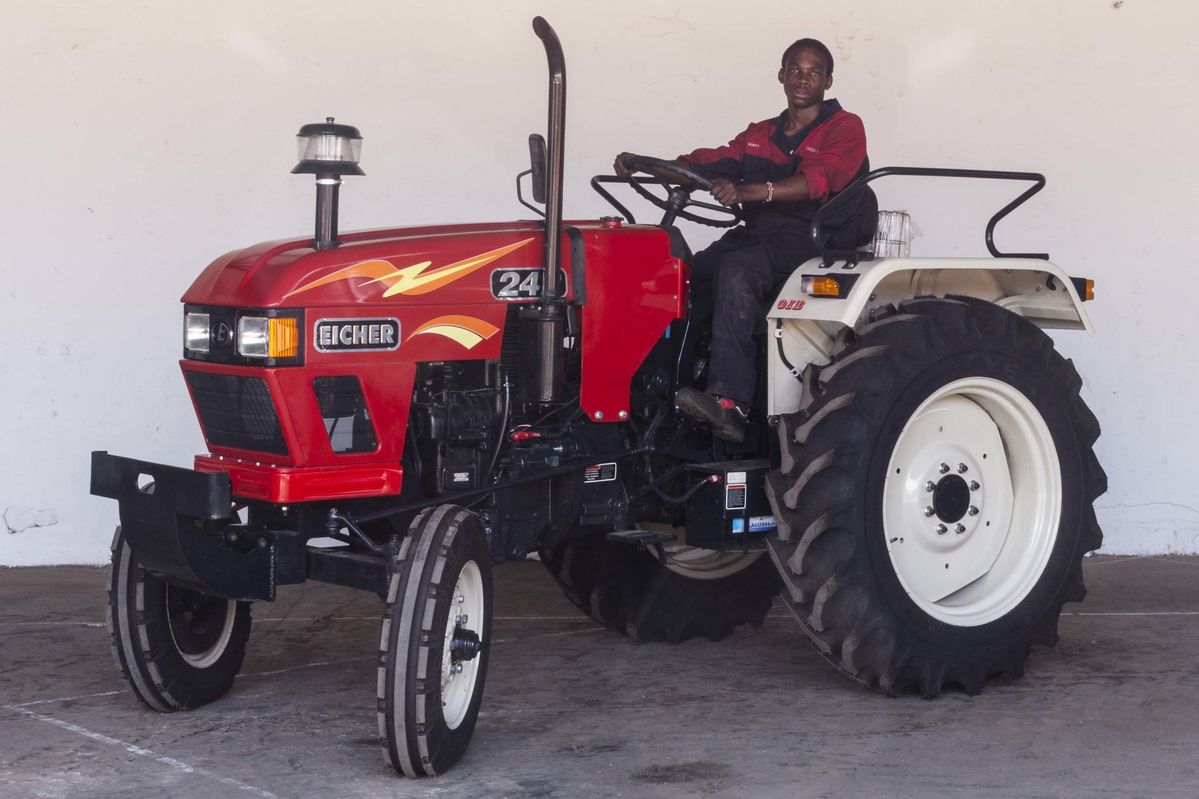
FAO officials stressed that dropping large machines into communities without financing, training, or repair networks simply leaves that equipment idle. The African Union's agriculture commissioner, Moses Vilakati, went further, describing mechanization as more than an economic project — calling it a "dignity agenda" tied to making farming attractive again to young people.
The scale of the opportunity is hard to overstate. Africa holds close to half of the world's uncultivated arable land, yet its crop yields sit at only about 56 percent of the global average. Roughly 60 percent of Africans depend on agriculture for their livelihoods, but the sector contributes only around a fifth of GDP — a gap that mechanization, better financing, and improved market access are all aimed at closing.
What It Means for Small and Commercial Farmers
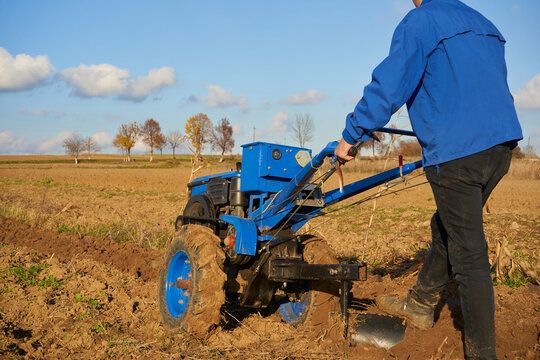
For commercial operators, the message is that climate-smart infrastructure — irrigation, precision tools, better seed varieties — is increasingly bankable, not just fundable through grants. For smallholders, the emphasis on locally adapted equipment, training, and repair networks (rather than one-off machine donations) suggests future mechanization programs may finally be designed around how African farms actually operate, not around what's easiest to ship.
Regional trade is also expected to play a growing role. As the African Continental Free Trade Area matures, intra-African agricultural trade is projected to expand significantly, giving farmers — especially those near borders — new markets that were previously hard to reach.
The coming season will be a real test: whether this wave of investment and mechanization strategy converts into yields, incomes, and resilience on the ground, or whether input cost pressures and climate shocks blunt the momentum before it takes hold.